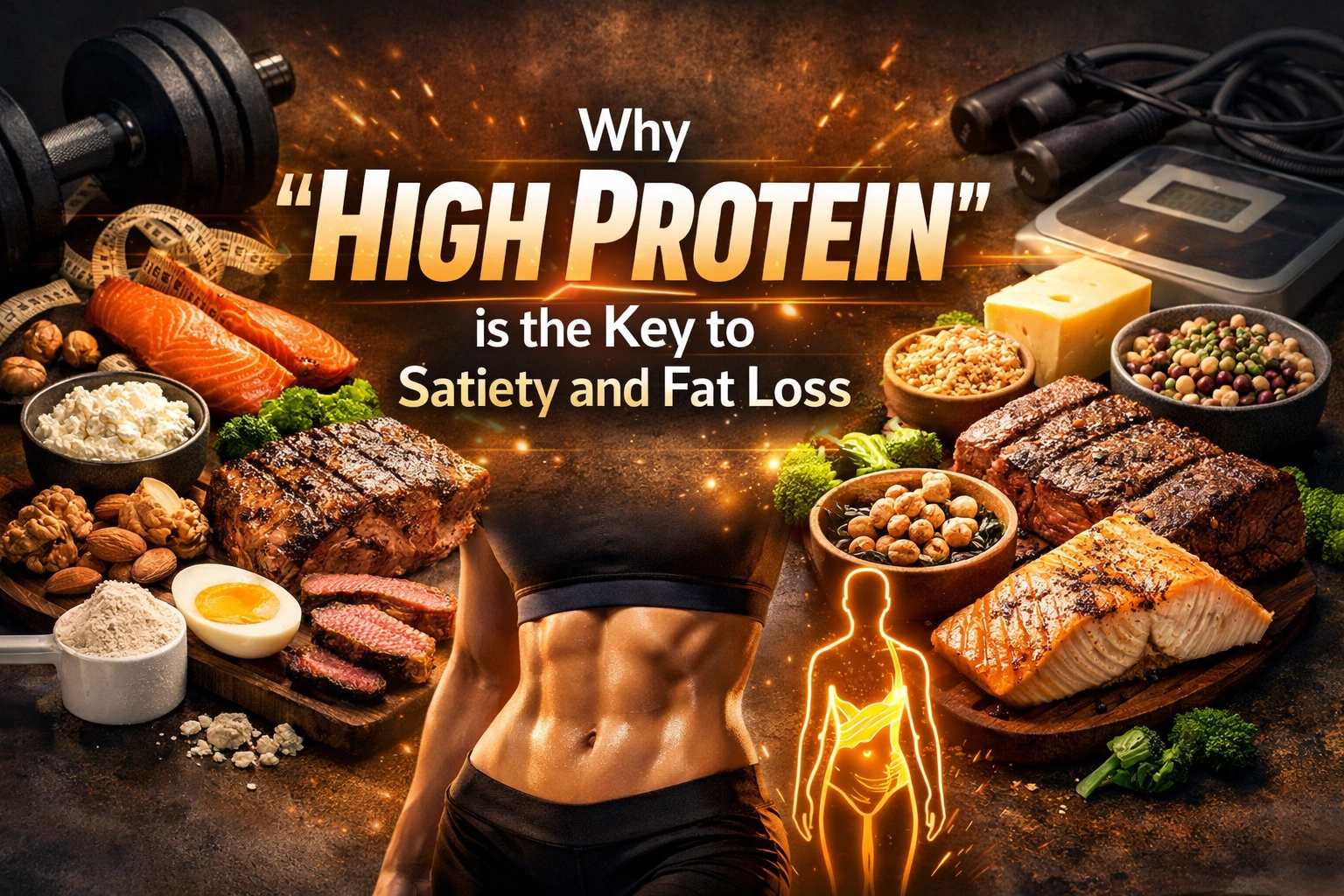
In the fitness landscape of 2026, we’ve moved past the "a calorie is just a calorie" debate. While thermodynamics still rule the roost, the source of those calories dictates whether you’ll spend your afternoon white-knuckling through hunger or feeling energized and full.
If you’ve ever wondered why a 500-calorie bowl of pasta leaves you searching the pantry an hour later, while a 500-calorie steak keeps you satisfied until dinner, you’ve experienced the "Protein Effect." Protein isn't just a building block for muscle; it is the most powerful metabolic lever we have for controlling appetite and accelerating fat loss.
This guide dives into the biological mechanisms that make protein the ultimate fat-loss tool: from hormonal signaling to the "metabolic tax" of digestion.
1. The Satiety Cascade: How Protein Talks to Your Brain
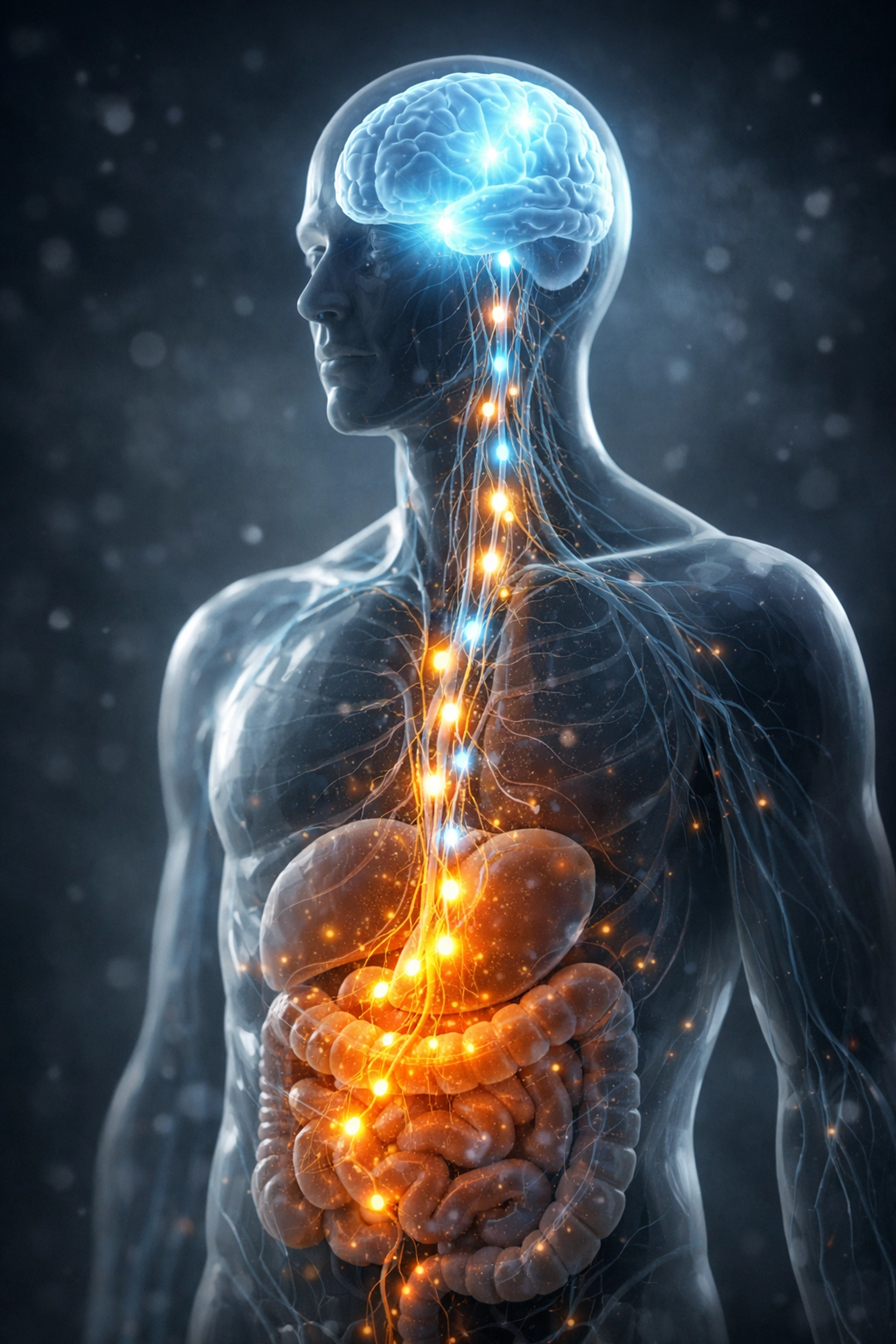
Satiety isn't just a "full stomach." It is a complex neurobiological state governed by hormones released in the gut. When you consume protein, it triggers a cascade of signals that tell your brain's hypothalamus to shut down the hunger drive.
The Key Hormones
Research consistently shows that high-protein intake modulates the three heavy hitters of appetite regulation:
- GLP-1 (Glucagon-Like Peptide-1): Protein is a potent stimulator of GLP-1. This hormone slows gastric emptying (keeping food in your stomach longer) and signals the brain that nutrients are present. This is the same pathway targeted by modern weight-loss medications, but protein triggers it naturally.
- PYY (Peptide YY): Often called the "ileal brake," PYY levels rise significantly after protein ingestion. High levels of PYY are directly correlated with reduced food intake in subsequent meals.
- CCK (Cholecystokinin): This hormone is released in the small intestine. It works in tandem with the vagus nerve to suppress hunger and stimulate the digestion of fat and protein.
The Ghrelin Suppression
While the hormones above signal fullness, Ghrelin signals hunger. It’s the "stomach growl" hormone. Protein is more effective at suppressing ghrelin over a longer period than either carbohydrates or fats. A high-protein breakfast, for instance, has been shown to keep ghrelin levels lower for up to four hours longer than a high-carb breakfast of the same caloric value.
2. The Metabolic Tax: The Thermic Effect of Food (TEF)
Every time you eat, your body has to spend energy to break that food down, absorb it, and process the nutrients. This is known as the Thermic Effect of Food (TEF). Think of it as a "handling fee" or a metabolic tax.
Not all macronutrients are taxed equally. Protein has a massive lead in this department:
| Macronutrient | TEF Percentage | Energy "Lost" During Digestion |
|---|---|---|
| Protein | 20% – 30% | For every 100 calories, you only "keep" 70-80. |
| Carbohydrates | 5% – 10% | For every 100 calories, you "keep" 90-95. |
| Fats | 0% – 3% | For every 100 calories, you "keep" 97-100. |
By simply shifting your macronutrient ratio toward protein, you are effectively increasing your Total Daily Energy Expenditure (TDEE) without moving an extra inch. If you eat 2,000 calories a day and 40% comes from protein, you could be burning an extra 150–200 calories daily just through the act of digestion.
3. The Protein Leverage Hypothesis
A compelling theory in modern nutritional science is the Protein Leverage Hypothesis. It suggests that the human body has a prioritized "appetite" for protein.
Essentially, your body will continue to signal hunger and drive you to eat until you have met your specific protein requirement for the day. If you eat low-protein, ultra-processed foods, you are forced to over-consume total calories (in the form of fats and carbs) just to reach that protein threshold.
Example: If your body needs 120g of protein to function and you eat a diet that is only 10% protein, you’ll have to consume 4,800 calories to get it. If your diet is 30% protein, you reach that goal in just 1,600 calories.
This explains why people on high-protein diets often report "accidental" weight loss: they naturally stop eating once their protein needs are met.
4. Guarding the "Longevity Currency": Muscle Mass
The biggest danger during fat loss isn't just "not losing weight": it’s losing the wrong kind of weight. When you are in a calorie deficit, your body looks for energy sources. If protein intake is low, the body will undergo gluconeogenesis, breaking down your hard-earned muscle tissue to create glucose for the brain.
Maintaining muscle mass is critical for two reasons:
- Basal Metabolic Rate (BMR): Muscle is metabolically expensive. It burns calories even while you sleep. Losing muscle slows down your metabolism, making future weight maintenance harder (the "yo-yo" effect).
- Skeletal Health: As we discuss in our 2026 longevity guides, muscle is the "body armor" that protects your bones and metabolic health as you age.
High protein intake (specifically 1.6g to 2.2g per kilogram of body weight) provides enough exogenous amino acids that the body doesn't need to tap into its own muscle stores for fuel.
5. The Aminostatic Hypothesis: Brain Signaling
The brain doesn't just monitor hormones; it monitors the concentration of amino acids in the blood. This is known as the Aminostatic Hypothesis.
The brain's subfornical organ and the hypothalamus have sensors that detect rising levels of amino acids like Leucine, Valine, and Isoleucine (BCAAs). When these levels rise, the brain interprets it as a sign of "nutritional abundance" and downregulates the "search for food" drive.
Furthermore, amino acids are precursors to neurotransmitters:
- Tryptophan leads to Serotonin (the "well-being" and satiety chemical).
- Tyrosine leads to Dopamine and Norepinephrine (focus and drive).
A high-protein diet keeps these neurotransmitters stable, preventing the "hangry" irritability often associated with low-calorie dieting.

6. 2026 Protein Optimization: Quality and Timing
To truly leverage protein for fat loss, it isn't just about total grams; it's about how you distribute them.
The Leucine Threshold
To trigger Muscle Protein Synthesis (MPS) and the subsequent satiety signals, you generally need to hit a "Leucine Threshold" of about 2.5g to 3g of Leucine per meal. This usually equates to roughly 30-40g of high-quality animal protein or 40-50g of plant protein.
Protein Pacing
Instead of the traditional "small breakfast, massive dinner" routine, 2026's gold standard is Protein Pacing. This involves consuming 30-50g of protein every 3-4 hours.
- Why? It keeps the satiety hormones (GLP-1 and PYY) elevated throughout the entire day rather than just in the evening.
Bioavailability Matters
Not all protein is created equal. The DIAAS (Digestible Indispensable Amino Acid Score) is the modern metric for quality.
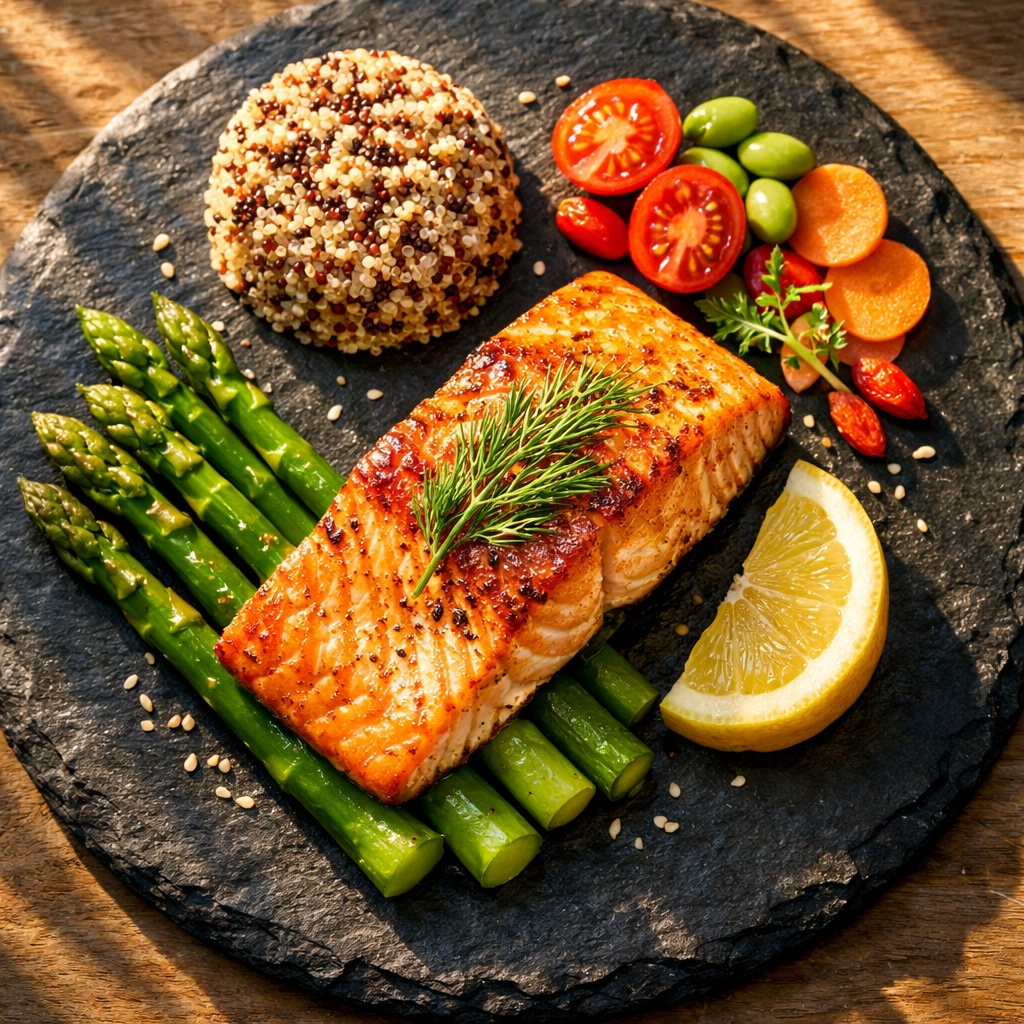
- Top Tier: Whey isolate, eggs, beef, Greek yogurt, and soy protein isolate.
- Middle Tier: Quinoa, beans, and nuts (require higher volumes to hit the leucine threshold).

7. Practical Implementation: Your Fat Loss Blueprint
If you want to use protein to dominate your fat-loss goals, follow these structured steps:
- Calculate Your Target: Aim for 1 gram of protein per pound of ideal body weight (or 2.2g per kg).
- Prioritize the First Meal: Break your fast with at least 40g of protein. This sets the hormonal tone for the rest of the day and prevents evening binging.
- The "Protein First" Rule: At every meal, eat your protein source before your carbohydrates. This slows the glucose response and ensures you don't run out of "stomach room" before hitting your protein goal.
- Supplement Wisely: Use high-quality Whey or Casein powders if you struggle to hit your targets through whole foods, especially post-workout.
Summary: The High-Protein Advantage
Protein is the ultimate "bio-hack" for fat loss because it works with your biology, not against it. By increasing satiety, boosting metabolic rate through TEF, and protecting muscle mass, it turns the grueling process of weight loss into a manageable: and even empowering: lifestyle shift.
In an era where metabolic health is our greatest asset, protein isn't just a nutrient; it's a strategic tool for a leaner, stronger, and more satisfied life.
Author Bio: Malibongwe Gcwabaza
Malibongwe Gcwabaza is the CEO of blog and youtube and a leading voice in the 2026 health and wellness movement. With over a decade of experience in performance nutrition and metabolic health, Malibongwe focuses on bridging the gap between complex clinical research and practical, everyday wellness strategies. His "Depth over Breadth" approach has helped thousands of readers move beyond fad diets to achieve sustainable, data-driven body transformations. When he’s not analyzing the latest in longevity science, you can find him in the "Centenarian Decathlon" training zone or exploring the intersection of AI and personalized nutrition.
About the Author