By 2026, the conversation around brain health has shifted from "preventing decline" to "optimizing performance." We are no longer just looking to avoid brain fog; we are looking to expand our cognitive reserve: the brain's resilience to damage and its ability to function at a high level despite the stressors of modern life.
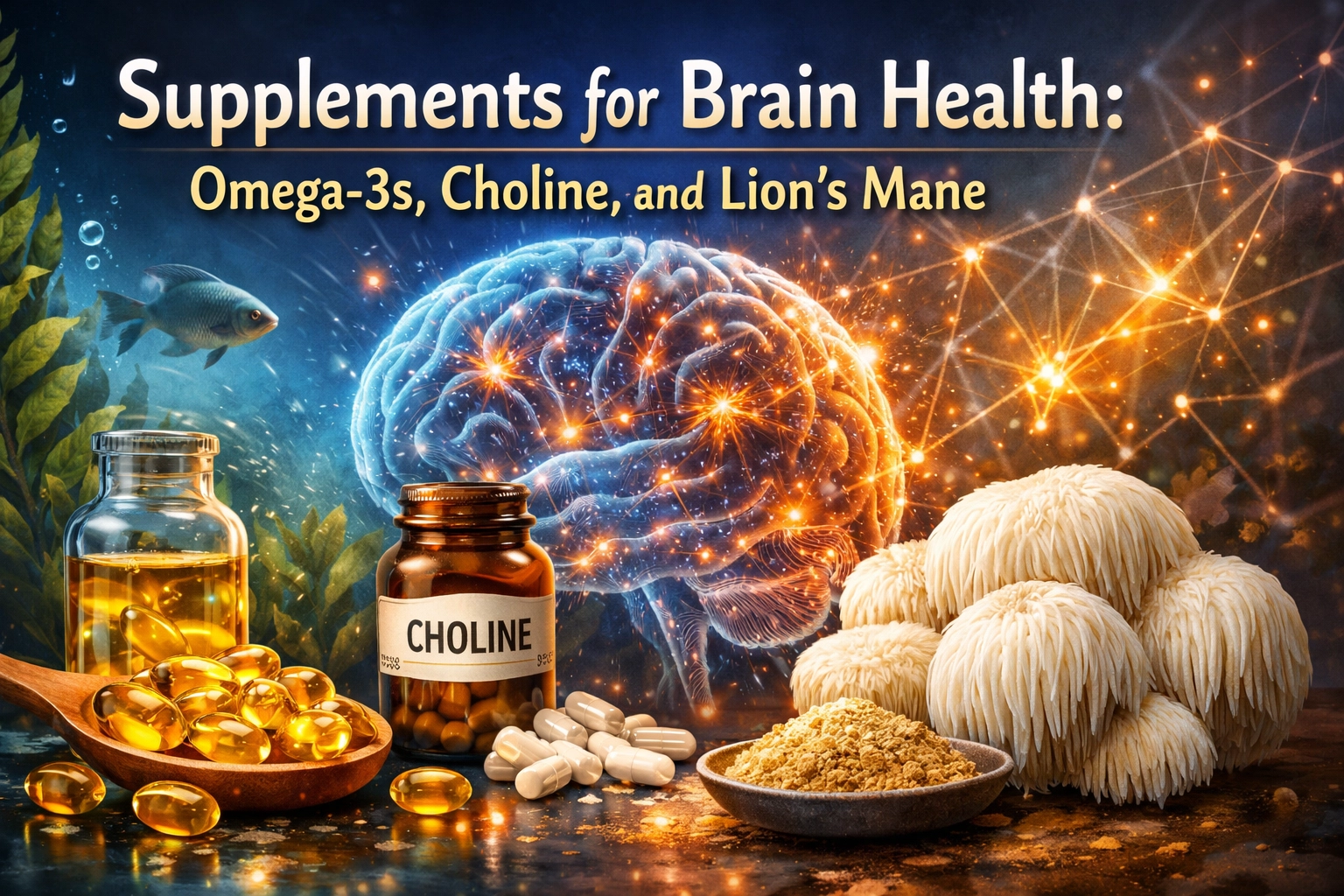
While sleep, exercise, and metabolic health remain the bedrock of neurology, specific micronutrients and compounds provide the raw materials necessary for structural integrity and chemical signaling. In this deep dive, we explore the "Big Three" of cognitive enhancement: Omega-3 fatty acids, Choline, and Lion’s Mane mushroom. These aren't just trending supplements; they represent three distinct pathways to a better-functioning brain: structural support, neurotransmitter efficiency, and neurogenesis.
1. Omega-3 Fatty Acids: The Structural Foundation
If your brain were a house, Omega-3 fatty acids would be the bricks and mortar. Approximately 60% of the human brain is composed of fat, and a significant portion of that is Docosahexaenoic Acid (DHA).
The DHA vs. EPA Distinction
When choosing an Omega-3 supplement, the ratio of EPA (Eicosapentaenoic Acid) to DHA is critical.
- DHA is primarily structural. It resides in the cell membranes of neurons, ensuring they remain fluid and capable of transmitting signals. High DHA levels are linked to increased gray matter volume.
- EPA is primarily functional and anti-inflammatory. It helps regulate the "fire" in the brain, reducing neuroinflammation that can lead to depression and cognitive fatigue.
Data-Driven Insights: Hippocampal Volume
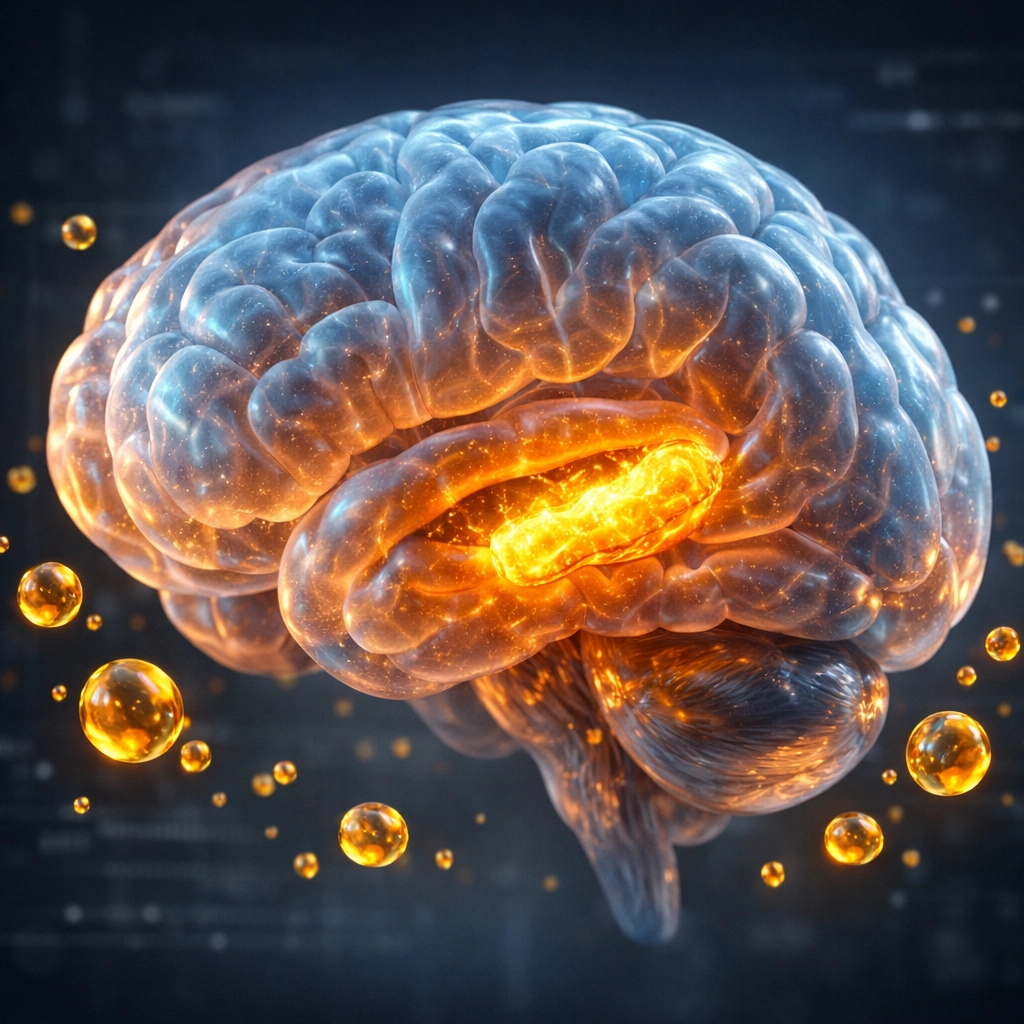
Recent 2025 and 2026 longitudinal studies have solidified the link between the "Omega-3 Index" (a measure of EPA and DHA in red blood cells) and brain aging. Research involving over 2,000 middle-aged participants showed that those with higher Omega-3 levels possessed a 2.7% larger hippocampus: the region of the brain responsible for memory formation and emotional regulation. In practical terms, this can equate to "de-aging" the brain by nearly a decade.
2026 Optimization Protocols
To move beyond generic health and into high-performance territory, the standard "one pill a day" is often insufficient.
- Target Dosage: Aim for 2,000mg to 3,000mg of combined EPA/DHA daily.
- The Phospholipid Form: Look for krill oil or specialized "rTG" (re-esterified triglyceride) fish oils. These forms are more bioavailable, meaning more of the fat actually crosses the blood-brain barrier.
- Purity Testing: Given the 2026 concerns regarding microplastics and heavy metals, ensure your supplement is third-party certified (IFOS) for purity.
2. Choline: The Neurotransmitter Powerhouse
If Omega-3s are the bricks, Choline is the electricity running through the wires. Choline is an essential nutrient that serves as the precursor to Acetylcholine, the primary neurotransmitter involved in focus, learning, and muscle contraction.
Why You’re Likely Deficient
Despite its importance, over 90% of adults do not meet the recommended intake for choline. While eggs and beef liver are rich sources, the modern diet rarely provides enough to reach "supraphysiological" levels required for peak cognitive performance.
The Different Faces of Choline Supplements
Not all choline is created equal. For brain health, you need forms that efficiently cross the blood-brain barrier:
- Alpha-GPC: Highly effective for increasing acute focus and even physical power output. It is a favorite among hybrid athletes for the mind-muscle connection.
- CDP-Choline (Citicoline): This is the "longevity" version of choline. It provides both choline and cytidine (which converts to uridine), supporting the repair of neuronal membranes and improving long-term memory.
- Choline Bitartrate: Often found in cheap multivitamins, this form has poor brain penetration and is generally considered a waste of resources for cognitive goals.
Synergy: The "Racetam" and Choline Connection
In the biohacking community, choline is often used as a "co-factor." When using any compounds that increase brain activity (like caffeine or synthetic nootropics), the brain burns through acetylcholine faster. Supplementing with 300mg–600mg of Alpha-GPC prevents the "choline headache" often associated with high-intensity mental work.
3. Lion’s Mane: The Biological Architect
Lion’s Mane (Hericium erinaceus) is a medicinal mushroom that has moved from ancient TCM (Traditional Chinese Medicine) into the forefront of regenerative neurology. It is unique because it doesn't just help the brain work better; it helps it grow.
NGF and Neuroplasticity
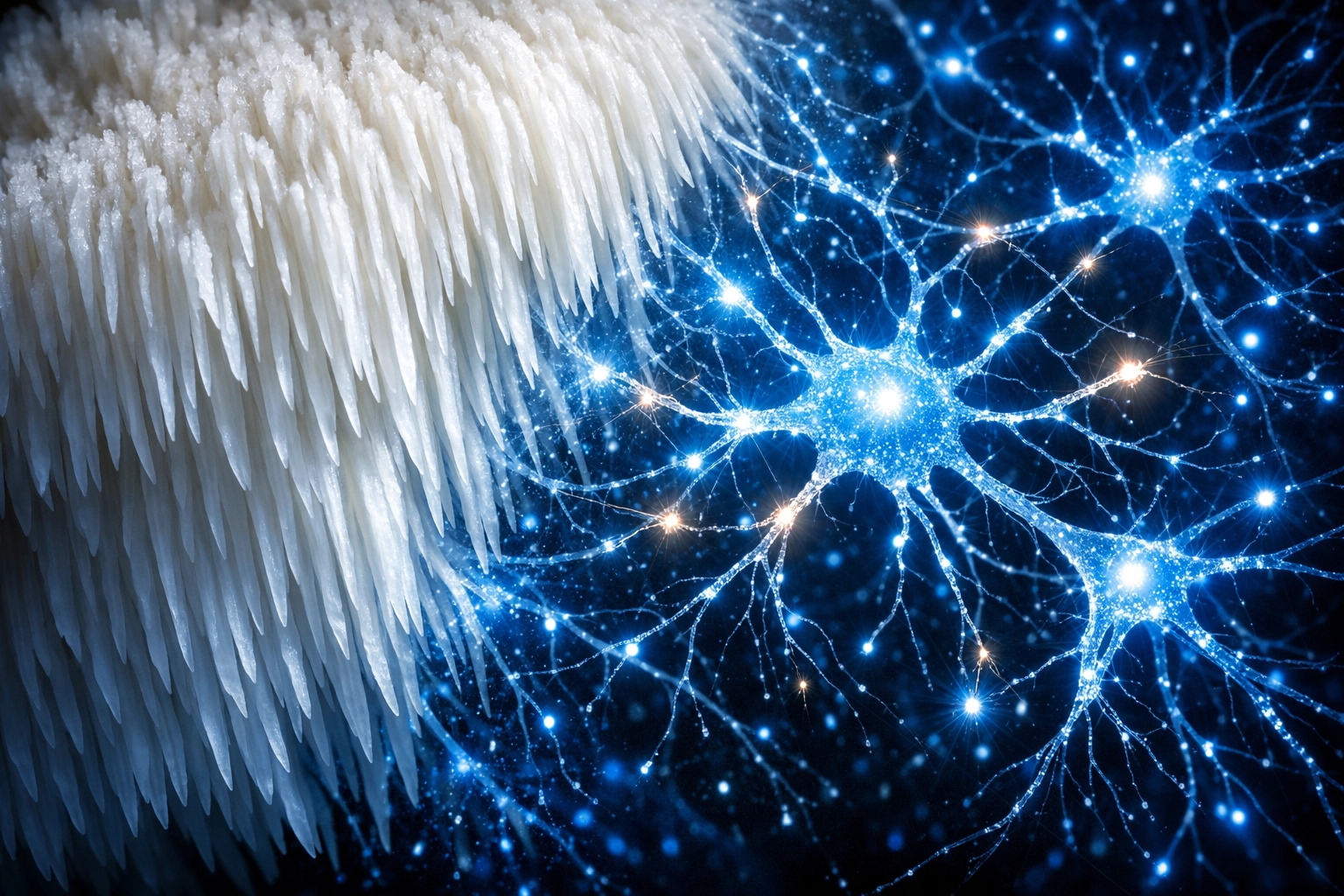
The "magic" of Lion’s Mane lies in two classes of compounds: hericenones and erinacines. These compounds stimulate the production of Nerve Growth Factor (NGF).
- What is NGF? It is a protein that plays a vital role in the maintenance, survival, and regeneration of neurons.
- Myelination: Lion’s Mane has shown potential in supporting the myelin sheath: the protective coating around nerves that allows for fast signal transmission.
The 2026 Perspective: Recovery from Burnout
In 2026, Lion’s Mane is increasingly used as a tool for recovery from "digital burnout." By promoting neurogenesis (the birth of new neurons) in the dentate gyrus of the hippocampus, it helps the brain rewire itself after periods of high stress or chronic cortisol exposure.
How to Source Quality Lion's Mane
The supplement market is flooded with low-quality mushroom products. For results, you must look for:
- Dual Extraction: The beneficial compounds are both water-soluble and alcohol-soluble. A "dual-extract" ensures you get both.
- Fruiting Body vs. Mycelium: Ensure the label specifies "fruiting body." Many cheap brands use "mycelium on grain," which is mostly starch filler and lacks the high concentration of erinacines found in the actual mushroom.
Comparative Analysis: The Big Three
| Supplement | Primary Mechanism | Best For | Typical Daily Dose |
|---|---|---|---|
| Omega-3 (DHA/EPA) | Structural Integrity | Long-term brain volume & Anti-inflammation | 2,000mg – 3,000mg |
| Choline (Alpha-GPC) | Acetylcholine Synthesis | Immediate focus & Memory recall | 300mg – 600mg |
| Lion’s Mane | NGF Stimulation | Neurogenesis & Nerve repair | 500mg – 1,000mg (Extract) |
Stacking for Success: The 2026 "Limitless" Protocol
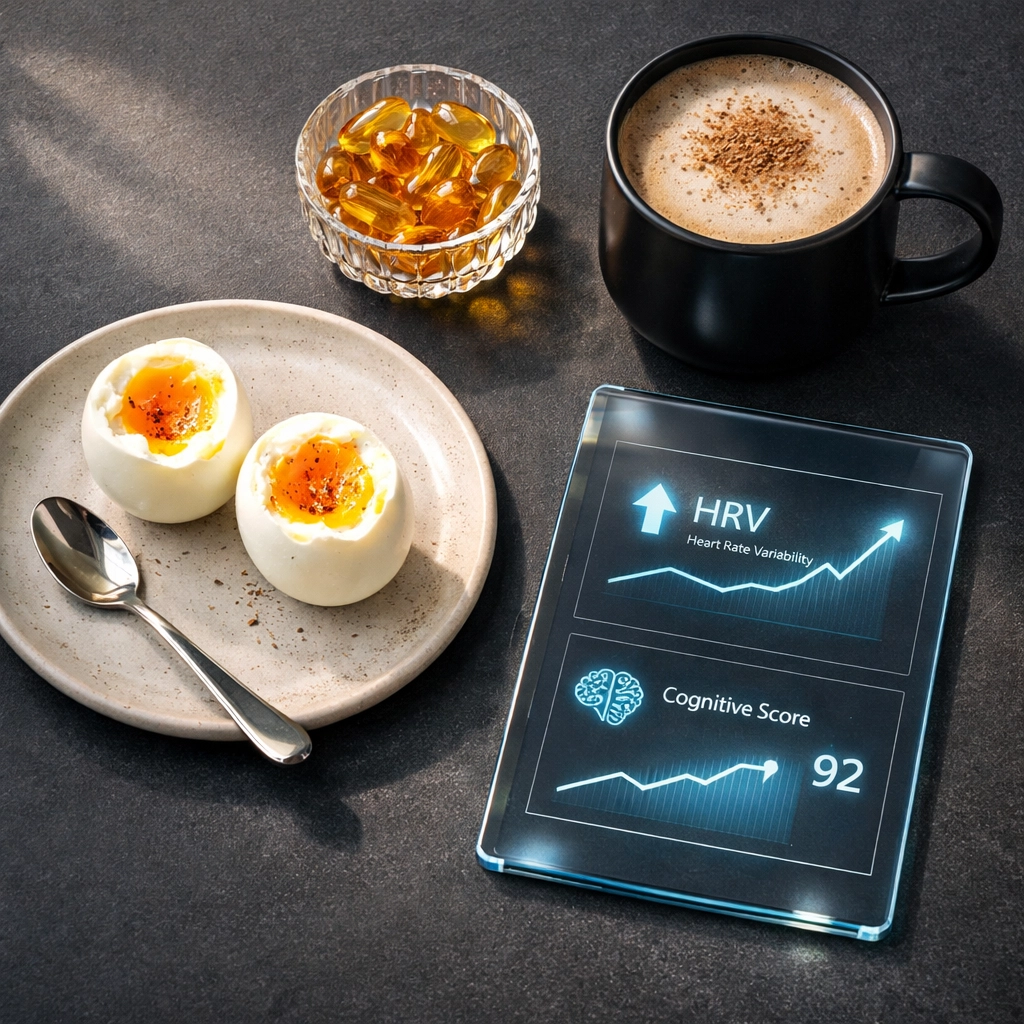
While each of these supplements is powerful in isolation, they work synergistically. The goal of a "stack" is to cover all bases: structure, signaling, and growth.
The Morning Cognitive Stack:
- Omega-3s (rTG form): Take with breakfast (fat is required for absorption).
- Alpha-GPC: Take 30 minutes before your most demanding deep-work session.
- Lion’s Mane: Can be taken as a powder in coffee or a capsule. It has a cumulative effect, so consistency over 30 days is key.
Safety and Considerations
As with any high-intervention protocol, there are caveats:
- Blood Thinning: High doses of Omega-3s can have a mild blood-thinning effect. Consult a doctor if you are on medication.
- Choline Sensitivity: Some individuals (approx. 10%) can experience depressive symptoms or "brain fog" if they take too much choline. Start with a low dose (150mg).
- Quality Control: In the 2026 market, "bio-identical" and "lab-grown" variations are appearing. Stick to brands that provide COAs (Certificates of Analysis) for every batch.
The Bottom Line
Optimizing your brain in 2026 requires a shift from "magic pills" to "biochemical foundations." By combining the structural benefits of Omega-3s, the signaling power of Choline, and the regenerative potential of Lion’s Mane, you aren't just boosting your IQ for the day: you are building a more resilient, faster, and healthier brain for the decades to come.
The "Centenarian Decathlon" isn't just about how much you can lift at 100; it's about whether your brain is sharp enough to enjoy the life you’ve built. Start building that foundation today.
About the Author: Malibongwe Gcwabaza
Malibongwe Gcwabaza is the CEO of blog and youtube and a leading voice in the 2026 longevity and biohacking movement. With a background in performance optimization and a passion for data-driven wellness, Malibongwe focuses on translating complex neurobiology into actionable strategies for high-performers and fitness enthusiasts. When not researching the latest in cellular repair, he can be found testing "Zone 2" protocols or exploring the intersection of AI and personalized nutrition.
About the Author