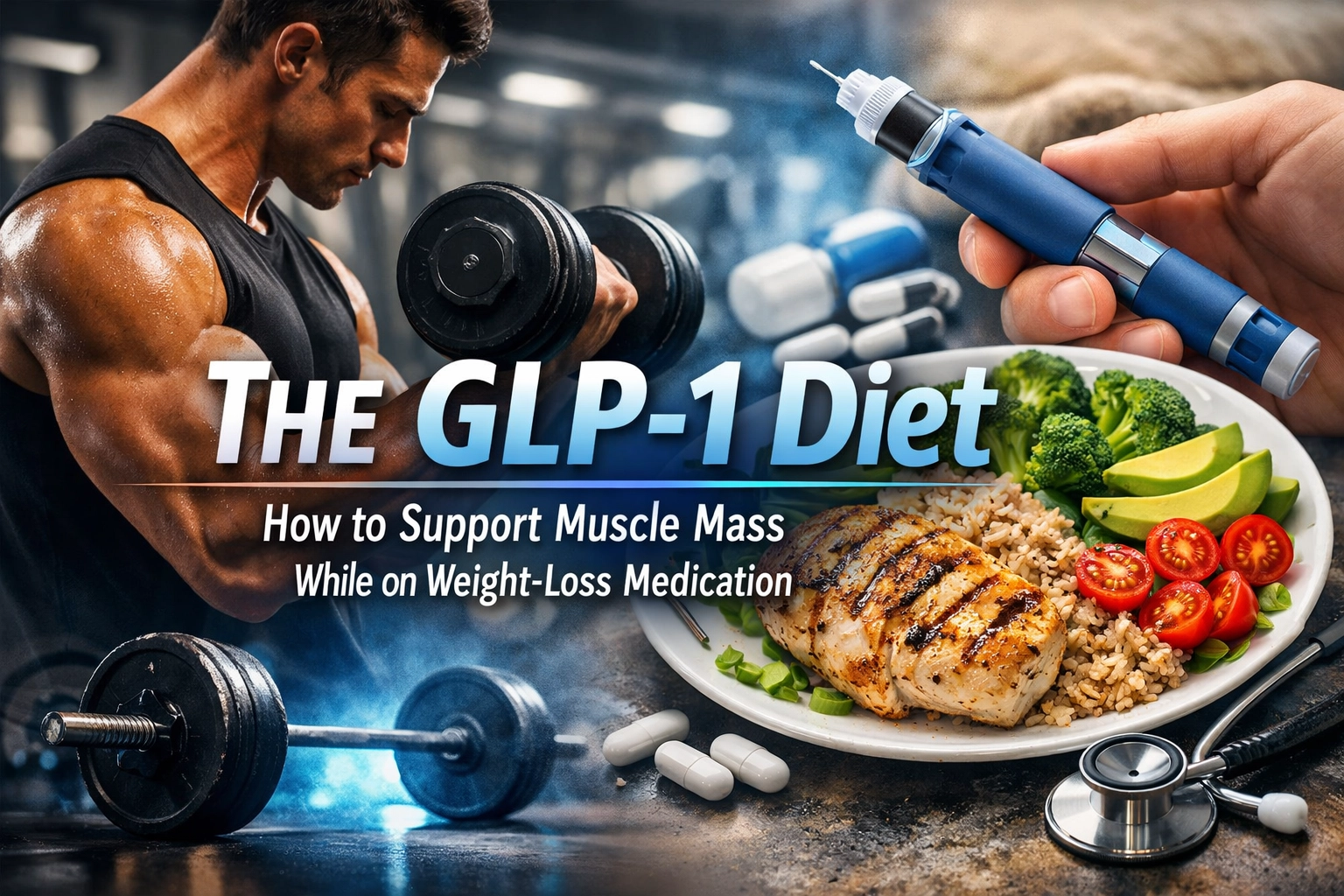
The rise of GLP-1 receptor agonists: medications like semaglutide and tirzepatide: has fundamentally changed the landscape of metabolic health. By 2026, these drugs have moved beyond "celebrity secrets" to mainstream tools for managing obesity and Type 2 diabetes. However, a significant clinical shadow has emerged: the "skinny fat" phenomenon.
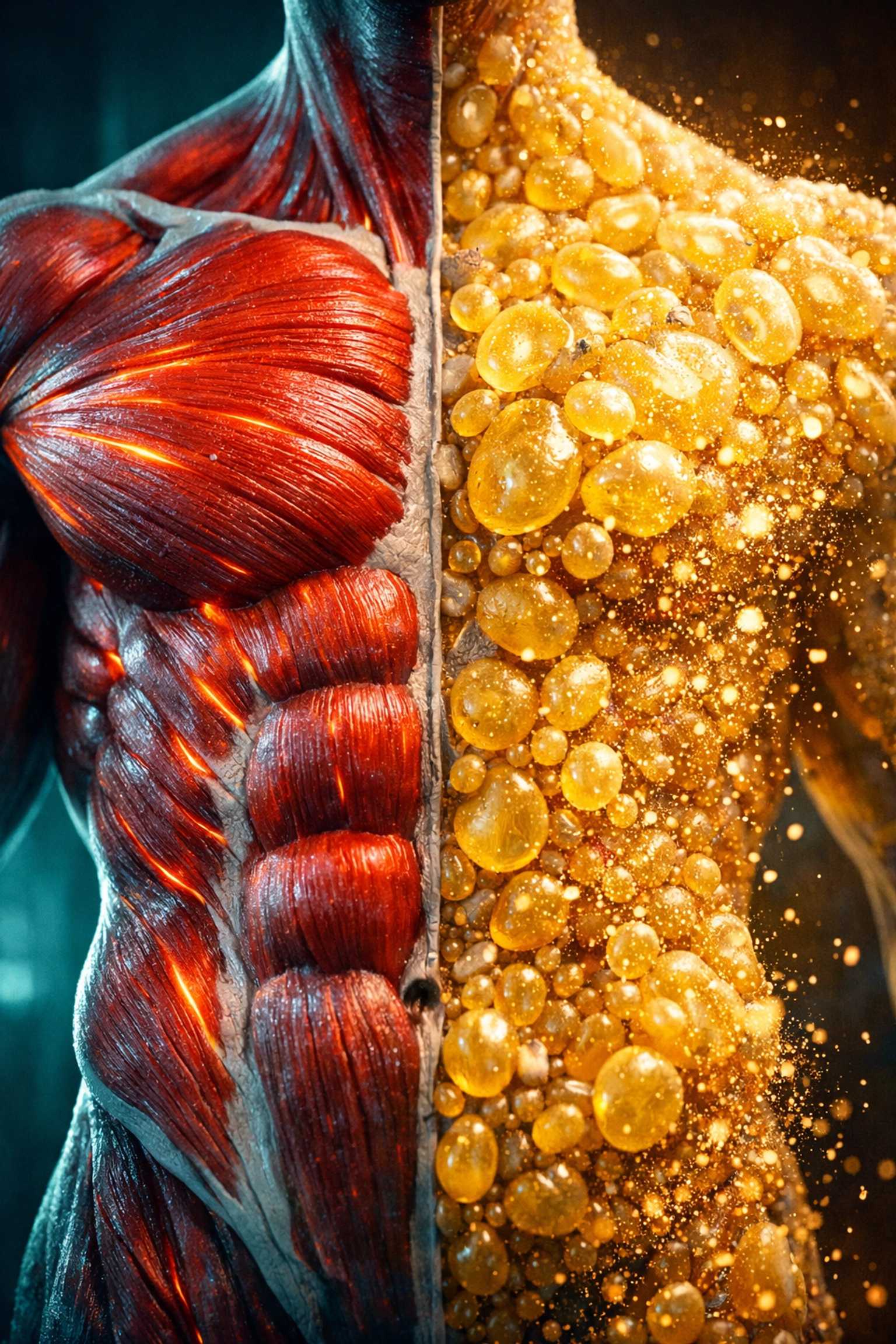
Data from early clinical trials and real-world observations over the last few years show that when people lose weight rapidly on these medications, a staggering 15% to 60% of that weight loss can come from lean body mass (muscle) rather than fat. Losing muscle isn't just an aesthetic issue; it’s a metabolic disaster. Muscle is your primary engine for glucose disposal, your armor against frailty, and the key to maintaining your basal metabolic rate (BMR).
If you are using GLP-1 medications, you aren't just on a weight-loss journey; you are in a race to preserve your metabolic machinery. This guide breaks down the "GLP-1 Diet" protocol to ensure the weight you lose is the weight you actually want to get rid of.
The Biology of Muscle Loss on GLP-1s
To solve the problem, we have to understand why it happens. GLP-1 medications work primarily by slowing gastric emptying and signaling the brain to feel full. This leads to a massive spontaneous reduction in caloric intake.
When the body is in a deep caloric deficit, it looks for energy. While we want it to tap into adipose tissue (fat), the body is biologically wired to preserve fat for long-term survival. Muscle tissue, which is metabolically "expensive" to maintain, is often the first thing the body sacrifices.
Furthermore, when blood glucose drops and you aren't consuming enough carbohydrates or protein, the liver initiates gluconeogenesis. It essentially harvests amino acids from your muscles to create the glucose your brain needs to function. This "glucose-alanine cycle" is the primary culprit behind the rapid muscle wasting seen in unmanaged GLP-1 users.
Pillar 1: The Protein-Sparing Strategy
The most effective way to stop the body from "eating" its own muscle is to provide a constant supply of exogenous amino acids. In 2026, the consensus among metabolic specialists is that the standard RDA for protein is woefully inadequate for anyone on a GLP-1.
How Much Protein Do You Really Need?
You should aim for 1.6 to 2.2 grams of protein per kilogram of goal body weight.
For example, if your target weight is 70kg (154 lbs), you should be consuming between 112g and 154g of protein daily. Because GLP-1s cause early satiety (feeling full quickly), hitting these numbers requires a strategic approach.
| Protein Source | Protein per 100g | Calories (Approx) | Why it works for GLP-1 users |
|---|---|---|---|
| Chicken Breast | 31g | 165 | Lean, high leucine content for muscle synthesis. |
| Liquid Egg Whites | 11g | 50 | Low volume, easy to add to shakes without feeling full. |
| Whey Protein Isolate | 80-90g | 360 | Fast digesting; bypasses the "heavy" feeling of meat. |
| Greek Yogurt (0%) | 10g | 59 | Probiotics support gut health (often disrupted by meds). |
| Tempeh | 19g | 190 | High fiber to combat GLP-1 induced constipation. |
The "Protein First" Rule
Because your stomach capacity is limited, you must eat your protein first at every meal. If you fill up on salad or starches, you will lack the room for the amino acids required to repair tissue.
Pillar 2: Resistance Training as a Mandatory "Side Effect"
If you are on a GLP-1 and you aren't lifting weights, you are effectively choosing to become a smaller, weaker version of yourself. Resistance training provides the mechanical tension necessary to signal to the body that muscle tissue is "essential."
Research indicates that combining a high-protein diet with consistent resistance exercise offers the greatest protection against lean mass loss. Physical activity also creates a synergistic feedback loop: contracting muscles release "myokines," which can actually improve the body's natural sensitivity to the GLP-1 hormone.
The GLP-1 Training Blueprint:
- Frequency: 3–4 days per week of dedicated strength training.
- Intensity: Focus on compound movements (squats, deadlifts, presses, rows) that recruit multiple muscle groups.
- Volume: Aim for 2–3 sets of 8–12 repetitions, ensuring you are within 1–2 reps of "failure."
- Avoid Excessive Cardio: While walking is great for health, excessive high-intensity steady-state cardio can worsen the caloric deficit and contribute to further muscle catabolism.

Pillar 3: Managing the "Anorectic" Effect
The hardest part of the GLP-1 diet is that you often don't want to eat. Nausea and a complete lack of appetite can make a 150g protein goal feel like an impossible mountain.
Strategies for High-Volume Nutrition in a Low-Volume Stomach:
- Liquid Nutrition: Shakes are your best friend. A high-quality whey isolate or collagen-and-whey blend can provide 40g of protein in a few sips.
- Amino Acid Supplementation: Supplementing with Essential Amino Acids (EAAs) between meals can help maintain the blood amino acid pool without adding bulk to the stomach.
- Micronutrient Density: Because you are eating less food total, the quality of that food must be higher. Focus on "powerhouses" like sardines, liver (if you can stomach it), eggs, and dark leafy greens to avoid the common GLP-1 side effects of hair loss and brittle nails (often caused by zinc and ferritin deficiencies).
Pillar 4: The Role of Carbohydrates and Ketosis
There is an emerging 2026 perspective on using mild ketosis alongside GLP-1 medications. When the body is in a state of ketosis, the brain uses ketones for fuel instead of glucose. This reduces the liver's need to harvest muscle tissue for gluconeogenesis.
However, total carbohydrate elimination can make high-intensity lifting difficult. A "Targeted Ketogenic" or "Low-Carb, High-Protein" approach is often the sweet spot. By keeping carbohydrates low (under 50-75g) but protein very high, you shield the muscle while maximizing fat oxidation.

Micronutrients and Gut Health: The GLP-1 Support Kit
Weight-loss medications slow down the entire digestive tract. This can lead to the two most common complaints: constipation and "sulfur burps."
- Fiber is Non-Negotiable: Aim for 25-30g of fiber. Since you can't eat large amounts of beans or broccoli, consider a psyllium husk supplement.
- Electrolytes: Rapid weight loss leads to a significant loss of water and sodium. If you feel dizzy or have "brain fog," it’s likely an electrolyte imbalance, not just the medication.
- Digestive Enzymes: Because food sits in the stomach longer, supplemental enzymes can help break down proteins more efficiently, reducing the feeling of "heaviness" and bloating.
Tracking Progress: Beyond the Scale
When you are on a GLP-1, the scale is a liar. It cannot tell you if you lost 5 lbs of fat or 5 lbs of heart and skeletal muscle.
To ensure your diet is working, you must use more sophisticated metrics:
- DXA Scans: Get a baseline scan and follow up every 3 months to monitor Lean Body Mass (LBM).
- Grip Strength: A simple dynamometer test is a fantastic proxy for overall muscle health. If your weight is going down but your grip strength is plummeting, you are losing too much muscle.
- Strength PRs: If you can no longer lift the weights you could a month ago, your caloric deficit is too steep, or your protein intake is too low.
Summary: The GLP-1 Success Checklist
To succeed on weight-loss medication without destroying your metabolism for the future, follow this protocol:
- Prioritize Protein: Eat 1.6g-2.2g per kg of body weight daily.
- Lift Heavy: Resistance train at least 3 times a week.
- Eat Protein First: Don't fill up on low-calorie "filler" foods.
- Supplement Wisely: Use Whey Isolate, Creatine, and EAAs to hit targets.
- Monitor Quality: Use DXA scans to ensure the weight loss is fat-centric.
Weight-loss medications are a powerful tool, but they are not a substitute for the fundamental principles of human physiology. By supporting your muscle mass today, you ensure that when you eventually reach your goal weight, you have a healthy, functioning metabolism to maintain it for the rest of your life.
About the Author: Malibongwe Gcwabaza
Malibongwe Gcwabaza is the CEO of blog and youtube, a premier digital hub dedicated to dissecting the intersection of technology, health, and longevity. With a background in strategic leadership and a passion for data-driven wellness, Malibongwe focuses on making complex medical and fitness trends accessible to the modern professional. His "Deep Dive" series has become a cornerstone for readers looking to optimize their biological potential in the 2026 health landscape.
About the Author