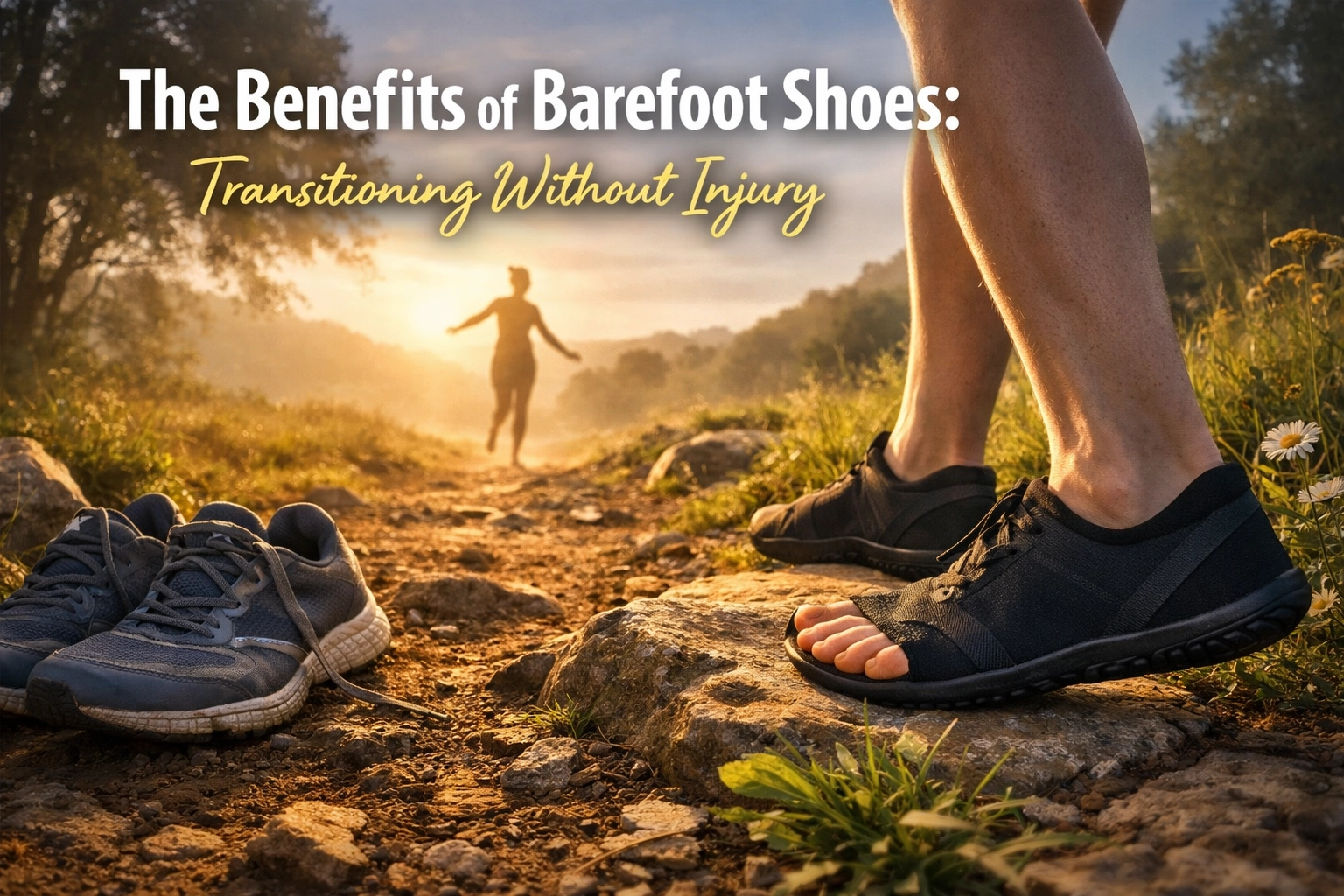
For decades, the footwear industry has operated on a "more is more" philosophy. More cushioning, more arch support, and more "energy return" foam. But as we move into 2026, the data is becoming undeniable: our high-tech shoes might be making our feet fundamentally weaker.
The human foot is an anatomical masterpiece consisting of 26 bones, 33 joints, and over 100 muscles, tendons, and ligaments. By encasing them in rigid, narrow, and heavily padded containers, we have essentially put our feet in a permanent cast. Barefoot shoes: also known as minimalist footwear: aim to reverse this "shoe-shaped" atrophy.
This guide isn't just about fashion; it’s a deep dive into the biomechanics of foot health and a rigorous protocol for transitioning without ending up with a stress fracture.
What Exactly Is a Barefoot Shoe?
Before we look at the benefits, we need to define the criteria. A shoe isn't "barefoot" just because it's thin. To qualify as a true minimalist or barefoot shoe, it must meet four specific criteria:
- Zero-Drop: The heel and the forefoot are at the exact same height. Traditional sneakers usually have a 10–12mm "drop," which tilts your pelvis forward and shortens your Achilles tendon.
- Wide Toe Box: The front of the shoe should be widest at the toes, not the ball of the foot. This allows for "toe splay," which is essential for stability.
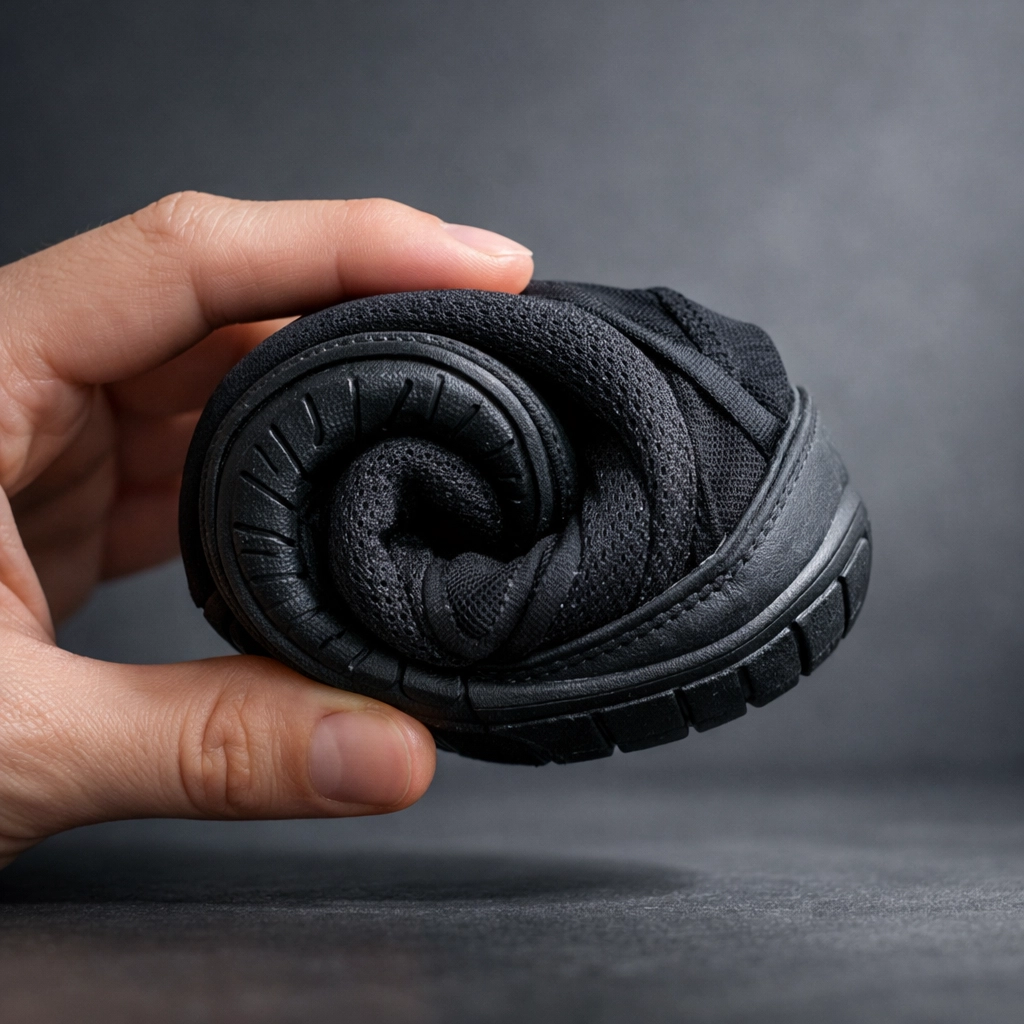
- Thin, Flexible Sole: You should be able to roll the shoe into a ball. This allows the foot to move through its natural range of motion and provides "ground feel."
- No Arch Support: The shoe relies on your foot's intrinsic muscles to maintain the arch rather than a piece of foam.
The Science: Why Your Feet Need to Feel the Ground
1. The 57% Strength Increase
A landmark study recently highlighted that individuals who walked in minimalist shoes for six months experienced a 57% increase in foot muscle strength. This isn't just a marginal gain; it’s the difference between a foot that collapses under pressure and one that acts as a powerful spring. When you remove artificial support, the 29 muscles native to the foot are forced to stabilize the body, leading to massive hypertrophy in the intrinsic muscles.
2. Enhanced Proprioception and Brain Health
Your feet are one of the most nerve-dense areas of your body. When you wear thick-soled shoes, you are essentially "blindfolding" your nervous system. Barefoot shoes restore proprioception: the brain's ability to perceive the body's position in space. Improved ground feel allows for micro-adjustments in gait, which significantly reduces the risk of falls and ankle sprains, especially as we age.
3. Restoring the Windlass Mechanism
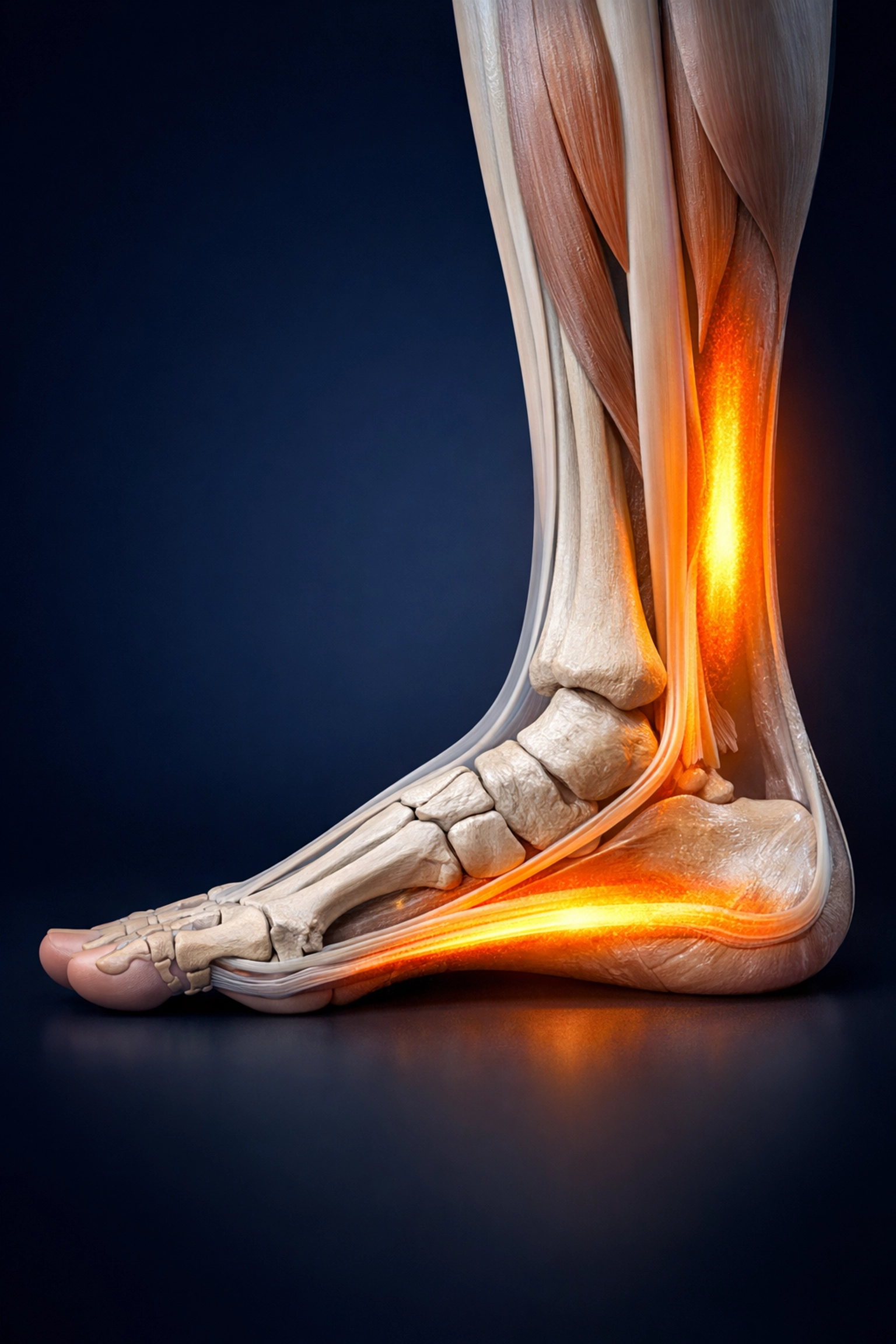
The Windlass Mechanism is a biological winch system where the big toe pulls the plantar fascia tight to create a rigid arch for propulsion. Traditional shoes with "toe spring" (upward-curving toes) keep the big toe in a permanent state of extension, effectively breaking this mechanism. Barefoot shoes allow the big toe to sit flat, re-engaging your natural shock absorption.
Comparison: Traditional vs. Barefoot Footwear
| Feature | Traditional Sneakers | Barefoot Shoes |
|---|---|---|
| Toe Box Shape | Tapered/Pointed (V-shape) | Anatomical (Foot-shape) |
| Heel-to-Toe Drop | 8mm to 15mm | 0mm (Zero-Drop) |
| Sole Thickness | 20mm+ (High Stack) | 3mm to 8mm (Low Stack) |
| Arch Support | Built-in Foam/Plastic | None (Intrinsic Support) |
| Weight | Heavy (300g+) | Ultra-light (<200g) |
The Danger Zone: Why You Can’t Switch Overnight
The biggest mistake people make is buying a pair of barefoot shoes and immediately going for a 5-mile run. This is a recipe for disaster. Because your Achilles tendon has likely shortened from years of wearing elevated heels, and your calf muscles have become "lazy," an immediate switch puts extreme tension on the posterior chain.
Common "Too Much, Too Soon" injuries include:
- Top-of-foot pain: Usually a sign of metatarsal stress reactions.
- Achilles Tendonitis: From the sudden demand for a full range of motion.
- Plantar Fasciitis: Caused by forcing a weak arch to do too much work before it's ready.
The 4-Phase Transition Protocol (2026 Edition)
To transition safely, you need to think in months, not days. Follow this structured hierarchy to rebuild your "ancestral" feet.
Phase 1: The "At-Home" Foundations (Weeks 1–4)
Don't even buy the shoes yet. Start by spending 100% of your time at home barefoot.
- Action: Walk on different surfaces (hardwood, carpet, tile).
- Exercise: Practice "Toe Splay": try to spread your toes apart without using your hands.
- Goal: Wake up the nerves on the soles of your feet.
Phase 2: The "Short Stroll" (Weeks 5–8)
Purchase your first pair of minimalist shoes. Look for a "transition" shoe with slightly more stack height (around 10mm) if you are nervous.
- Action: Wear your barefoot shoes for 30 minutes of low-intensity walking daily (e.g., a trip to the grocery store).
- Warning: If your calves feel tight the next morning, take a day off.
- Goal: Allow the Achilles tendon to gently lengthen.
Phase 3: The Functional Load (Weeks 9–16)
Start incorporating barefoot shoes into your gym routine, specifically for static lifts like deadlifts and squats.
- Action: Use barefoot shoes for weightlifting but not for cardio or running yet.
- Focus: "Rooting" your feet into the ground during lifts to engage the glutes.
- Goal: Build strength under load.
Phase 4: Full Integration (Month 4+)
Now you can begin "exercise snacks" or short runs.
- Action: 10% Rule. If you run 10 miles a week, only run 1 mile in barefoot shoes initially. Increase by 10% each week.
- Gait Check: Ensure you are landing on your midfoot or forefoot. A heel strike in barefoot shoes is painful and dangerous.
Essential Foot Prehab Exercises
To support your transition, you must actively "work out" your feet. Treat these as non-negotiable as your bicep curls or squats.
- Short Foot (Foot Doming): Try to pull the ball of your foot toward your heel without curling your toes. This engages the medial longitudinal arch.
- Toe Yoga: Keep your small toes on the ground and lift only your big toe. Then, keep your big toe down and lift only your small toes. This builds independent motor control.
- Calf Eccentrics: Stand on the edge of a step. Raise up on two feet, then slowly lower down on one foot below the level of the step. This strengthens the Achilles in a lengthened position.
- The Tennis Ball Roll: Roll a firm ball under your foot for 2 minutes daily to break up adhesions in the plantar fascia.
The Long-Term Impact on Longevity
In the context of the "Centenarian Decathlon": the idea that we should train now for the physical tasks we want to perform at age 100: foot health is a cornerstone. Balance is the first thing to go as we age, and falls are a leading cause of mortality in the elderly. By building "barefoot strength" in your 30s, 40s, and 50s, you are essentially installing a high-performance suspension system and a sophisticated GPS into your legs.
Barefoot shoes aren't a "bio-hack" or a fad; they are a return to our natural biological state. When you fix your foundation, the rest of the kinetic chain: your knees, hips, and lower back: often follows suit.
Final Thoughts for the CEO
If you're a busy professional, you might think you don't have time for "foot training." The beauty of the barefoot transition is that it happens while you live your life. By simply changing your footwear, every step you take becomes a rep for your foot muscles. Start slow, listen to the feedback from your nervous system, and reclaim the strength you were born with.
Author Bio
Malibongwe Gcwabaza is the CEO of blog and youtube, a leading digital hub dedicated to performance, longevity, and evidence-based wellness. With a background in executive leadership and a passion for functional movement, Malibongwe explores the intersection of modern technology and ancestral health. He is a firm believer that the best health interventions are often the ones that remove artificial barriers between our bodies and the natural world. When he’s not analyzing the latest fitness data, you’ll find him testing his own VO2 max or experimenting with minimalist movement protocols.
About the Author