The days of the "once-a-year" five-minute physical are officially over. In 2026, health isn't just the absence of disease; it’s the presence of peak biological performance. If you are still relying on a basic blood pressure cuff and a quick "turn your head and cough," you are missing about 80% of the data that actually determines your healthspan.
A full-body health audit is a comprehensive, data-driven deep dive into your biology. It combines traditional clinical medicine with advanced longevity science, wearable data, and functional testing. Whether you’re a high-performer looking for an edge or someone focused on hitting 100 with the vitality of a 60-year-old, this checklist is your roadmap for 2026.
Phase 1: The Essential Biomarker Panel (The Gold Standard)
Standard labs often look for "normal" ranges: the average of a sick population. In a health audit, we look for optimal ranges. If your glucose is 99 mg/dL, a traditional doctor says you're fine. A longevity-focused audit says you're trending toward insulin resistance.
The "Must-Have" Lab Tests for 2026
| Test Category | Biomarker | Why It Matters | Optimal Range (Target) |
|---|---|---|---|
| Metabolic Health | HbA1c & Fasting Insulin | Measures long-term blood sugar and how hard your pancreas is working. | HbA1c < 5.2%; Insulin < 5 uIU/mL |
| Cardiovascular | ApoB (Apolipoprotein B) | A more accurate predictor of heart disease than "bad" LDL cholesterol. | < 60 mg/dL |
| Cardiovascular | Lipoprotein(a) | A genetically determined risk factor for heart attack and stroke. | < 30 mg/dL |
| Inflammation | High-Sensitivity CRP | Tracks systemic inflammation, a driver of "inflammaging." | < 1.0 mg/dL |
| Nutrients | Vitamin D & B12 | Critical for immune function, mood, and DNA repair. | D: 50-80 ng/mL; B12: > 600 pg/mL |
| Hormonal | Free Testosterone / DHEA-S | Essential for muscle mass, libido, and cognitive clarity in both men and women. | Variable by age/gender |
Phase 2: Longevity & Biological Age Testing
In 2026, your birth certificate is just a number. Your biological age tells the real story of how fast your cells are aging.
1. Epigenetic Clocks (DNA Methylation)
Using tests like the DunedinPACE or GrimAge, you can measure the rate at which you are aging. This provides a "speedometer" for your health. If your biological age is higher than your chronological age, your audit needs to prioritize lifestyle interventions like sleep and stress management.
2. VO2 Max (The King of Longevity Metrics)
Data from the last five years has confirmed that VO2 Max is the single strongest predictor of lifespan.
- The Audit Task: Perform a graded exercise test on a treadmill or cycle ergometer.
- The Goal: Aim to be in the "Elite" category for your age group. If you are in the bottom 25%, your risk of all-cause mortality is significantly higher than those in the top tier.
3. Body Composition (DEXA Scan)
Forget the BMI scale. It doesn't account for muscle mass. A DEXA scan provides a breakdown of:
- Visceral Fat: The dangerous fat around your organs. Aim for < 1lb.
- Bone Mineral Density (BMD): Critical for preventing fractures as you age.
- Appendicular Lean Mass Index (ALMI): A measure of your functional muscle mass.
Phase 3: Metabolic Flexibility & Wearable Integration
Your audit isn't just a snapshot; it’s a movie. We use technology to see how your body responds to the world in real-time.
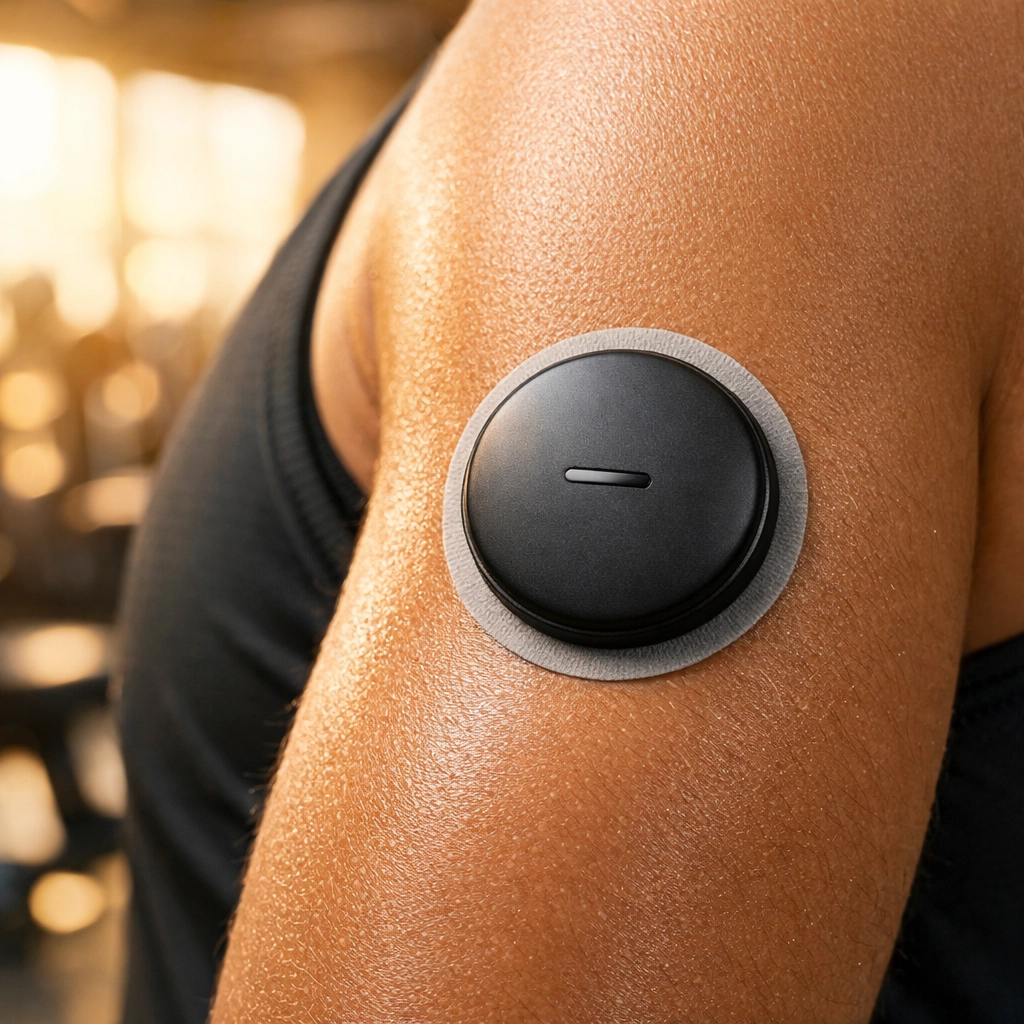
The Continuous Glucose Monitor (CGM) Audit
Even if you aren't diabetic, wearing a CGM for 14 days is a game-changer. It shows you exactly which "healthy" foods (like oatmeal or grapes) are causing massive insulin spikes for your specific biology.
- Audit Goal: Maintain a "time in range" (70-110 mg/dL) of over 90%.
Heart Rate Variability (HRV) Trends
Check your wearable data (Oura, Whoop, Apple Watch) for your 6-month HRV trend. A declining trend indicates chronic overreaching, poor recovery, or hidden systemic stress.
Phase 4: The 2026 Physical Performance Checklist
You don't just want to live long; you want to be able to pick up your grandkids and carry your groceries at 90. This is what Dr. Peter Attia calls the "Centenarian Decathlon."
- Grip Strength: A proxy for total body strength and neurological health. Use a dynamometer to ensure you are in the top 25th percentile for your age.
- The Dead Hang: Can you hang from a pull-up bar for at least 60 seconds? This tests grip and shoulder stability.
- The Wall Sit: A test of lower body endurance. Aim for 2 minutes.
- Balance (Single Leg Stand): Can you stand on one leg with your eyes closed for 20 seconds? Balance is the first thing to go, and falls are a leading cause of late-life injury.
Phase 5: Neurological & Mental Fitness
A healthy body with a failing brain is a tragedy. Your audit must include a baseline of cognitive function.
- Cognitive Baseline: Use apps like BrainHQ or Cambridge Brain Sciences to test memory, reasoning, and processing speed. Re-test annually.
- Sleep Architecture: Review your deep sleep and REM cycles. If deep sleep is consistently under 1 hour, your brain isn't effectively clearing out amyloid-beta plaques (the precursors to Alzheimer's).
- Vagus Nerve Tone: Are you able to shift from "fight or flight" to "rest and digest" quickly? Practicing a 2-minute "physiological sigh" (double inhale, long exhale) and measuring the immediate drop in heart rate is a simple audit of your nervous system's resilience.

Phase 6: Age-Specific Triage
While the above applies to everyone, your specific decade dictates where you should focus your "deep dive" energy.
The 20s & 30s: The Foundation
- Focus: Building "Peak Bone Mass" and "Peak Muscle Mass." This is your retirement fund for your body.
- Checklist: Baseline ApoB, full STI panel, and mental health resiliency training.
The 40s & 50s: The Pivot
- Focus: Hormonal optimization and cancer screening.
- Checklist: Women should prioritize perimenopause tracking; men should look at PSA and free testosterone. Start early colon cancer screenings (Cologuard or Colonoscopy) and consider a prenatal-style multi-cancer early detection (MCED) blood test.
The 60s and Beyond: The Maintenance
- Focus: Sarcopenia (muscle loss) prevention and cognitive preservation.
- Checklist: Annual bone density scans, hearing and vision tests (hearing loss is strongly linked to dementia), and a high-protein diet audit to ensure muscle retention.
How to Execute Your 2026 Audit
Doing this all at once can be overwhelming. Follow this 4-step action plan:
- Schedule the Bloodwork: Contact a functional medicine provider or use a direct-to-consumer service to get the advanced biomarkers (ApoB, Insulin, hs-CRP) that standard doctors often omit.
- Book Your Imaging: Find a local facility for a DEXA scan and a VO2 Max test.
- The 2-Week Tech Blitz: Wear a CGM for 14 days and track your sleep and HRV meticulously.
- Review and Adjust: Don't just collect data. Use the results to adjust your "Big Three": Sleep, Nutrition, and Exercise.

A full-body health audit is an investment, not an expense. By identifying the smoke before there is a fire, you give yourself the best possible chance to live a long, vibrant, and high-performance life.
About the Author: Malibongwe Gcwabaza
Malibongwe Gcwabaza is the CEO of blog and youtube, a premier digital destination for high-performance health and longevity science. With over a decade of experience in the wellness space, Malibongwe specializes in bridging the gap between complex clinical data and actionable lifestyle strategies. He is a passionate advocate for proactive health auditing and utilizes a data-first approach to help individuals optimize their biological age and physical performance. When he isn't analyzing the latest longevity research, Malibongwe can be found practicing what he preaches in the weight room or experimenting with the latest in bio-monitoring technology.
About the Author