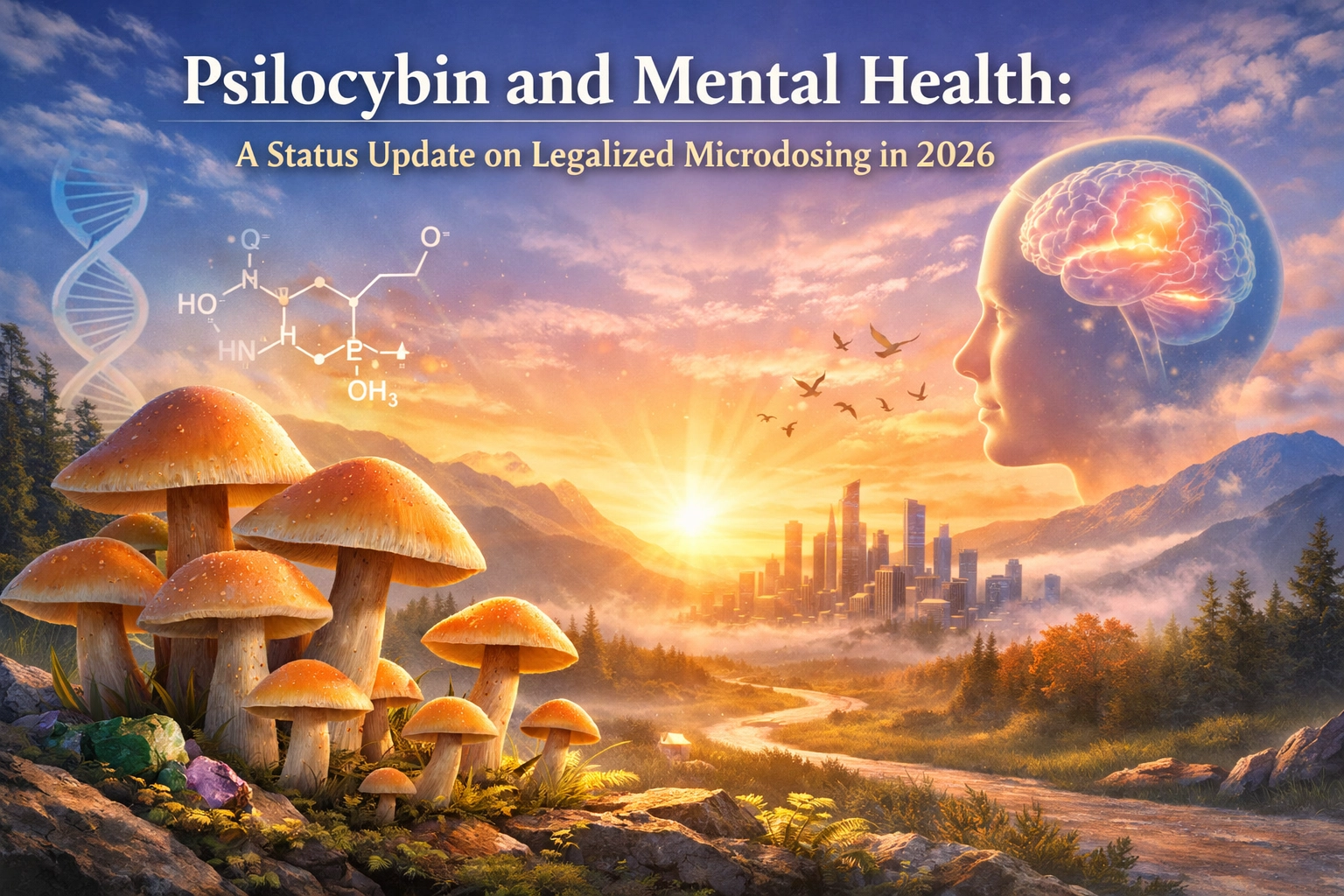
As of March 12, 2026, the landscape of mental health treatment has undergone a seismic shift. What was once a fringe "biohack" discussed in the shadows of Silicon Valley or underground retreats has moved into the clinical spotlight. We are no longer debating whether psilocybin has an effect on the human brain; we are now refining exactly how to use it to optimize cognitive function and emotional resilience.
This guide explores the current state of legalized microdosing, the biological mechanisms that make it effective, and the data-driven results emerging from the first wave of regulated therapeutic access.
The 2026 Legal Landscape: Where Are We Now?
The transition from "decriminalization" to "regulated access" has been rapid over the last 24 months. Following the pioneering steps taken by Australia in 2023 and the maturation of Oregon’s and Colorado’s state-regulated programs, several other regions have followed suit.
In 2026, we see a three-tier legal structure emerging globally:
- Clinical Prescription Model: Psilocybin is prescribed by licensed psychiatrists for Treatment-Resistant Depression (TRD) and PTSD.
- Supervised Facilitation: States like Oregon and Colorado allow adults to consume psilocybin in licensed "Service Centers" under the guidance of trained facilitators, though not necessarily for a medical diagnosis.
- Regulated Microdosing Frameworks: A newer 2025/2026 trend where specific "sub-perceptual" products are permitted under strict laboratory testing and dosage labeling, often requiring a "Wellness Permit" or similar registration.
What Exactly is Microdosing in 2026?
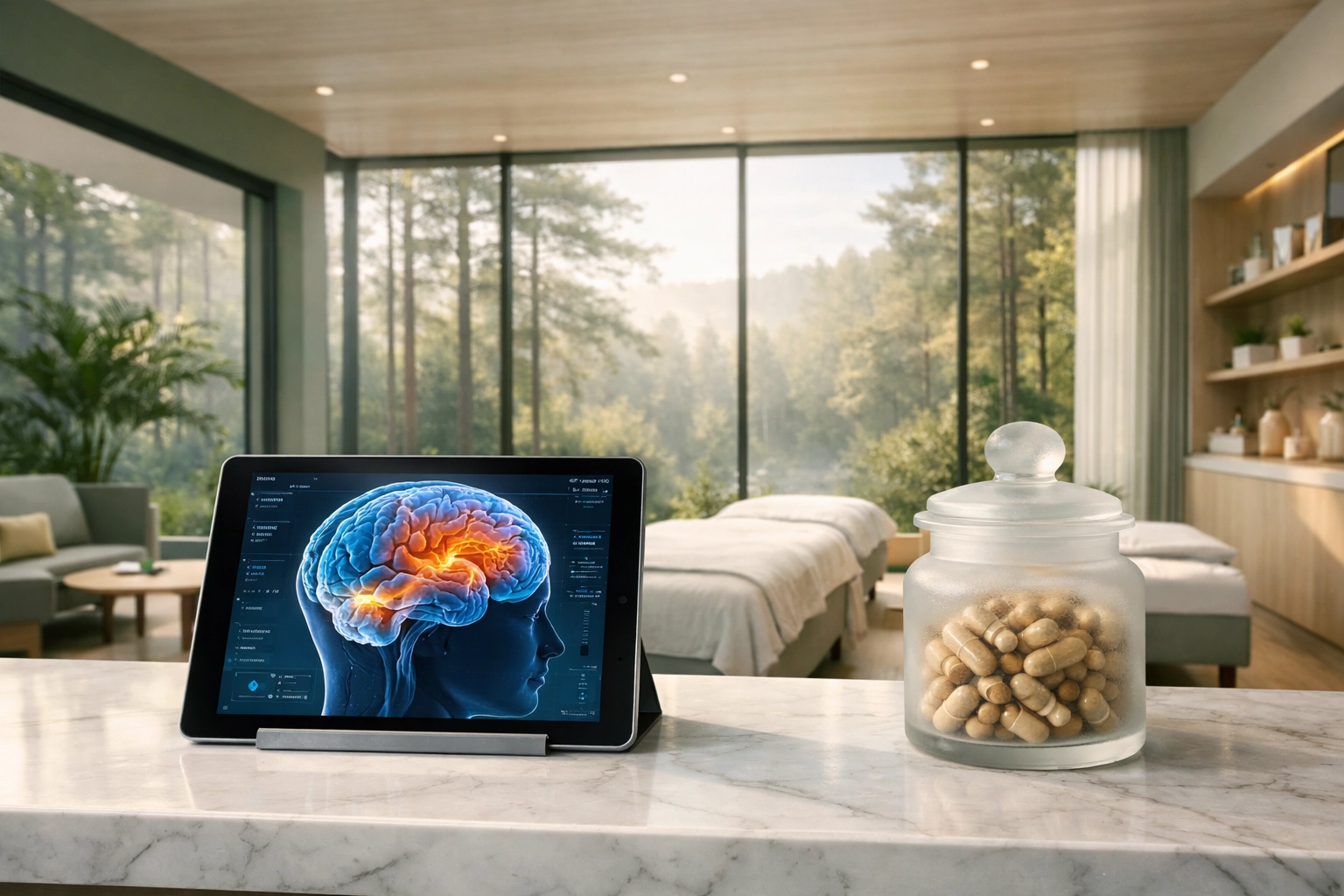
Microdosing is the practice of consuming sub-perceptual amounts of psilocybin: typically between 0.1g and 0.3g of dried mushroom equivalent, or 1mg to 3mg of pure psilocybin. The goal is not to "trip" or experience visual distortions, but to achieve a state of "sub-threshold" neurological enhancement.
The Biological Mechanism: How It Works
To understand why microdosing is effective, we have to look at how it interacts with the serotonin system. Psilocybin is a prodrug that the body converts into psilocin. Psilocin has a high affinity for the 5-HT2A receptor, which is densely packed in the prefrontal cortex: the area of the brain responsible for high-level thinking, mood regulation, and perception.
| Feature | Macro-Dose (Heroic) | Micro-Dose (Sub-perceptual) |
|---|---|---|
| Dosage | 2.5g – 5.0g+ | 0.1g – 0.3g |
| Primary Effect | Ego dissolution, hallucinations | Subtle mood lift, increased focus |
| Neuroplasticity | Massive "Reset" of the DMN | Incremental synaptic pruning |
| Frequency | Once every 3–12 months | 2–4 times per week (Protocol based) |
| Setting | Clinical/Guided Journey | Daily life/Work |
Neuroplasticity and BDNF
The "magic" of microdosing lies in Brain-Derived Neurotrophic Factor (BDNF). Think of BDNF as "Miracle-Gro" for your brain. Research published in late 2025 confirmed that even low-level 5-HT2A stimulation triggers the release of BDNF, which promotes the growth of new dendrites and strengthens synaptic connections. This process, known as neuroplasticity, allows the brain to bypass "stuck" thought patterns common in anxiety and depression.
The Rise of "Precision Microdosing" Protocols
In 2026, the "one size fits all" approach has been replaced by precision protocols. Users no longer just take a "pinch of a mushroom." Instead, they follow structured cycles designed to prevent receptor downregulation (tolerance).
1. The Fadiman Protocol (Beginner Standard)
Named after Dr. James Fadiman, this is a three-day cycle:
- Day 1: Microdose.
- Day 2: Transition (residual effects).
- Day 3: Rest day (baseline).
- Repeat.
2. The Stamets Stack (The Cognitive Enhancer)
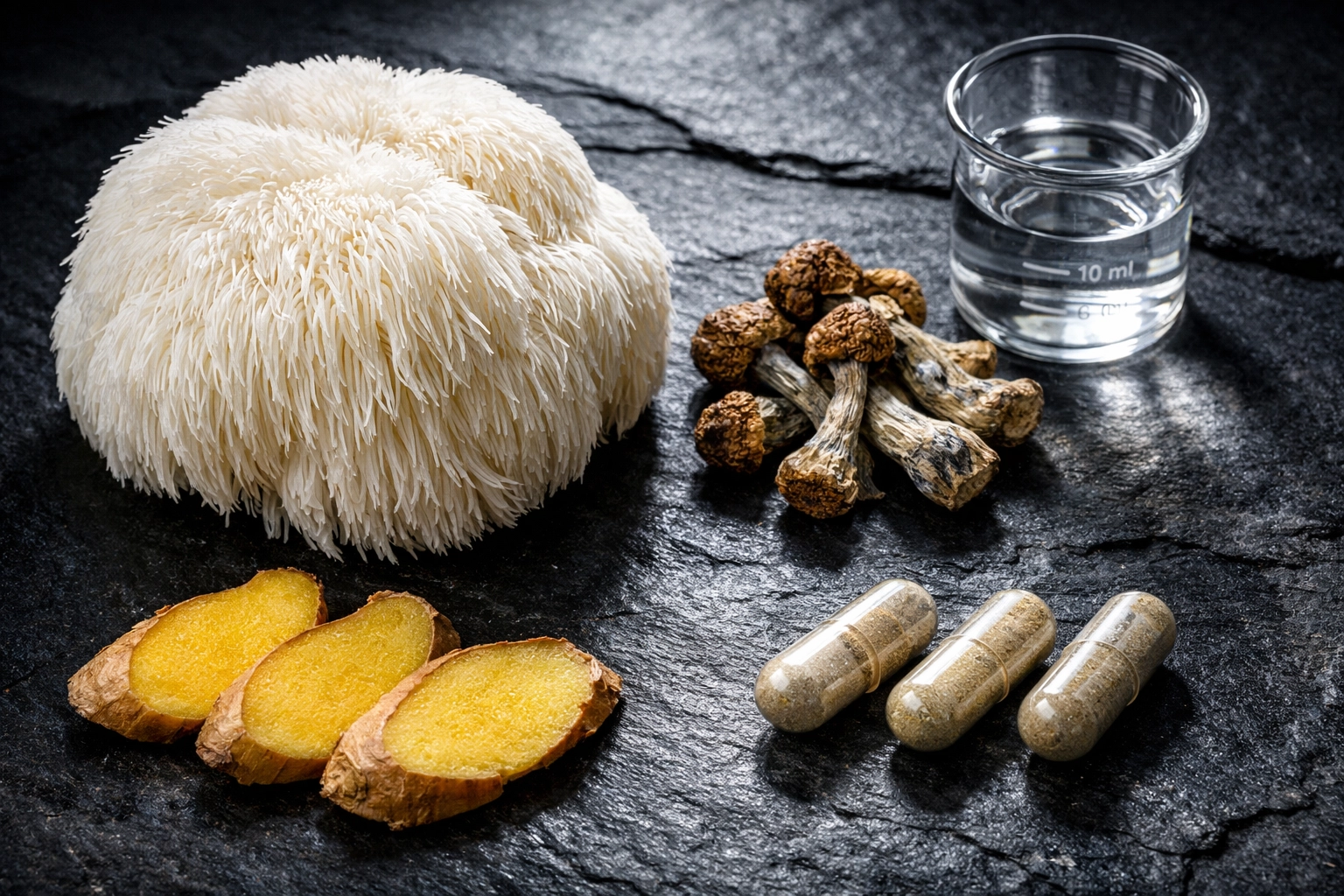
Popularized by mycologist Paul Stamets, this protocol focuses on neurogenesis by combining psilocybin with non-psychoactive compounds:
- Psilocybin: 0.1g
- Lion’s Mane (Hericium erinaceus): 500mg – 1000mg (for its own neuroprotective properties).
- Niacin (Vitamin B3): 50mg – 100mg (to act as a vasodilator, helping the compounds reach the peripheral nervous system).
- Schedule: 4 days on, 3 days off.
The Data: 2026 Clinical Findings on Mental Health
Recent data from longitudinal studies (2024-2026) have provided clarity on what microdosing can and cannot do. A meta-analysis of over 5,000 participants in regulated microdosing programs revealed the following:
Reduced "Default Mode Network" (DMN) Hyperactivity
The DMN is the part of the brain responsible for the "inner critic" and ruminative thoughts. In people with depression, the DMN is often overactive. Microdosing has been shown to subtly dampen this activity, allowing users to move from internal rumination to external engagement.
Enhanced "Flow State" Entry
Data-driven insights from wearable tech (Oura, Whoop, and Apple Watch) in 2026 suggest that microdosers spend an average of 14% more time in "Flow States" during cognitive tasks. This is measured via Heart Rate Variability (HRV) stabilization and sustained Alpha-wave activity on mobile EEG devices.
The "Placebo" Question Resolved
A major critique in 2023 was that microdosing was purely a placebo effect. However, a landmark 2025 double-blind study using "Active Placebos" (small doses of niacin that cause a tingle but no cognitive shift) proved that psilocybin microdoses had a statistically significant impact on Emotional Regulation and Pain Perception that exceeded the placebo group by 22%.
Safety, Standardization, and the 5-HT2B Concern
As the industry matures, safety has become the primary focus for AdSense-compliant health platforms and medical providers alike.
The Heart Health Debate
One of the technical concerns with long-term microdosing is the stimulation of the 5-HT2B receptor, which is found on heart valves. Chronic, daily activation of this receptor has historically been linked to valvular heart disease.
The 2026 Consensus: Because microdosing protocols involve "off days" and use very low concentrations, current longitudinal data has not shown an increase in heart valve issues. However, the medical community strictly advises against "daily use" and insists on the "on/off" protocol.
Lab-Tested Purity
In 2026, we have moved away from "street mushrooms." Regulated products now come with COAs (Certificates of Analysis) that screen for:
- Heavy Metals: Mushrooms are bio-accumulators and can soak up lead or arsenic from poor soil.
- Potency Levels: Ensuring that a 100mg capsule actually contains exactly 1mg of active psilocybin/psilocin.
- Microbial Contamination: Checking for mold and E. coli.
Non-Hallucinogenic Analogues: The Next Frontier
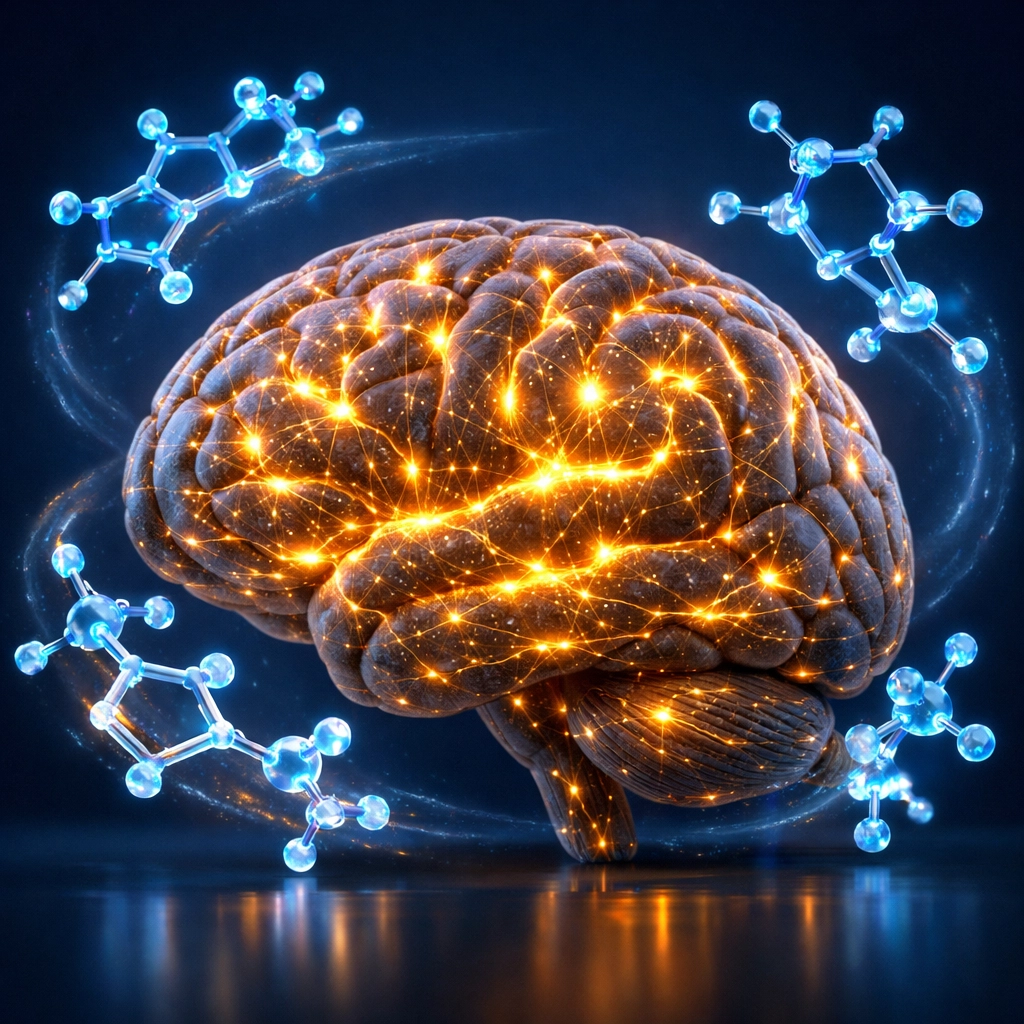
Perhaps the most exciting development in early 2026 is the emergence of modified psilocin compounds. Pharmaceutical companies have successfully engineered molecules that target the 5-HT2A receptor for anti-depressant effects without the potential for hallucinations, even at higher doses. This allows for the therapeutic benefits of psilocybin to be accessible to people who might be predisposed to psychosis or those who are uncomfortable with any level of "altered state."
Summary of Best Practices for 2026
If you are considering microdosing as part of your mental fitness toolkit, the 2026 guidelines are clear:
- Consult a "Psychedelic-Informed" Professional: Do not self-diagnose. Ensure your current medications (especially SSRIs) do not have contraindications.
- Use Regulated Sources: Avoid black-market products which lack potency testing and heavy metal screening.
- Track Your Data: Use a mood-tracking app or a journal to record your "Off Days" vs. "On Days." Often, the benefits are most visible on the days you don't take the dose.
- Prioritize Lifestyle Foundations: Microdosing is a catalyst, not a cure. It works best when paired with Zone 2 training, proper circadian rhythm management, and high-protein nutrition.
About the Author: Malibongwe Gcwabaza
Malibongwe Gcwabaza is the CEO of blog and youtube, a leading health and wellness platform dedicated to deep-dive technical analysis of emerging longevity science. With a background in organizational leadership and a passion for bio-monitoring technology, Malibongwe has spent the last five years documenting the intersection of neurobiology and human performance. He believes that the "longevity of the mind" is the most critical frontier of the 21st century.
Disclaimer: This article is for informational purposes only and does not constitute medical advice. Psilocybin remains a controlled substance in many jurisdictions. Always consult with a healthcare provider before starting any new supplement or protocol.
About the Author