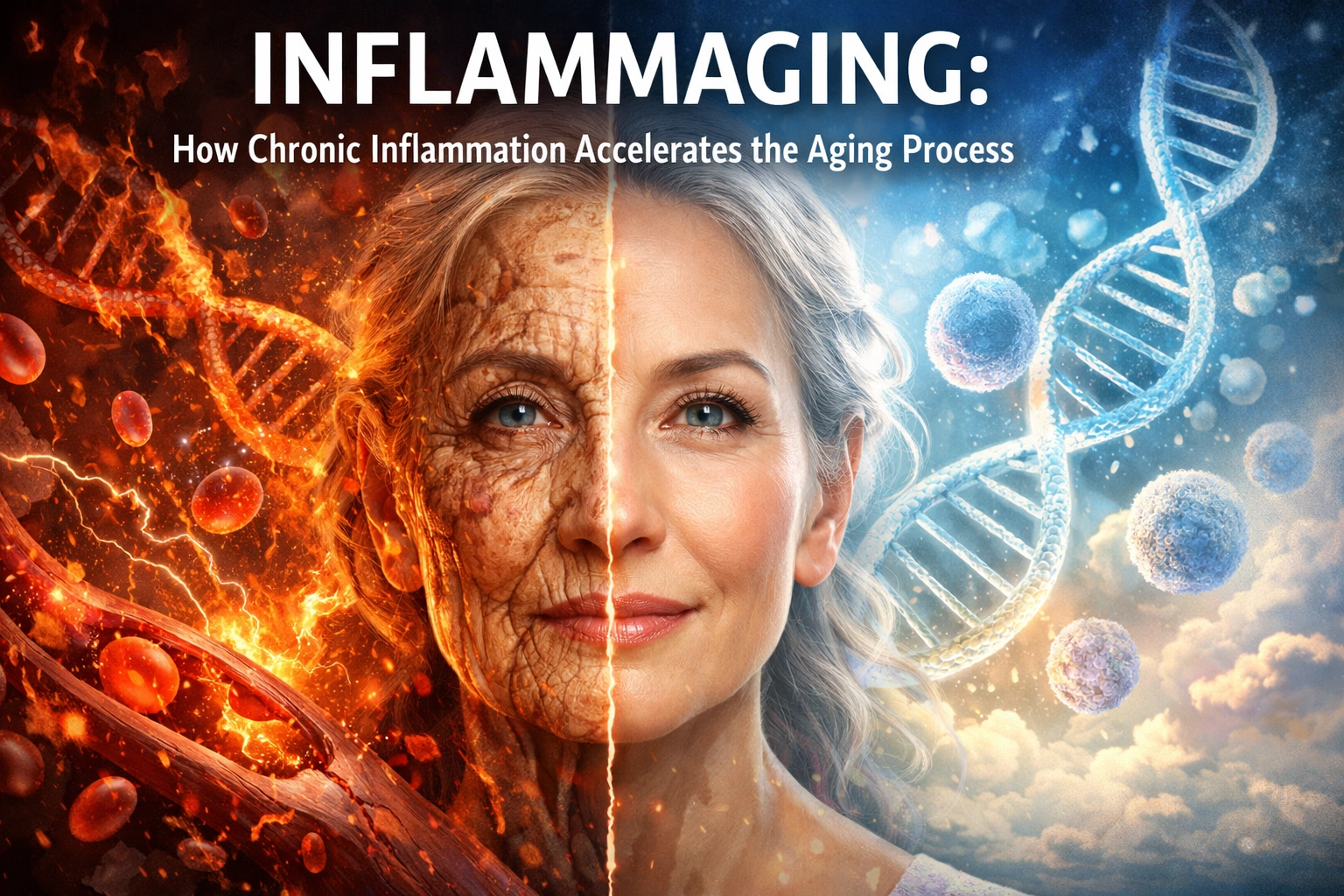
In the world of longevity science, one term dominates the conversation more than any other: Inflammaging. This portmanteau of "inflammation" and "aging" describes a state of chronic, low-grade, systemic inflammation that develops as we get older. Unlike the acute inflammation you experience when you stub your toe or fight off a cold, inflammaging is "sterile": meaning it happens even when there is no obvious infection or injury.
By 2026, research has confirmed that inflammaging is not just a side effect of getting older; it is a primary driver of the aging process itself. It acts like a slow-burning fire that gradually degrades your tissues, damages your DNA, and paves the way for chronic diseases like Alzheimer’s, heart disease, and type 2 diabetes.
Acute vs. Chronic Inflammation: Understanding the Difference
To understand why inflammaging is so dangerous, we have to distinguish it from the "good" kind of inflammation.
| Feature | Acute Inflammation | Inflammaging (Chronic) |
|---|---|---|
| Trigger | Pathogens (bacteria/virus) or tissue injury. | Cellular debris, senescent cells, and lifestyle stressors. |
| Duration | Short-term (days to weeks). | Permanent/Long-term (years to decades). |
| Outcome | Healing and tissue repair. | Tissue degradation and "biological rusting." |
| Visibility | Redness, swelling, heat, and pain. | Invisible (detected only via blood markers). |
| Systemic Impact | Localized to the site of injury. | Spreads throughout the entire body. |
The Biological Drivers: Why Does the Body "Burn" as We Age?
Inflammaging doesn't happen for just one reason. It is the result of several broken biological "housekeeping" systems. As we reach 2026, scientists have identified four main pillars that drive this process.
1. Cellular Senescence (The "Zombie Cell" Problem)
As cells age or become damaged, they are supposed to undergo programmed cell death (apoptosis). However, some cells refuse to die. Instead, they enter a state called senescence. These "zombie cells" linger in your tissues and develop a Senescence-Associated Secretory Phenotype (SASP).
Essentially, these zombie cells pump out a toxic cocktail of pro-inflammatory cytokines, growth factors, and proteases. This doesn't just damage the area around the senescent cell; it signals neighboring healthy cells to also become senescent, creating a ripple effect of inflammation.
2. Mitochondrial Dysfunction and ROS
Your mitochondria are the power plants of your cells. Over time, these power plants start to leak "sparks" in the form of Reactive Oxygen Species (ROS). When mitochondria become inefficient, they also leak their own DNA (mtDNA) into the cytoplasm of the cell.
The body’s immune system is programmed to recognize DNA floating outside the nucleus as a sign of a viral invasion. This triggers the NLRP3 inflammasome, a protein complex that launches an inflammatory response, even though there is no virus present.
3. Autophagy Failure
Autophagy is your body’s cellular recycling program. It identifies broken proteins and damaged organelles and breaks them down for fuel. As we age, autophagy slows down. This leads to an accumulation of "cellular junk." This junk acts as Damage-Associated Molecular Patterns (DAMPs), which keep the immune system in a constant state of high alert.
4. Gut Permeability (Leaky Gut)
The lining of the gut is the gatekeeper of the immune system. With age, poor diet, and stress, the tight junctions in the gut wall begin to loosen. This allows lipopolysaccharides (LPS): pro-inflammatory endotoxins found in certain bacteria: to "leak" into the bloodstream. This systemic exposure to bacterial byproducts is a major contributor to the low-grade inflammation seen in the elderly.
How Inflammaging Destroys Your Health
The impact of inflammaging is systemic. Because the blood carries inflammatory markers to every organ, no part of the body is safe from the fire.
The Brain: Neuroinflammation
Inflammaging breaks down the blood-brain barrier. Pro-inflammatory cytokines like IL-6 and TNF-alpha enter the brain, activating microglia (the brain's immune cells). When microglia are chronically active, they stop protecting neurons and start destroying them, leading to the cognitive decline associated with Alzheimer’s and Parkinson’s.
The Cardiovascular System: Plaque Instability
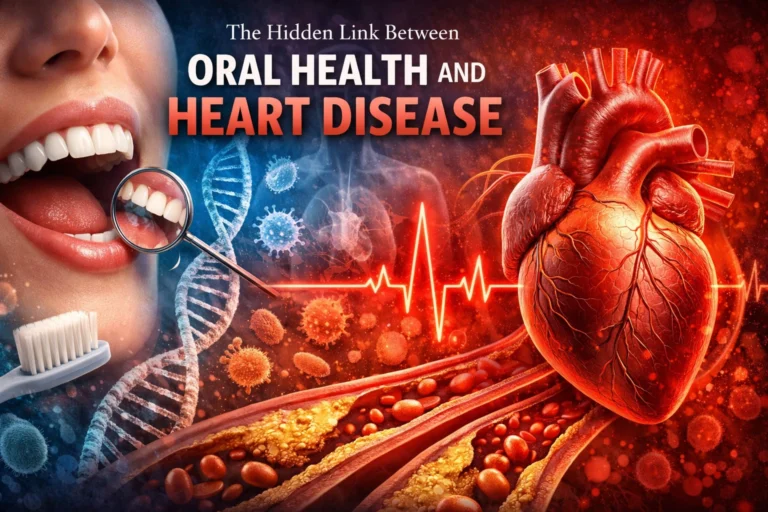
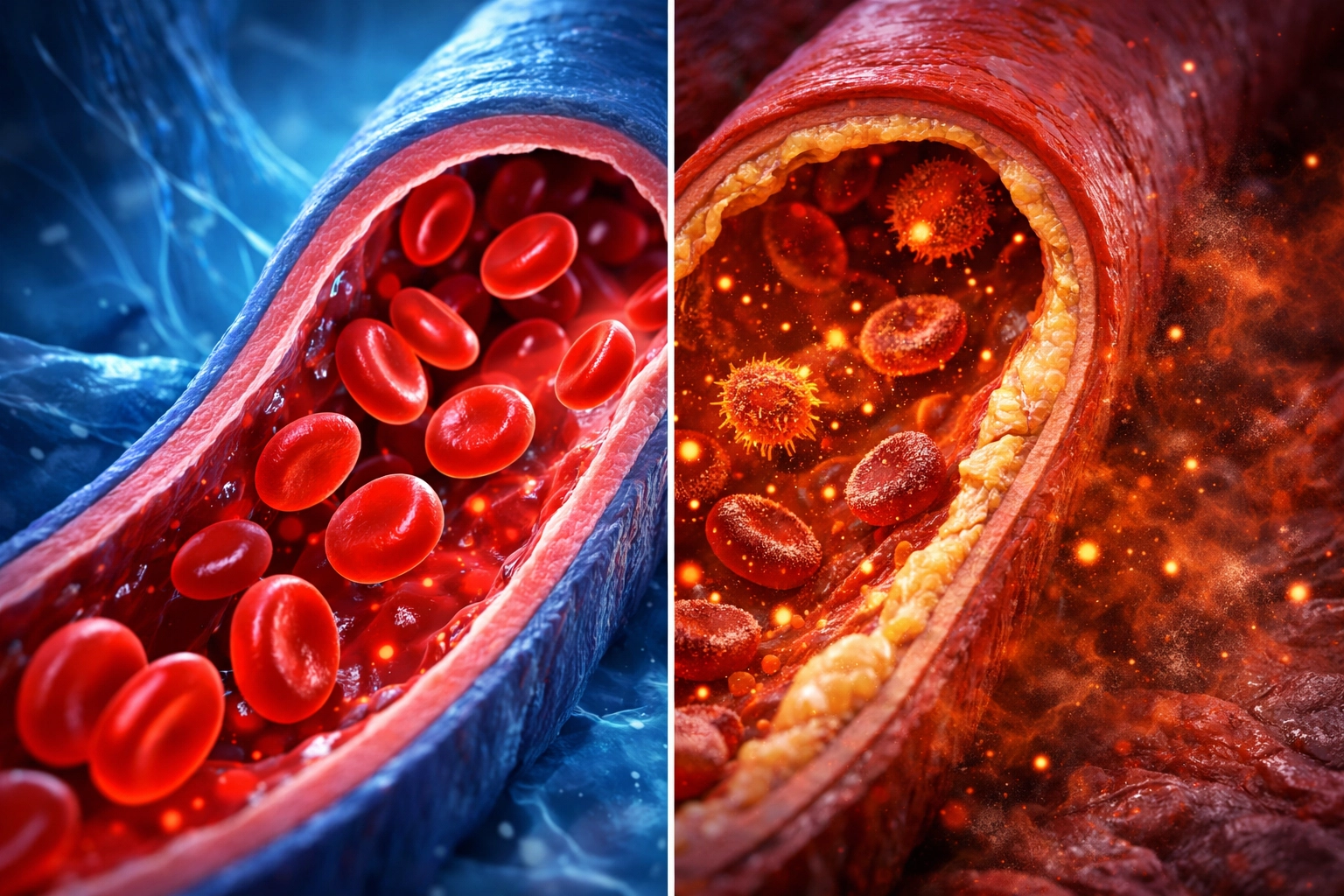
In the heart and arteries, chronic inflammation promotes the buildup of fatty plaques. Worse yet, inflammaging makes these plaques "unstable," meaning they are more likely to rupture and cause a heart attack or stroke.
The Musculoskeletal System: Sarcopenia
Inflammation is catabolic, meaning it breaks things down. High levels of systemic inflammation interfere with protein synthesis in the muscles, leading to Sarcopenia (age-related muscle loss). This is why a person can exercise and eat protein but still lose muscle if their inflammation levels are too high.

Measuring Inflammaging: The Biomarkers You Need to Know
In 2026, we no longer guess about our internal health. Precision medicine allows us to track specific biomarkers that indicate the rate of inflammaging. If you are serious about longevity, you should monitor the following:
- hs-CRP (High-Sensitivity C-Reactive Protein): The gold standard for measuring systemic inflammation. Ideally, this should be below 1.0 mg/L.
- Interleukin-6 (IL-6): A key cytokine that rises with age and is strongly linked to frailty.
- Fibrinogen: A protein that helps with blood clotting but also serves as an inflammatory marker.
- Homocysteine: An amino acid that, when elevated, indicates inflammation in the blood vessels and B-vitamin deficiencies.
- HbA1c: While technically a blood sugar marker, chronic high blood sugar creates "advanced glycation end-products" (AGEs), which are highly pro-inflammatory.
Strategies to Quench the Fire
The good news is that inflammaging is not an inevitable destiny. Through specific lifestyle interventions, we can significantly dampen the inflammatory response and slow the biological clock.
1. Nutritional Intervention
The modern diet is a primary driver of inflammation. To fight inflammaging, focus on:
- Omega-3 Fatty Acids: Found in fatty fish or high-quality algae oil, these are the direct precursors to "resolvins": molecules that actively shut down the inflammatory response.
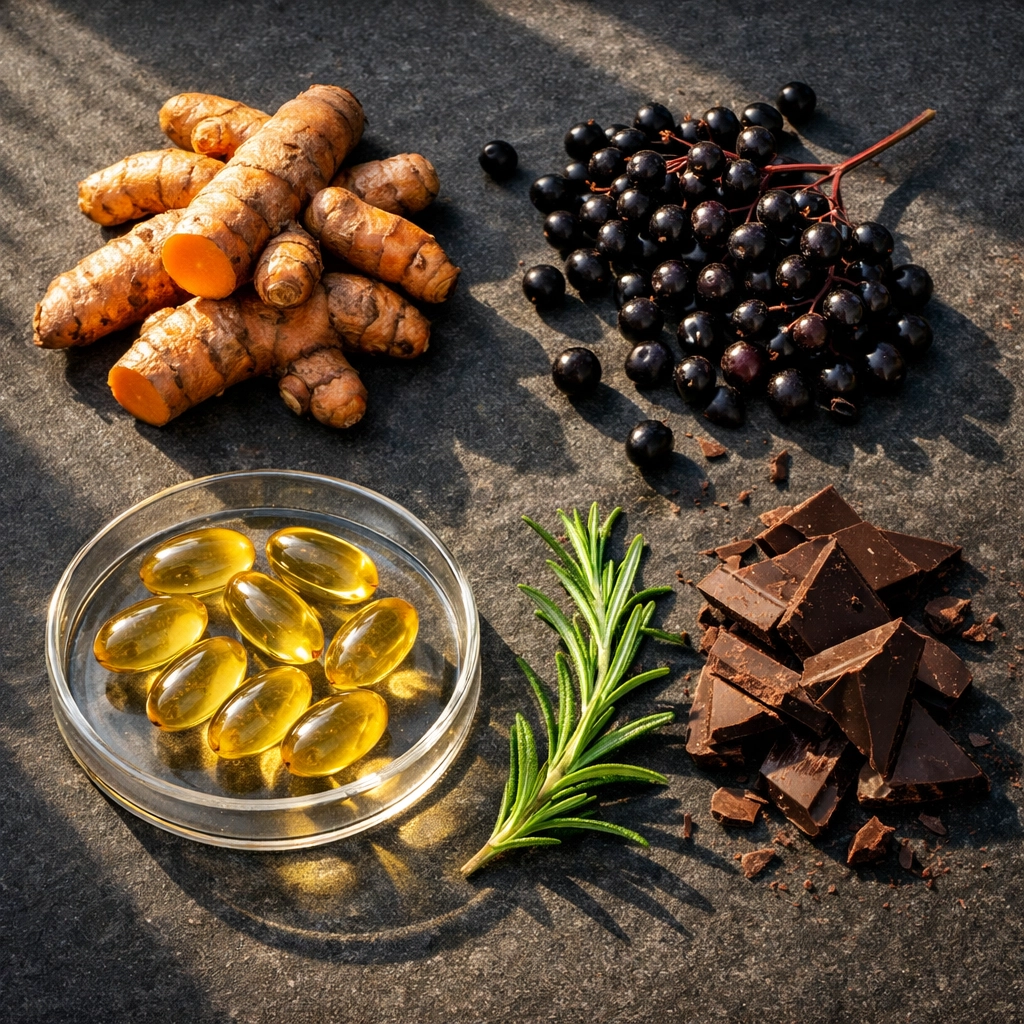
- Polyphenols: Compounds in blueberries, dark chocolate, and green tea that activate the Nrf2 pathway, the body’s internal antioxidant defense system.
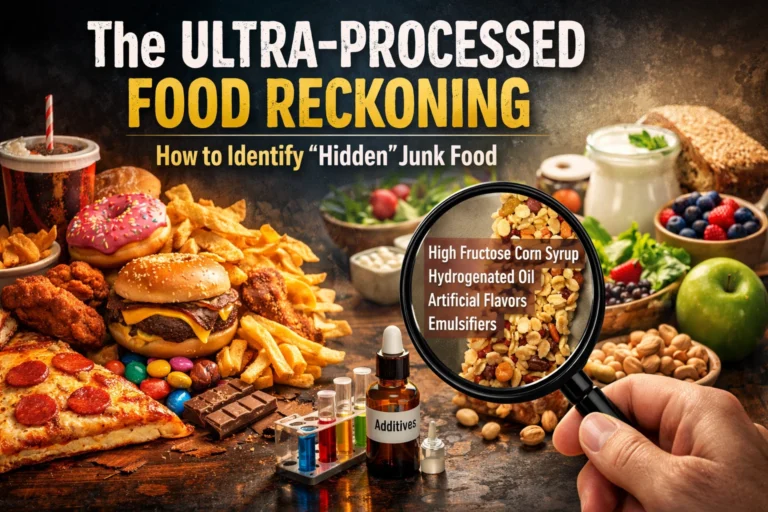
- Eliminating Ultra-Processed Foods: Seed oils high in Omega-6 and refined sugars are the primary "fuel" for the metabolic fire of inflammation.
2. Hormetic Stress (Saunas and Cold Plunges)
Hormesis is the concept of "what doesn't kill you makes you stronger." Brief exposure to extreme heat (sauna) or cold (ice baths) triggers the production of Heat Shock Proteins (HSPs). These proteins help refold damaged proteins and clear out cellular debris, effectively "cleaning" the cells and reducing the triggers for inflammaging.
3. Sleep Architecture
During deep sleep, the brain’s glymphatic system flushes out metabolic waste, including pro-inflammatory proteins. Even one night of poor sleep significantly increases the expression of pro-inflammatory genes the following day.
4. Targeted Supplementation
As of 2026, several compounds have shown promise in clinical trials for reducing inflammaging:
- Curcumin (with Piperine): A potent inhibitor of the NF-kB pathway, which is the master switch for inflammation.
- Quercetin and Fisetin: Known as "senolytics," these compounds help the body clear out senescent (zombie) cells.
- Magnesium: Most people are deficient; magnesium is a natural calcium channel blocker that helps regulate the inflammatory response.
The 2026 Longevity Protocol: A Summary Table
If you want to build a "fireproof" body, here is a breakdown of the most effective habits based on current clinical evidence.
| Category | Action | Frequency |
|---|---|---|
| Diet | Time-Restricted Feeding (16:8) | Daily |
| Exercise | Zone 2 Aerobic Training | 150+ minutes/week |
| Recovery | Infrared Sauna (80°C+) | 3-4 times/week |
| Supplements | Omega-3 (EPA/DHA) | 2-3 grams daily |
| Environment | Blue Light Blocking after sunset | Daily |
Final Thoughts: The Path Forward
Inflammaging is perhaps the most significant hurdle on our journey toward a longer healthspan. By understanding that aging is, in many ways, an immunological event, we can take control. We are moving away from treating individual diseases like "arthritis" or "heart disease" and moving toward treating the underlying inflammatory state that causes all of them.
Check your biomarkers, clean up your gut, and don't let the slow-burning fire of inflammation dictate your future.

About the Author
Malibongwe Gcwabaza is the CEO of blog and youtube and a passionate advocate for proactive health management and longevity science. With a background in executive leadership and a personal obsession with biohacking, Malibongwe focuses on translating complex medical research into actionable strategies for the modern high-performer. He believes that the future of healthcare isn't in the hospital, but in the daily choices we make regarding our biology.
About the Author