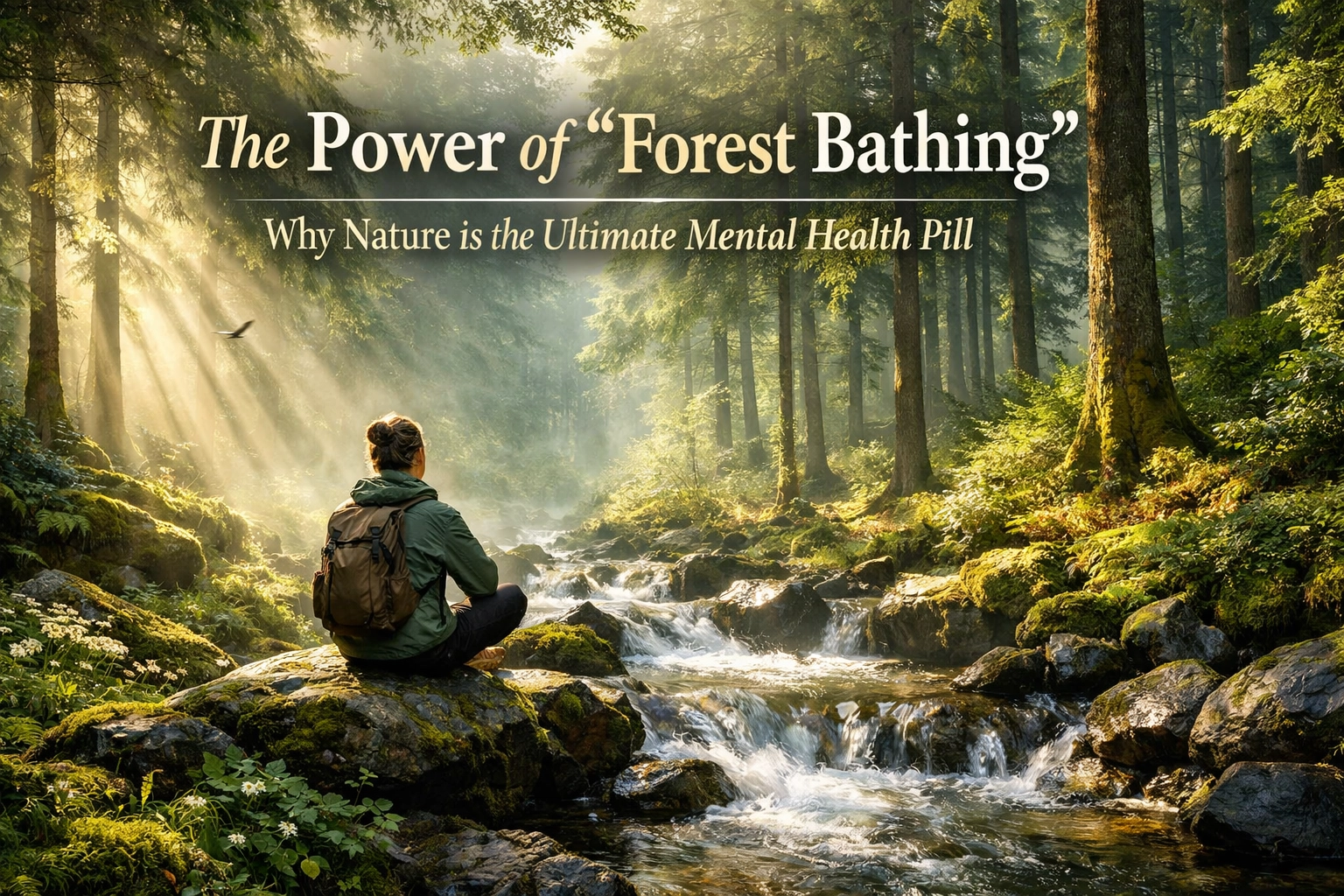
By 2026, the average person spends upwards of eleven hours a day staring at a screen. We are living in a state of "hyper-alertness," where our nervous systems are constantly bombarded by notifications, blue light, and the invisible pressure of the digital economy. It’s no surprise that anxiety and burnout rates have hit record highs.
But there is a high-tech solution hidden in a low-tech environment. It’s called Shinrin-yoku, or "Forest Bathing."
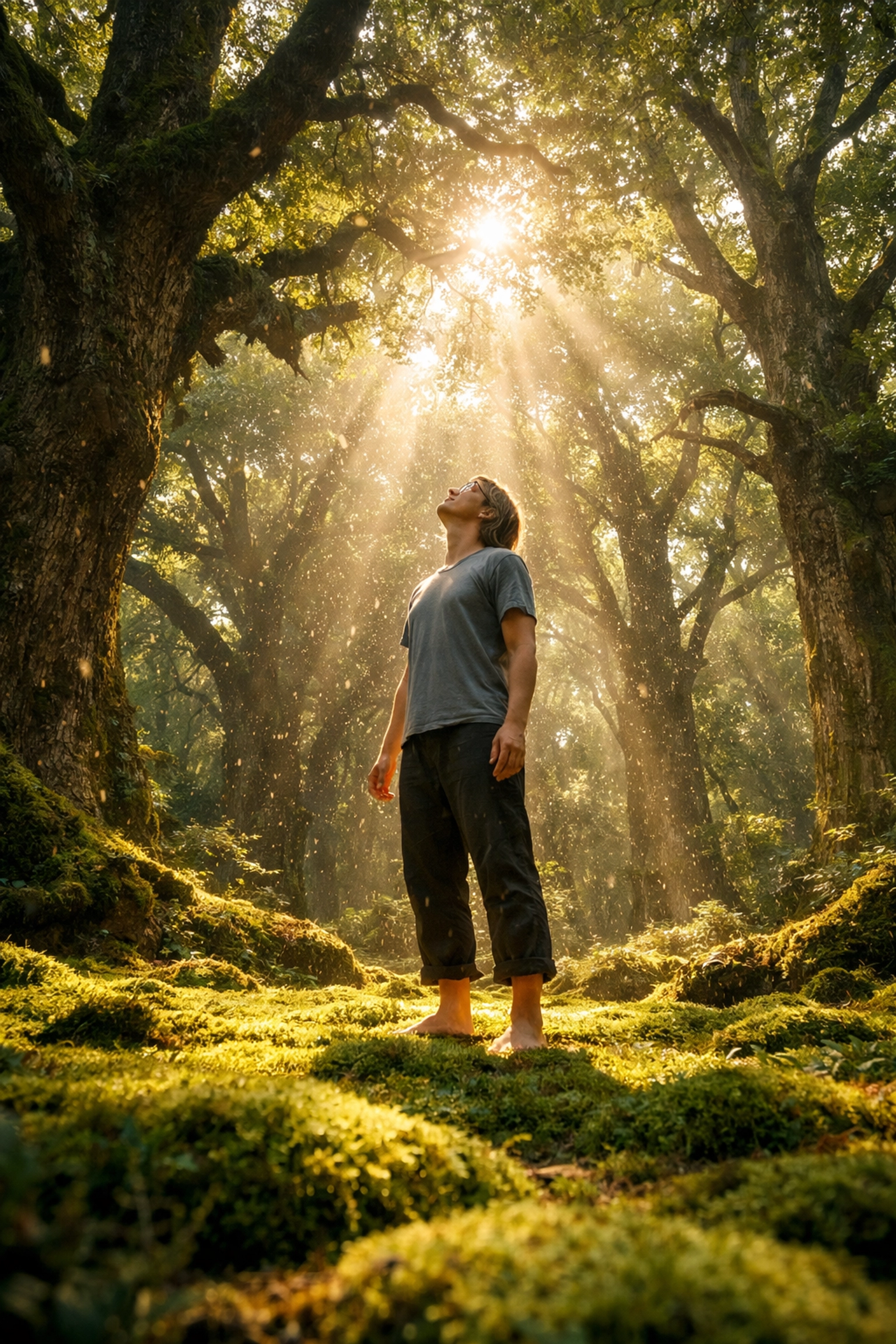
While it might sound like a "woo-woo" wellness trend, forest bathing is a scientifically validated physiological intervention. It is the practice of immersing oneself in a forest environment and taking in the atmosphere through all five senses. It isn't about hiking five miles or reaching a summit; it’s about a biological recalibration that shifts your body from "fight or flight" to "rest and digest."
The Science of the Forest: Beyond the Fresh Air
When you step into a forest, you aren't just looking at trees. You are entering a complex chemical soup that interacts directly with your biology. The most significant contributors to the mental health benefits of forest bathing are phytoncides.
1. Phytoncides and the Immune System
Phytoncides are antimicrobial organic compounds (essentially essential oils) released by plants and trees like cedars, pines, and oaks to protect themselves from rotting and insects. When humans breathe these in, our bodies respond by increasing the activity and number of Natural Killer (NK) cells. These are a type of white blood cell that targets virally infected cells and even tumor cells.
Research has shown that a single long session of forest bathing can boost NK cell activity for more than 30 days. This means the "mental health pill" of the forest has a long-lasting physiological "half-life."
2. Terpenes and Stress Reduction
Specific terpenes found in forest air, such as alpha-pinene and limonene, act as natural aromatherapeutics. These compounds have been shown to cross the blood-brain barrier and interact with GABA receptors, providing a sedative effect similar to pharmaceutical anti-anxiety medications but without the side effects.
Physiological Markers: Forest vs. Urban Environments
The data is clear: our bodies were not designed for concrete jungles. Below is a comparison of physiological markers measured in individuals after a 90-minute forest walk versus a 90-minute walk in a high-traffic urban environment.
| Marker | Forest Environment | Urban Environment |
|---|---|---|
| Salivary Cortisol | 12.4% Decrease | 2.1% Increase |
| Heart Rate | 5.8% Decrease | 3.5% Increase |
| Blood Pressure | Significant Stabilization | Negligible Change |
| Sympathetic Nerve Activity | 19.4% Decrease | 8.2% Increase |
| Parasympathetic Activity | 53.8% Increase | 4.1% Decrease |
Data compiled from meta-analysis of forest therapy trials (2024-2026 update).
The Neurological Impact: Silencing the "Rumination" Engine
One of the most profound impacts of nature on mental health is its ability to stop rumination. Rumination is the "broken record" in your head: replaying mistakes, worrying about the future, and over-analyzing social interactions. It is a major risk factor for clinical depression.
A landmark study utilized fMRI scans to observe the subgenual prefrontal cortex, the area of the brain associated with rumination. Participants who walked for 90 minutes in a natural setting showed significantly reduced neural activity in this region compared to those who walked in a city.
In essence, nature acts as a "reset button" for the brain’s default mode network. By shifting our focus to "soft fascination": the effortless observation of moving leaves, dappled sunlight, or flowing water: we allow our directed attention (the part used for work and problem-solving) to recover from fatigue. This is known as Attention Restoration Theory (ART).
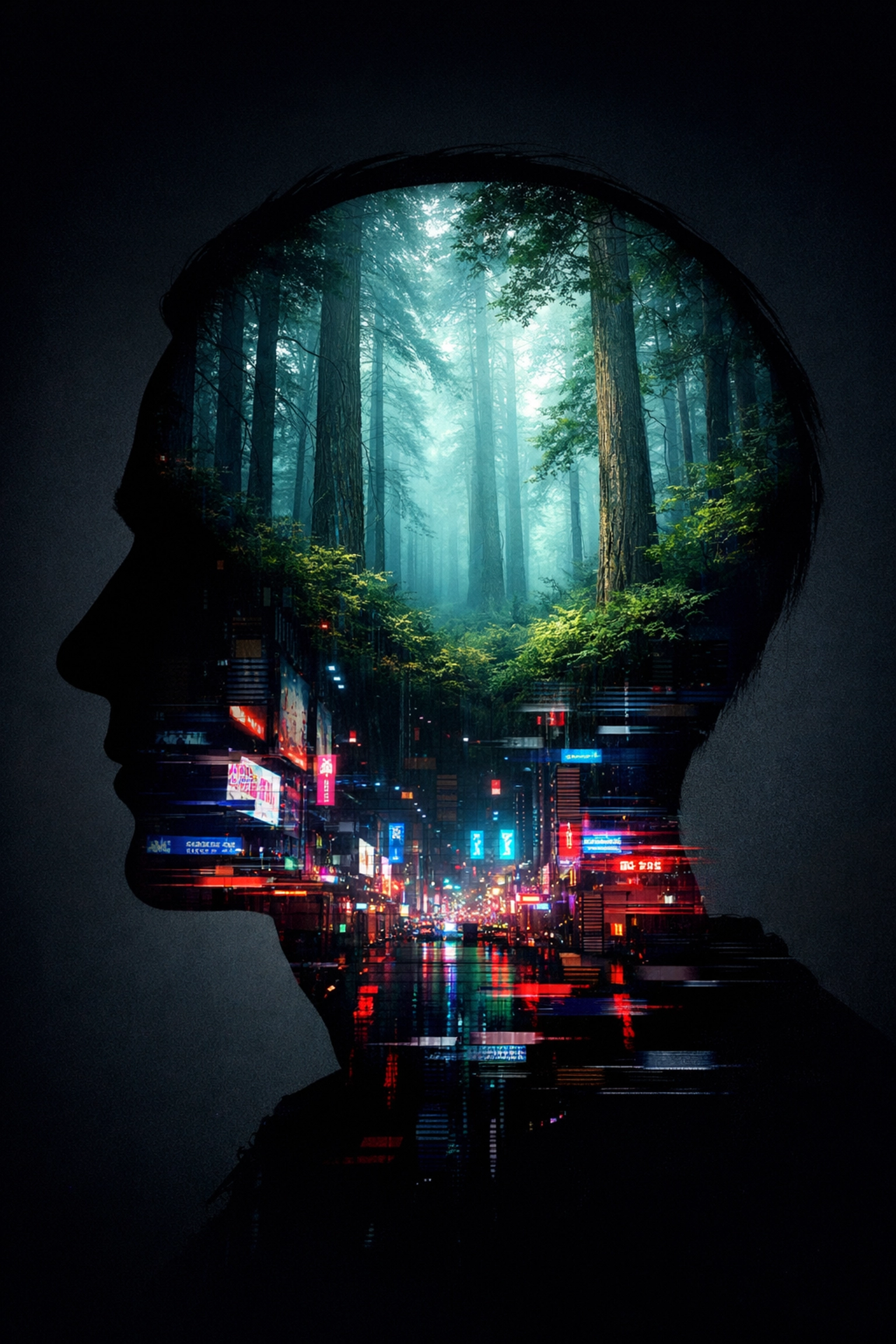
The 2026 Perspective: Nature as a Counter-Metric to Digital Fatigue
In our current era, we are dealing with "Digital Detox 2.0." It’s no longer just about putting the phone down; it’s about active neurological recovery. Forest bathing serves this purpose by providing:
- Negative Air Ions: Forests, particularly near moving water, are rich in negative ions. These ions are believed to produce biochemical reactions that increase levels of the mood chemical serotonin, helping to alleviate depression and relieve stress.
- Circadian Rhythm Alignment: Exposure to natural light patterns helps regulate melatonin production, which is often disrupted by the 24/7 blue-light cycle of modern life.
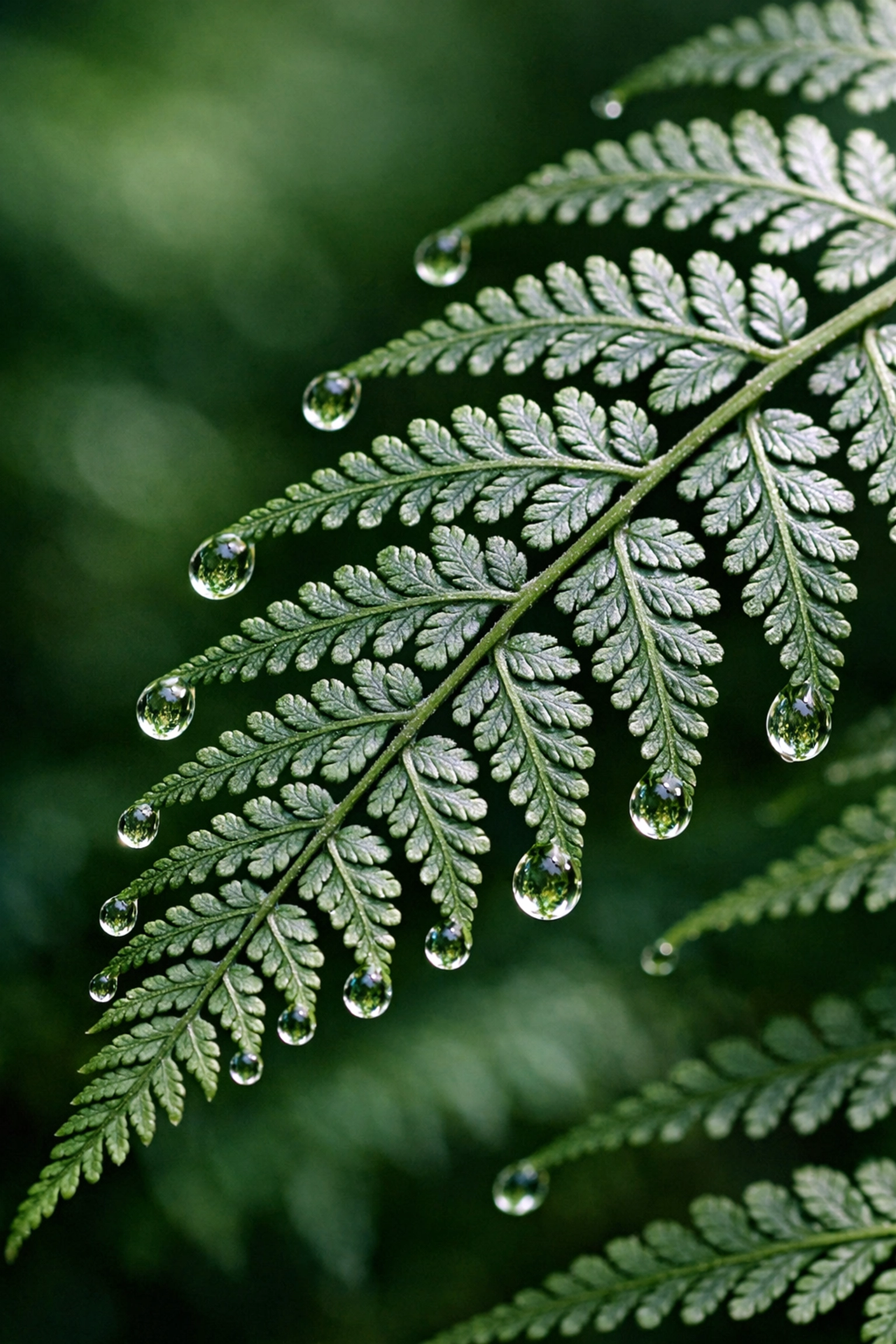
- Fractal Patterns: Nature is full of "fractals": complex patterns that repeat at different scales (like the veins in a leaf mirroring the branches of a tree). Looking at fractals has been shown to reduce stress levels by up to 60% because the human eye is biologically tuned to process these shapes with minimal effort.
How to Practice Forest Bathing: The Professional Protocol
To get the "Ultimate Guide" results, you can't just walk through the woods while checking your smartwatch. You need a structured approach to maximize the biological benefits.
- Device Disconnection: Turn your phone off completely. Even having it on "vibe" creates a "phantom notification" anxiety that keeps your cortisol elevated.
- Sensory Engagement (The 5-4-3-2-1 Method):
- Sight: Look for the smallest details: the texture of moss, the way light hits a spiderweb.
- Sound: Listen to the layers of bird calls. Which ones are close? Which are far?
- Smell: Crush a needle from a pine tree or smell the damp earth (geosmin).
- Touch: Feel the temperature of the air on your skin or the roughness of tree bark.
- Taste: (Optional/Safe) Breathe deeply through your mouth to "taste" the humidity and phytoncides.
- The "Snail’s Pace": Move without a destination. If you cover more than a half-mile in an hour, you are going too fast. The goal is presence, not distance.
- Duration: Aim for at least 120 minutes per week. Research suggests this is the "threshold" for significant mental health improvements.
Overcoming "Nature Deficit Disorder" in Urban Areas
Not everyone has access to an old-growth forest. If you live in a high-density city, you can still reap some of the rewards through "Micro-Bathing":
- Pockets of Green: Small botanical gardens or even heavily wooded city parks still release phytoncides, though at lower concentrations.
- Fractal Art and Plants: Keeping indoor plants and viewing high-resolution images of nature can trigger a "diet" version of the relaxation response.
- Essential Oil Diffusion: Diffusing Hinoki or Cypress oil can simulate the chemical inhalation of a forest environment.
Conclusion: The Ultimate Prescription
As we navigate the complexities of 2026, we must stop viewing nature as a luxury and start viewing it as a biological necessity. Forest bathing isn't a "soft" wellness practice; it is a hard-science intervention for a high-stress world.
The next time you feel the walls closing in, or the "brain fog" of a ten-hour Zoom marathon setting in, don't reach for another cup of coffee or a scrolling session. Reach for your walking shoes. The forest is waiting to balance your chemistry.
About the Author: Malibongwe Gcwabaza
CEO of blog and youtube
Malibongwe Gcwabaza is a visionary leader and wellness advocate dedicated to exploring the intersection of human performance, biology, and technology. With a focus on sustainable health and "Deep Dive" education, Malibongwe leads blog and youtube in providing high-authority content that helps modern professionals navigate the challenges of the digital age. When not at the helm of the company, you can find him practicing what he preaches: engaging in forest bathing and bio-hacking his way to a longer, healthier life.
About the Author