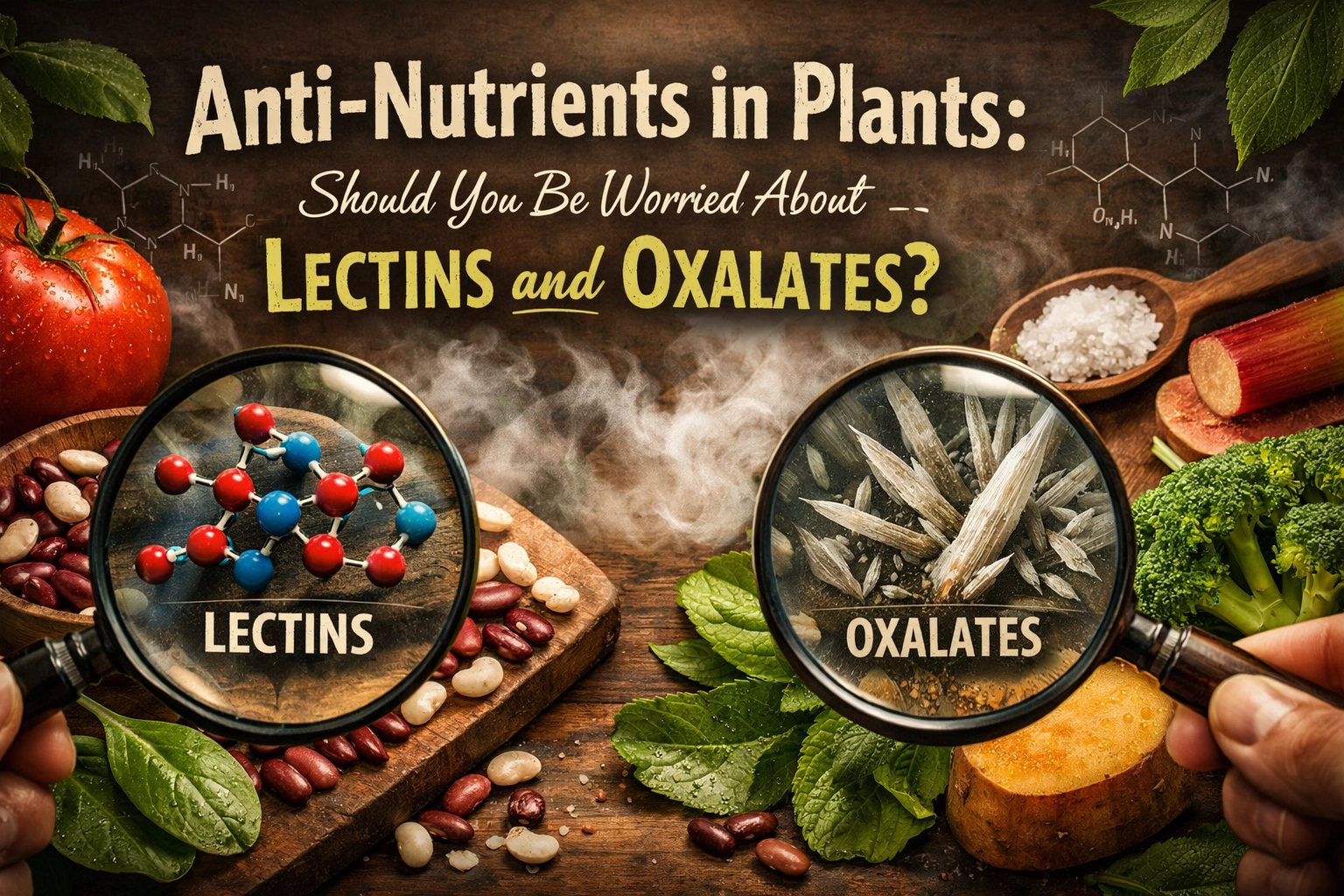
If you’ve spent any time on "Wellness Twitter" or followed the latest biohacking trends, you’ve likely heard a scary new term: anti-nutrients. Specifically, lectins and oxalates have been branded as the hidden villains in your salad bowl. Critics claim these compounds tear holes in your gut, steal your minerals, and cause everything from brain fog to chronic inflammation.
But here’s the paradox: the very foods containing these "toxins": legumes, leafy greens, nuts, and whole grains: are the same ones that every long-term longevity study identifies as the foundation of a healthy life.
So, are we slowly poisoning ourselves with spinach and beans, or is the anti-nutrient alarmism just another case of nutritional reductionism? This guide dives deep into the science of lectins and oxalates to help you separate biochemical fact from dietary fiction.
What Exactly Are Anti-Nutrients?
Plants don’t have teeth, claws, or the ability to run away when a predator (or a human) decides to eat them. Instead, they’ve evolved a sophisticated suite of chemical defenses. Anti-nutrients are naturally occurring compounds found in plant seeds, roots, and leaves designed to discourage consumption by insects and animals or to prevent the seed from germinating until conditions are perfect.
In the human body, these compounds are called "anti-nutrients" because they can interfere with the absorption of vitamins and minerals. The most talked-about culprits are:
- Lectins: Proteins that bind to carbohydrates.
- Oxalates (Oxalic Acid): Organic acids that bind to minerals like calcium.
- Phytates (Phytic Acid): Found in grains and seeds, known for binding phosphorus and iron.
- Tannins: Polyphenols that can decrease iron absorption.
While the term sounds ominous, "anti-nutrient" is a bit of a misnomer. In many cases, these compounds actually act as antioxidants and have been shown to provide health benefits when consumed in the context of a whole-food diet.
The Lectin Legend: Are Beans Breaking Your Gut?
Lectins are a family of proteins found in almost all plants, but they are most concentrated in legumes (beans, peanuts, soybeans) and whole grains.
The primary concern with lectins is their ability to bind to the lining of the digestive tract. Because they are "sticky" proteins, high doses of certain raw lectins: like phytohaemagglutinin found in raw kidney beans: can cause severe digestive distress, including vomiting and diarrhea. This is the origin of the "leaky gut" theory associated with lectins.
The Science of Lectin Damage
The theory suggests that lectins bind to the villi in your small intestine, disrupting nutrient absorption and allowing undigested food particles or toxins to "leak" into the bloodstream. This, in turn, is said to trigger autoimmune responses.
However, there is a massive gap between laboratory studies and real-world eating habits:
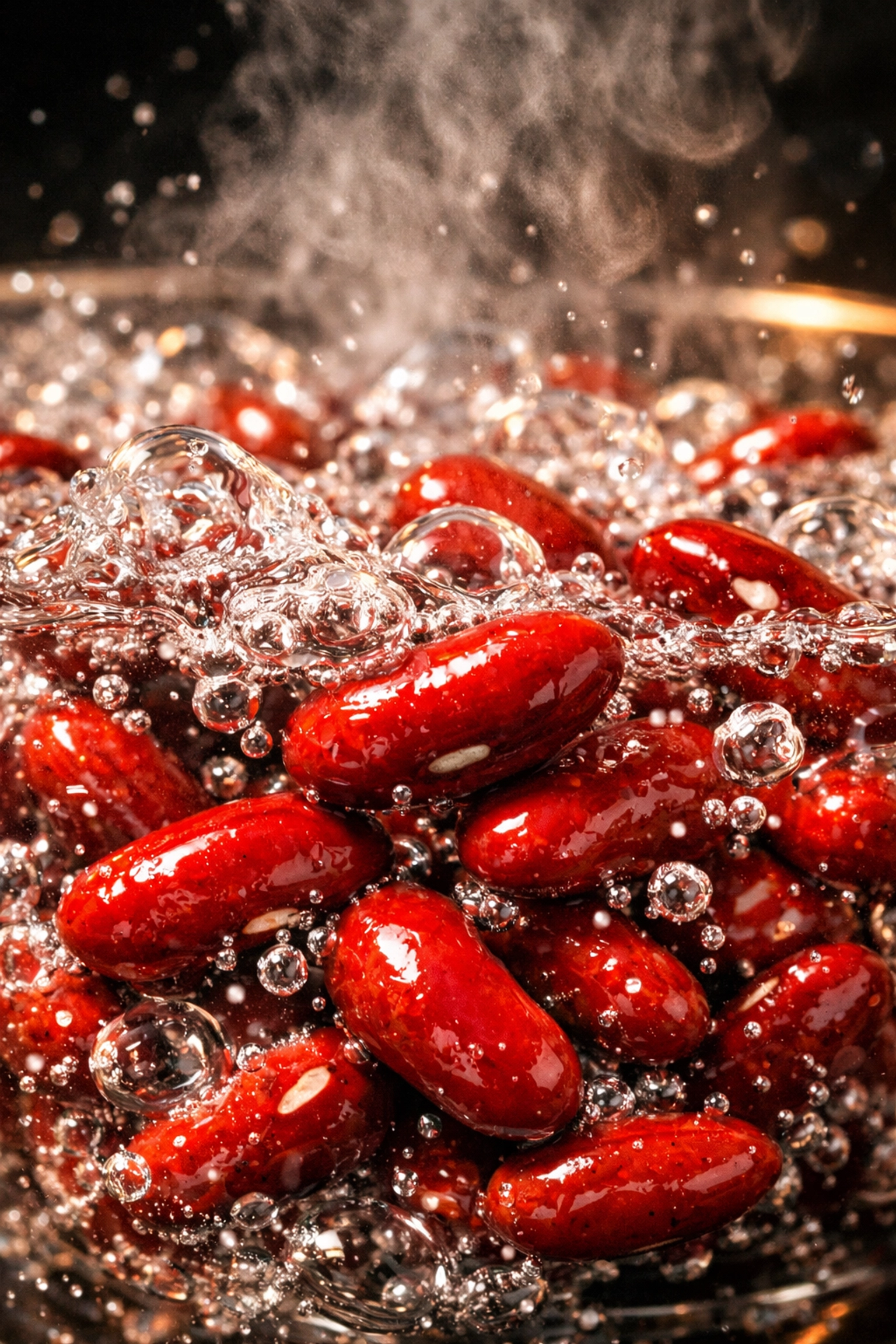
- Heat Destroys Lectins: Most lectins are heat-labile. Boiling beans for as little as 10 minutes reduces lectin activity by over 99%.
- The Dose Makes the Poison: We rarely eat the types of raw plants that contain dangerous levels of active lectins.
- Human Adaptation: Our gut microbiome and the protective mucus lining of our intestines are remarkably efficient at handling the small amounts of lectins that survive the cooking process.
Oxalates and the Kidney Stone Connection
Oxalates are a different beast. Found in high concentrations in spinach, rhubarb, beets, almonds, and chocolate, oxalates bind to minerals: specifically calcium: to form calcium oxalate.
The main concern here isn't "leaky gut," but rather:
- Mineral Deficiency: If oxalates bind to calcium in your gut, you don't absorb that calcium.
- Kidney Stones: About 80% of kidney stones are composed of calcium oxalate. When oxalate levels are too high in the urine, they can crystallize into painful stones.
Should You Ditch the Spinach?
For the average healthy person, the answer is no. Research indicates that dietary oxalate only accounts for about 10–15% of the oxalate found in the urine of people who form stones; the rest is produced endogenously (by your own body).
The real risk factor isn't just "eating oxalates": it's a combination of high oxalate intake, low calcium intake, and dehydration. When you eat calcium-rich foods alongside oxalate-rich foods, the two bind together in the stomach or intestines before they reach the kidneys. This allows them to pass safely through your stool rather than crystallizing in your urinary tract.
Data-Driven Insight: The Impact of Food Preparation
The most important takeaway for anyone worried about anti-nutrients is that humans have been using "processing" techniques for millennia to neutralize these compounds. We don't eat raw dried beans; we soak, rinse, and boil them.
The following table shows the average reduction of anti-nutrients based on common preparation methods:
| Method | Anti-Nutrient Target | Average Reduction |
|---|---|---|
| Soaking (12-24 hours) | Phytic Acid / Lectins | 20% – 50% |
| Boiling (15+ mins) | Lectins / Oxalates | 80% – 95% |
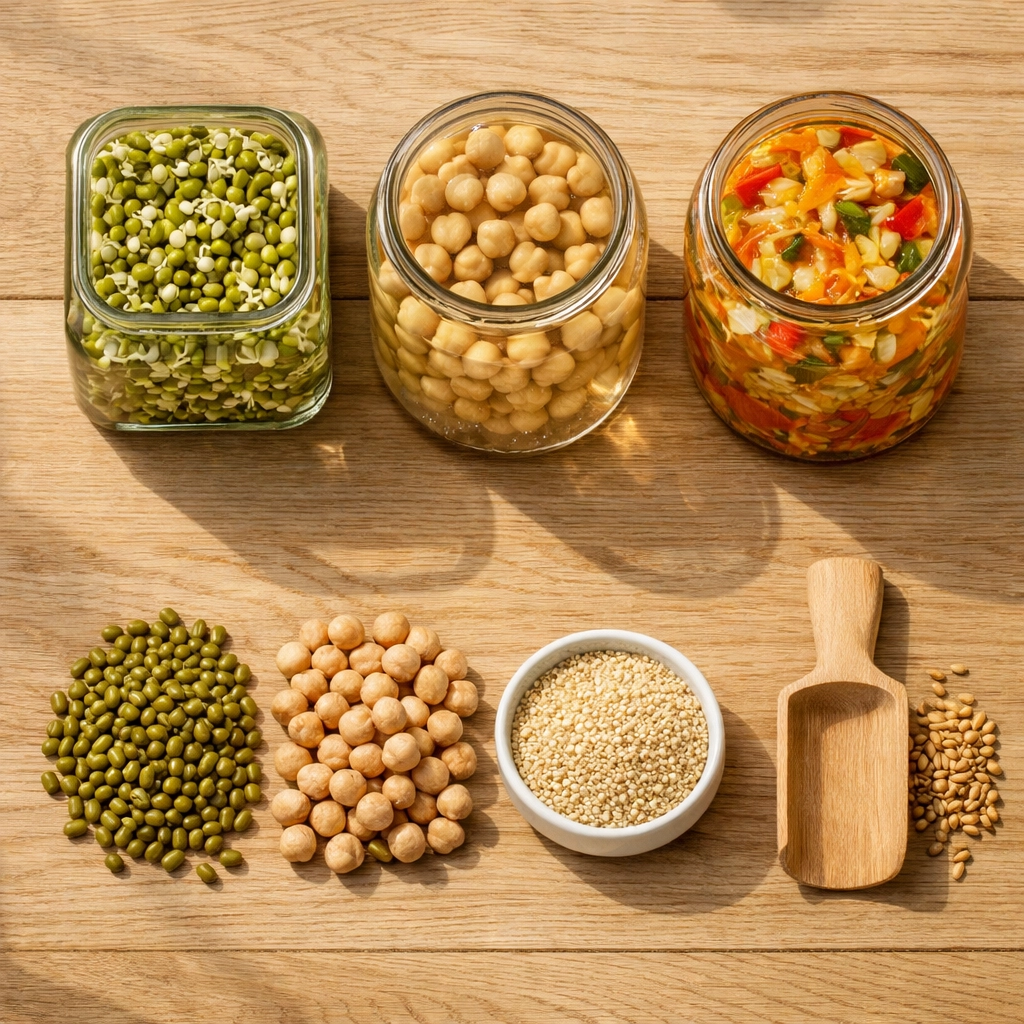
| Sprouting | Phytic Acid | 30% – 60% |
| Fermentation | Phytic Acid / Lectins | 70% – 90% |
| Pressure Cooking | Lectins | 90% – 99% |
Data compiled from various nutritional biochemistry reviews (2014-2022).
The "Food Matrix" and Longevity
If anti-nutrients were as dangerous as some influencers claim, we would see higher rates of chronic disease among vegetarians and populations consuming high-legume diets (like those in the Blue Zones).
Instead, we see the opposite.
Large-scale meta-analyses consistently show that diets rich in legumes and whole grains are associated with lower risks of:
- Type 2 Diabetes
- Cardiovascular Disease
- Certain Cancers (specifically colorectal)
- Overall Mortality
This is due to the Food Matrix. While a bean contains lectins, it also contains fiber, resistant starch, potassium, magnesium, and phytonutrients. These beneficial compounds far outweigh the theoretical "cost" of the lectins. In fact, some studies suggest that lectins might have anti-cancer properties by binding to cancer cells and inhibiting their growth.
Who Should Actually Be Careful?
While most people don't need to worry, there are three specific groups who should manage their anti-nutrient intake more closely:
- Chronic Kidney Disease (CKD) Patients: Those with a history of calcium-oxalate kidney stones should follow a low-oxalate diet as prescribed by their urologist.
- Severe IBD/IBS Sufferers: People with compromised gut linings (Crohn’s or Ulcerative Colitis) may find that certain high-lectin foods aggravate their symptoms. This isn't necessarily because lectins are "toxic," but because the gut is already in a state of hyper-sensitivity.
- Anemics: If you struggle with severe iron deficiency, the phytates in whole grains and legumes can hinder non-heme iron absorption. For these individuals, soaking grains and adding Vitamin C (which counteracts phytates) to meals is crucial.
How to Optimize Your Plant Intake
You don't need to go "lectin-free" to be healthy. You just need to be smart about how you prepare your food. Follow these simple steps to get the benefits of plants without the anti-nutrient baggage:
- Always Soak and Rinse: Never cook beans straight from the bag. Soak them for at least 12 hours, discarding the water before cooking.
- Embrace the Pressure Cooker: If you’re worried about lectins, a pressure cooker (like an Instant Pot) is your best friend. It uses high heat and pressure to denature almost all lectin proteins.
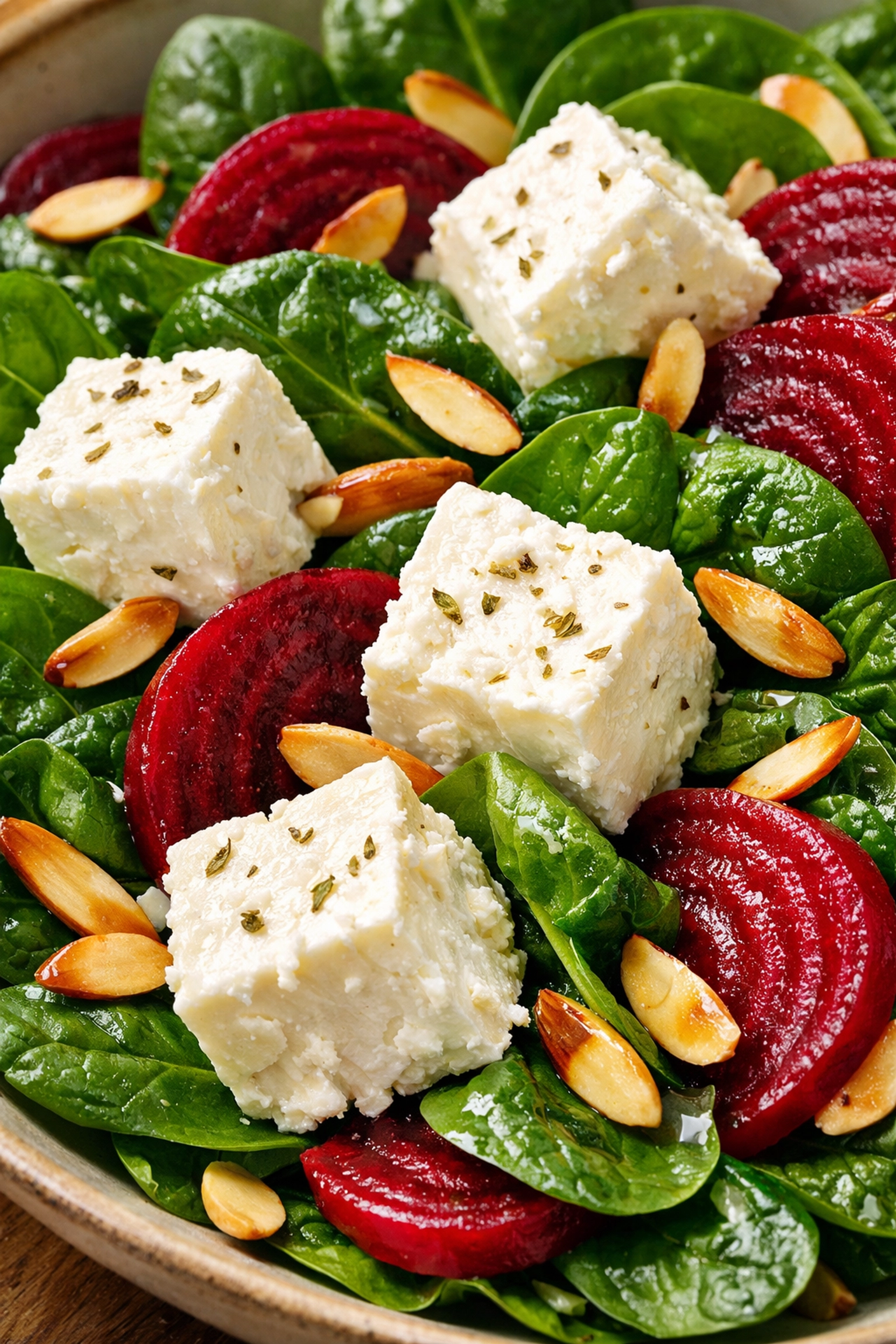
- Pair Oxalates with Calcium: Having a spinach salad? Toss in some feta cheese or a handful of almonds. The calcium in the cheese/nuts binds the oxalates in the spinach.
- Boil Over Steam: If you are highly sensitive to oxalates, boiling greens and discarding the water is more effective at reducing oxalate content than steaming.
- Diversify Your Diet: Don't eat the same three vegetables every day. Rotating your greens and grains ensures you aren't getting a massive, repetitive dose of any single anti-nutrient.
Summary: Fear vs. Reality
The "anti-nutrient" narrative is a classic example of taking a laboratory mechanism and blowing it out of proportion for the sake of selling books or supplements. While lectins and oxalates are technically "anti-nutrients," their impact on human health is overwhelmingly neutral or even positive when consumed as part of a varied, cooked, whole-food diet.
The science is clear: the risk of nutrient deficiency from avoiding these fiber-rich, nutrient-dense plant foods is much higher than the risk of "damage" from the anti-nutrients themselves.
Author Bio: Malibongwe Gcwabaza
CEO of blog and youtube
Malibongwe Gcwabaza is the founder and CEO of blog and youtube, a digital media company dedicated to making complex health, wellness, and technology topics accessible to everyone. With a background in data-driven strategy and a passion for holistic health, Malibongwe focuses on cutting through the noise of the wellness industry to provide evidence-based insights. When he isn't analyzing the latest health trends or overseeing content production, he enjoys exploring the intersection of nutrition and peak performance. He believes that "simple is better," a philosophy he applies to both his business operations and his approach to a healthy lifestyle.
About the Author