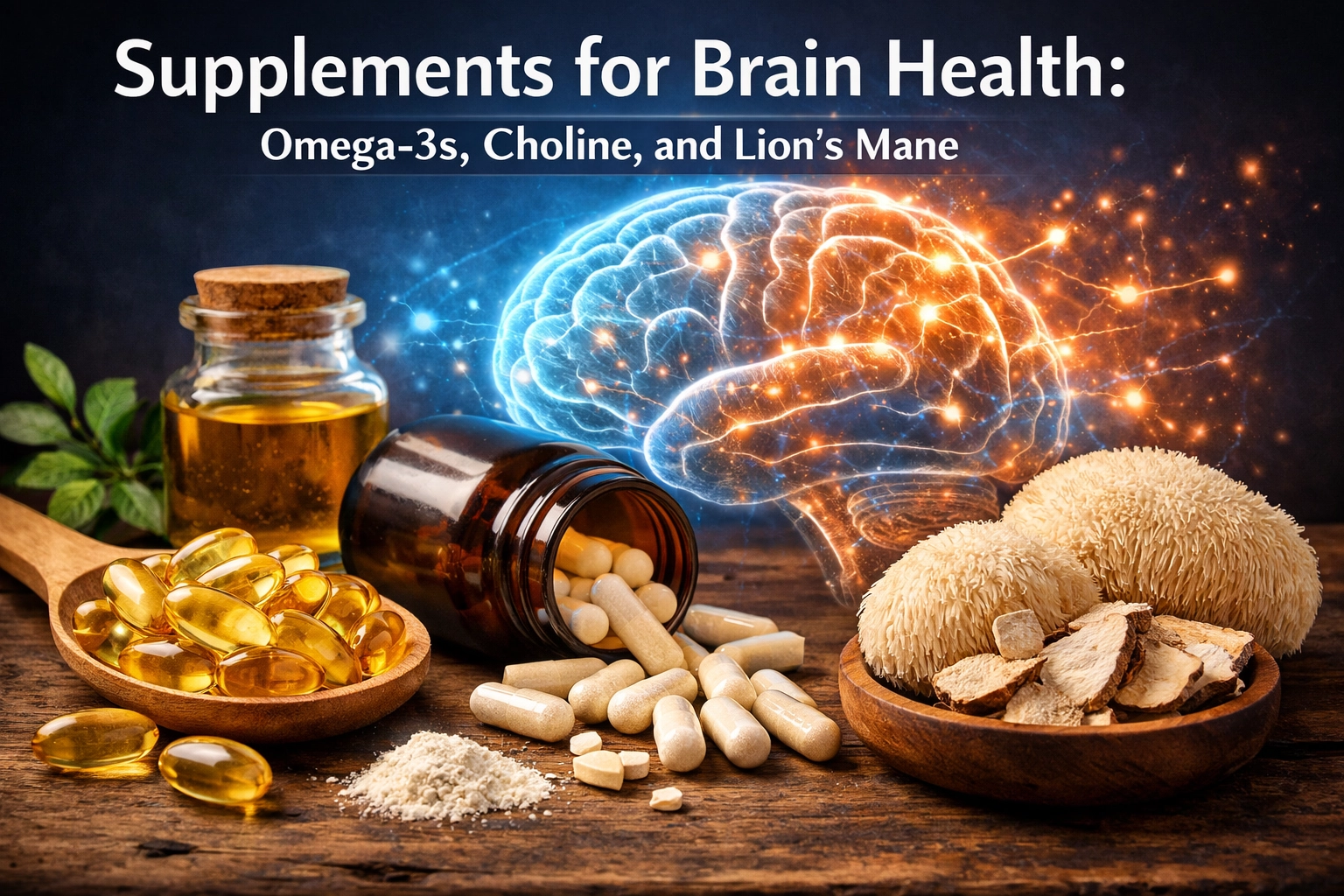
By 2026, the conversation around health has shifted from merely living longer to "Healthspan": the period of life spent in good health. At the center of this movement is neuro-optimization. We are no longer satisfied with a brain that simply "functions"; we want a brain that thrives, stays sharp under pressure, and resists the structural decay associated with aging.
While lifestyle factors like sleep and exercise are non-negotiable, nutritional pharmacology: specifically targeted supplementation: has emerged as a critical pillar for maintaining cognitive edge. Three compounds have stood the test of rigorous clinical scrutiny and "real-world" bio-hacking results: Omega-3 fatty acids, Choline, and the medicinal mushroom Lion’s Mane.
This guide explores the biochemical mechanisms, data-backed benefits, and optimal protocols for these "Big Three" brain boosters.
1. Omega-3 Fatty Acids: The Structural Foundation
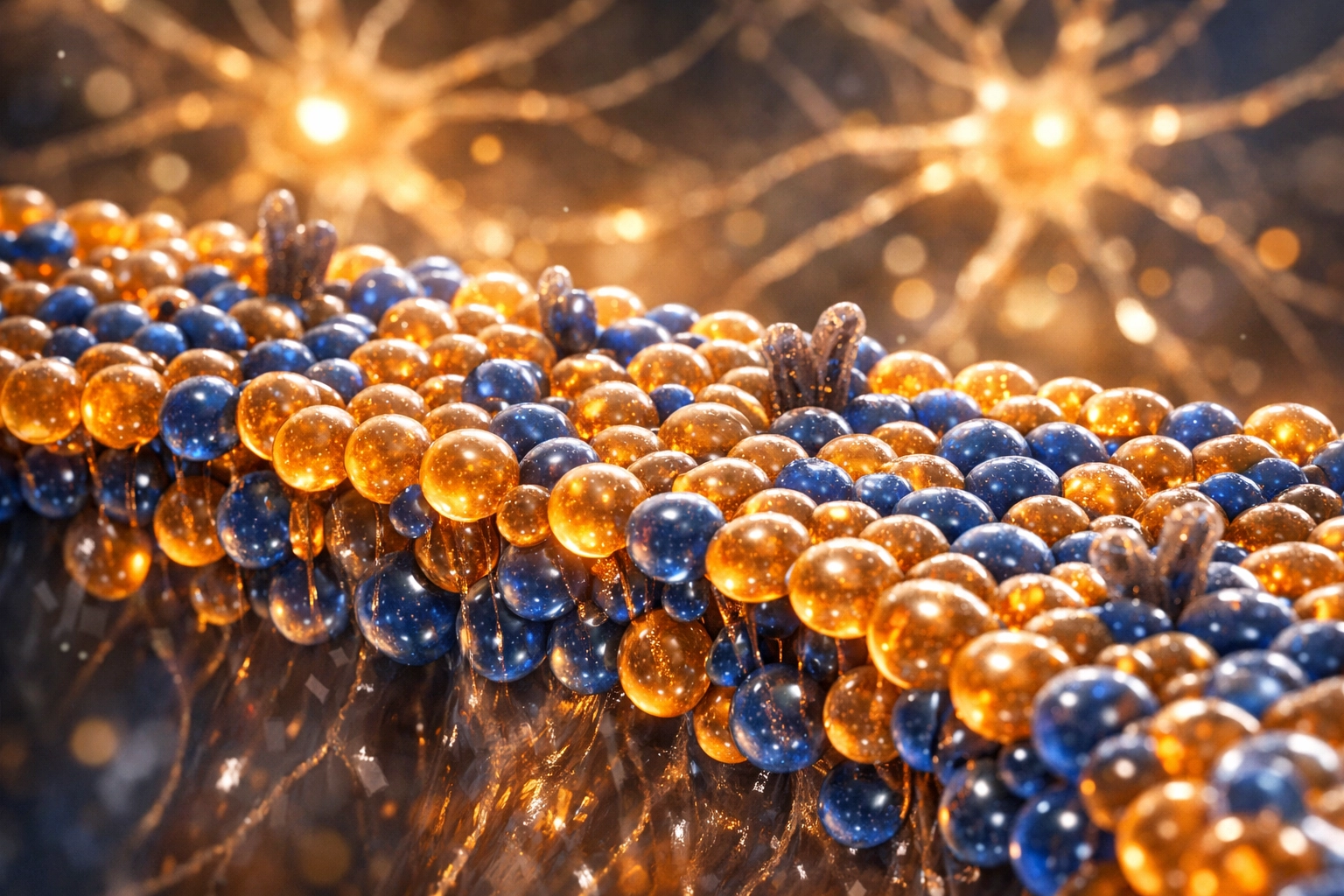
Omega-3s are not just "good fats"; they are integral components of your brain’s architecture. Roughly 60% of the human brain is composed of fat, and a significant portion of that is Docosahexaenoic acid (DHA).
The DHA vs. EPA Balance
While there are several types of Omega-3s, two are paramount for cognitive health:
- DHA (Docosahexaenoic Acid): This is the structural building block. It resides in the cell membranes of neurons, facilitating fluid communication between synapses. High levels of DHA are correlated with better memory and a lower risk of neurodegenerative diseases.
- EPA (Eicosapentaenoic Acid): This is the "firefighter." EPA is primarily responsible for reducing neuro-inflammation. Chronic brain inflammation is a leading driver of brain fog, depression, and cognitive decline.
2026 Research Insights
Recent longitudinal studies in 2026 have reinforced the "structural" value of Omega-3s. Data shows that individuals with higher Omega-3 indices (the amount of EPA and DHA in red blood cells) possess significantly larger hippocampal volumes. The hippocampus is the region of the brain responsible for learning and memory formation.
Furthermore, research indicates that Omega-3 supplementation can improve executive function: the ability to plan, focus, and multitask: by as much as 26% in older adults compared to placebo groups. For carriers of the APOE4 gene (a risk factor for Alzheimer's), high-dose Omega-3s have shown a protective effect against small-vessel disease in the brain.
2. Choline: The Fuel for Neurotransmission
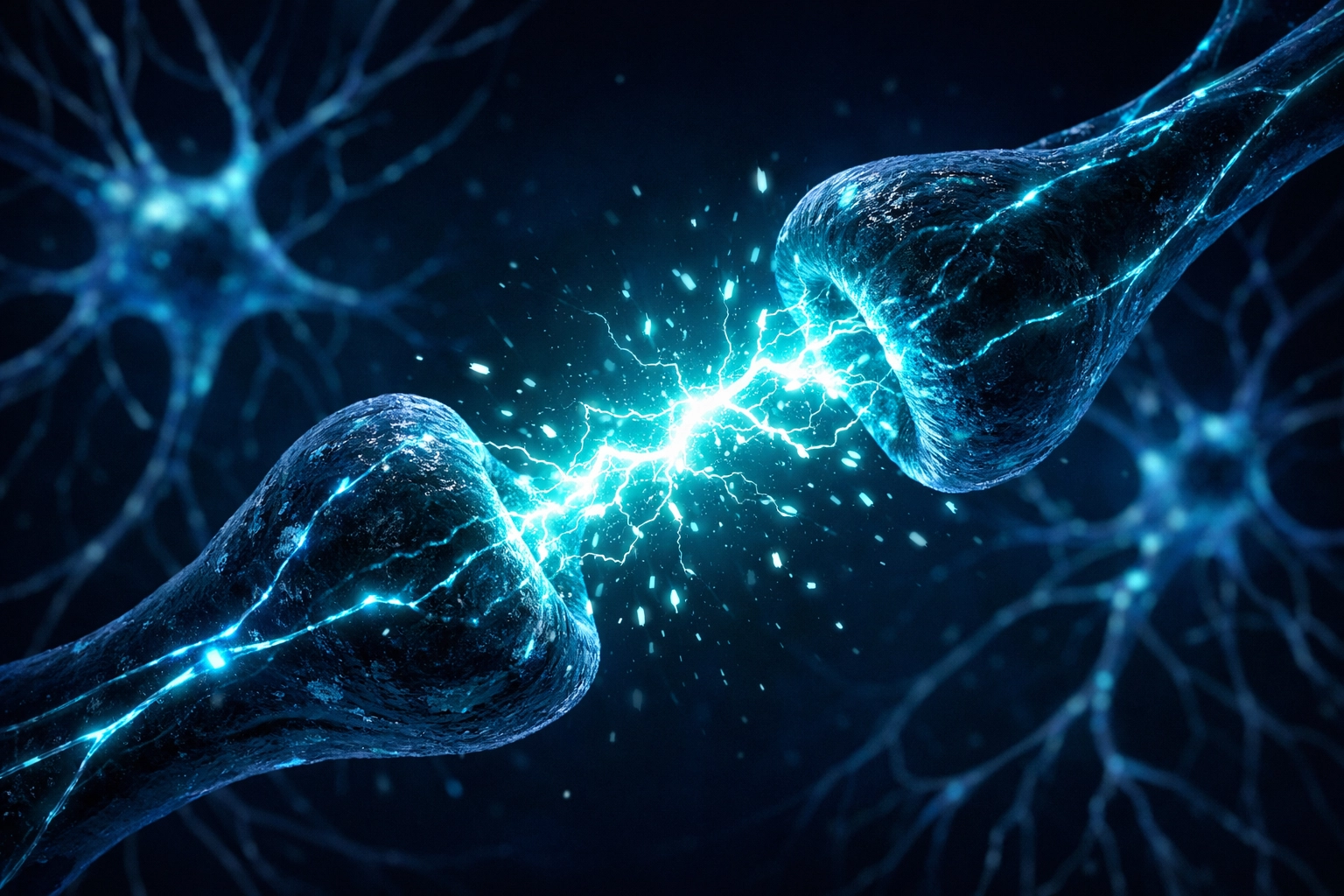
If Omega-3s provide the "wiring," Choline provides the "electricity." Choline is an essential nutrient that the brain uses to produce Acetylcholine, a primary neurotransmitter involved in memory, mood, and muscle control.
Why Most People Are Deficient
Despite its importance, over 90% of the population does not meet the recommended intake for choline. While eggs and liver are rich sources, the modern diet often falls short. In the context of 2026 performance standards, "sufficient" is no longer the goal; "optimal" is.
Comparison of Choline Sources
Not all choline supplements are created equal. Their ability to cross the blood-brain barrier (BBB) varies significantly:
| Choline Form | BBB Permeability | Primary Benefit |
|---|---|---|
| Choline Bitartrate | Low | General liver health; limited cognitive impact. |
| Alpha-GPC | High | Rapidly increases acetylcholine; great for focus and power output. |
| CDP-Choline (Citicoline) | High | Provides choline + Cytidine; supports brain energy and repair. |
| Phosphatidylcholine | Medium | Good for long-term cell membrane integrity. |
The Mechanism of Action
When you ingest a high-quality source like Alpha-GPC or Citicoline, you are providing the raw materials for your brain to build and maintain its communication network. This results in faster processing speeds and improved "word recall": that feeling of having the right word on the tip of your tongue.
3. Lion’s Mane: The Gardener of the Brain
Lion’s Mane (Hericium erinaceus) is a medicinal mushroom that has transitioned from traditional Eastern medicine to the forefront of modern neurology. Unlike most supplements that merely protect cells, Lion’s Mane has the unique ability to help the brain grow.
Nerve Growth Factor (NGF) and Erinacines
The "secret sauce" of Lion’s Mane lies in two groups of compounds: hericenones and erinacines. These compounds stimulate the production of Nerve Growth Factor (NGF), a protein that plays a vital role in the maintenance, survival, and regeneration of neurons.
Cognitive Repair and Plasticity
Lion's Mane acts as a "neuro-regenerative" agent. 2026 clinical trials have focused on its impact on:
- Myelination: It supports the development of the myelin sheath, the protective coating around nerves that allows electrical impulses to transmit quickly.
- Mild Cognitive Impairment (MCI): Consistent use has shown measurable improvements in cognitive scales for those experiencing early-stage memory loss.
- Anxiety and Depression: By reducing inflammation and promoting hippocampal neurogenesis (the birth of new neurons), it serves as a potent tool for emotional regulation.

4. Building the Synergistic "Brain Stack"
Taking these supplements in isolation is beneficial, but combining them creates a synergistic effect that addresses the brain from three distinct angles: structure, fuel, and growth.
The 2026 Optimization Protocol
For a high-performing professional or someone looking to preserve cognitive health, a daily stack might look like this:
- Morning:
- Alpha-GPC (300mg): For immediate morning focus and neurotransmitter "priming."
- Lion’s Mane (500mg – Dual Extract): To kickstart NGF production for the day.
- With Lunch (High-Fat Meal):
- Omega-3 (2g total EPA/DHA): Fat-soluble nutrients require dietary fat for maximum absorption.
- Evening:
- CDP-Choline (250mg): To support brain repair and membrane health during sleep.
A Note on Quality and Sourcing
In the "Wellness Era" of 2026, the market is flooded with low-quality fillers. To ensure you are getting "AdSense-quality" results (and not just expensive urine), look for:
- Omega-3: Third-party testing (IFOS) for heavy metals and oxidation (rancidity).
- Choline: Transparent labeling: avoid "proprietary blends" that hide the actual dosage of Alpha-GPC.
- Lion's Mane: Ensure the label specifies "fruiting body" or "dual extract." Mycelium grown on grain is often mostly starch and lacks the active compounds needed for NGF stimulation.
5. Potential Side Effects and Safety
While these supplements are generally recognized as safe (GRAS), they are potent biological modifiers.
- Omega-3s: Can have a blood-thinning effect at very high doses (above 4g). Consult a doctor if you are on anticoagulants.
- Choline: Excessive intake can lead to "choline depression" in some individuals (manifesting as irritability or low mood) or a "fishy" body odor. Start with a lower dose to assess tolerance.
- Lion’s Mane: Generally very well-tolerated, though individuals with mushroom allergies should exercise caution.
Summary
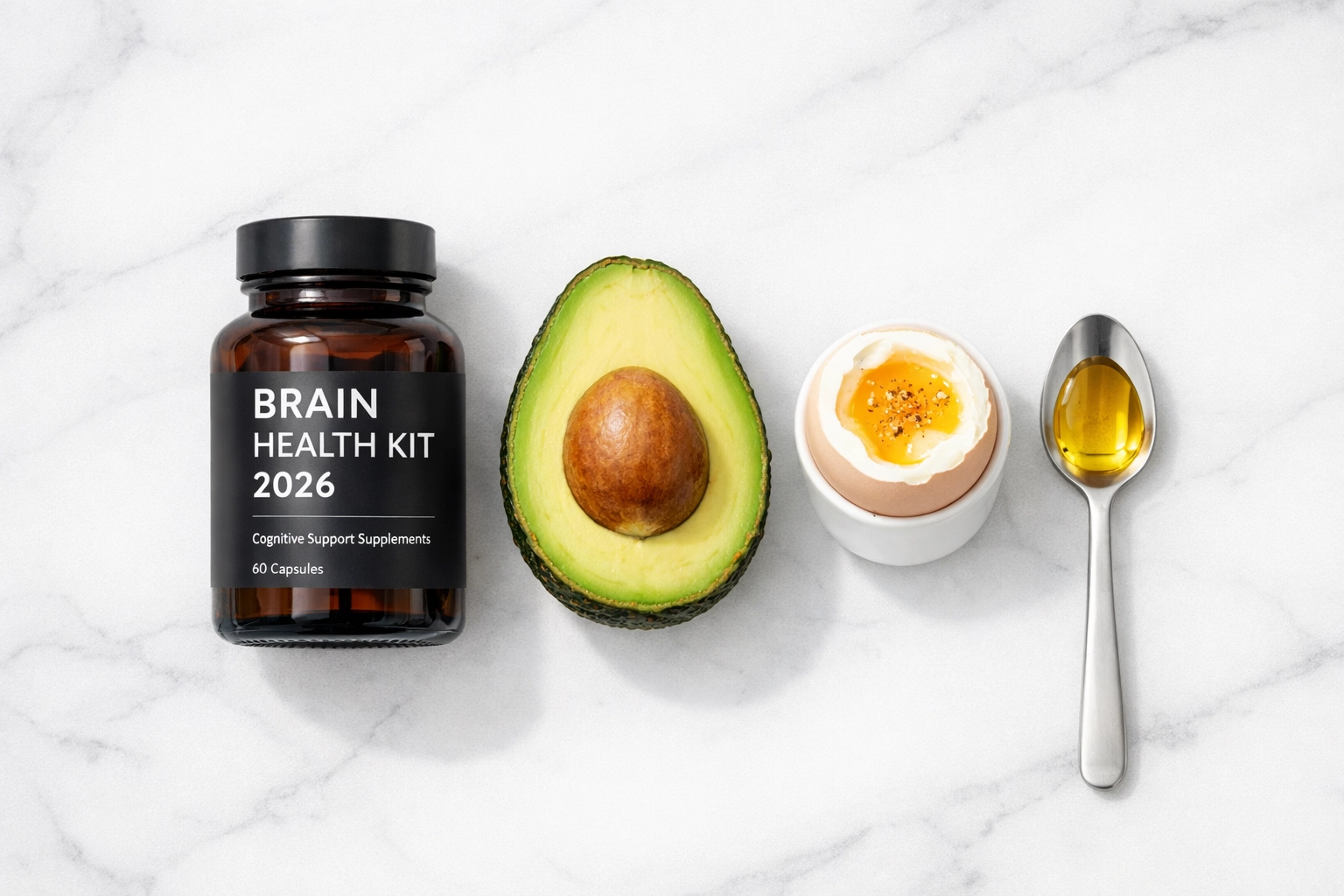
Optimizing brain health in 2026 requires a proactive, data-driven approach. By combining the structural support of Omega-3s, the neuro-chemical fuel of Choline, and the regenerative power of Lion’s Mane, you are essentially providing your brain with the ultimate insurance policy. These aren't just "vitamins"; they are the tools required for a sharp, resilient, and high-functioning mind that can navigate the complexities of the modern world.
About the Author: Malibongwe Gcwabaza
CEO & Wellness Strategist
Malibongwe Gcwabaza is the CEO of blog and youtube, a leading digital platform dedicated to the intersection of longevity, fitness technology, and bio-optimization. With a background in executive leadership and a passion for high-performance living, Malibongwe spends his time deconstructing complex health data to provide actionable insights for the modern professional. He believes that the future of human potential lies in the marriage of ancient wisdom and 2026 cutting-edge science.
About the Author