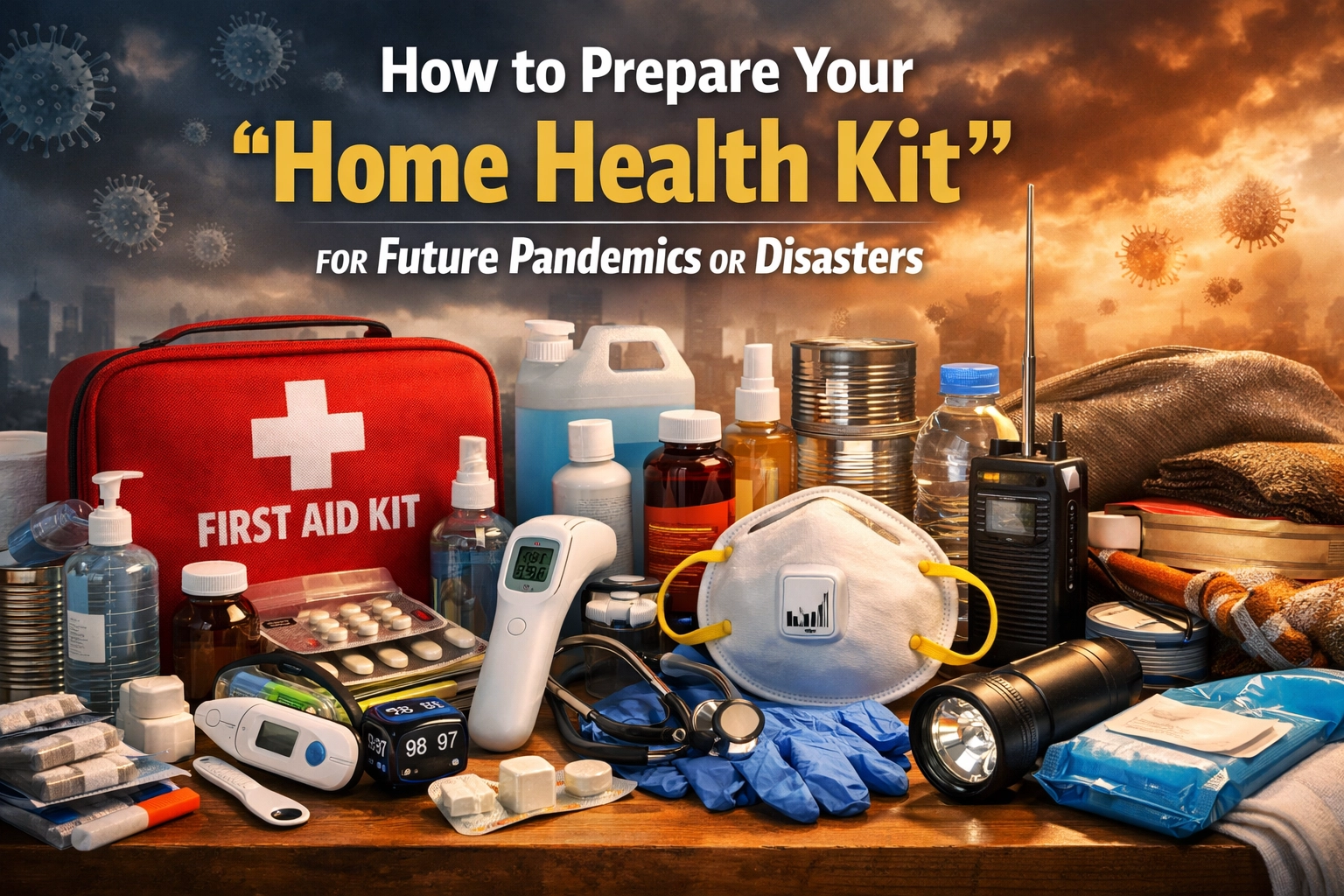
Recent history has shifted the concept of "preparedness" from a niche hobby to a baseline requirement for responsible living. When a global health crisis or natural disaster hits, the time for planning has already passed. True resilience depends on a "Home Health Kit" (HHK): a curated, high-utility inventory that ensures your household remains functional when external supply chains and medical systems are under strain.
This guide moves beyond the generic "buy a few cans of beans" advice. We are looking at a technical, data-driven approach to medical, nutritional, and logistical self-sufficiency.
The Framework of the Home Health Kit (HHK)
A professional-grade HHK is built on the "Rule of Three" and tiered response levels. Your kit should be scalable, covering everything from a 72-hour power outage to a 3-month localized quarantine.
According to data from FEMA’s 2021 National Household Survey, while 68% of people have gathered supplies, only a fraction maintain a kit that addresses specific medical and sanitation needs required during a pandemic. To be in the top 1% of prepared households, you need to categorize your supplies into five critical pillars: Medical/First Aid, Nutritional Security, Sanitation/PPE, Communication/Power, and Documentation.
1. The Medical Core: Beyond Basic Bandages
In a disaster scenario, hospital emergency rooms are the last place you want to be. Your HHK must be capable of treating minor trauma and managing chronic conditions without external help.
Prescription Management
You should aim for a 14-to-30-day "buffer" supply of all maintenance medications (blood pressure, insulin, etc.). Work with your physician to discuss "emergency prescriptions" or look into services that provide backup supplies of essential meds.
The OTC Arsenal
Don't just buy a bottle of aspirin. You need specific therapeutic classes:
- Analgesics/Antipyretics: Acetaminophen and Ibuprofen for pain and fever (vital for viral infections).
- Gastrointestinal: Loperamide (anti-diarrheal) and Famotidine (H2 blocker/antacid). Dehydration from GI issues is a leading cause of complication during disasters.
- Antihistamines: Diphenhydramine (Benadryl) for allergic reactions and sleep aid.
- Topical Agents: Bacitracin or Neosporin, and 70% Isopropyl alcohol.
Advanced First Aid
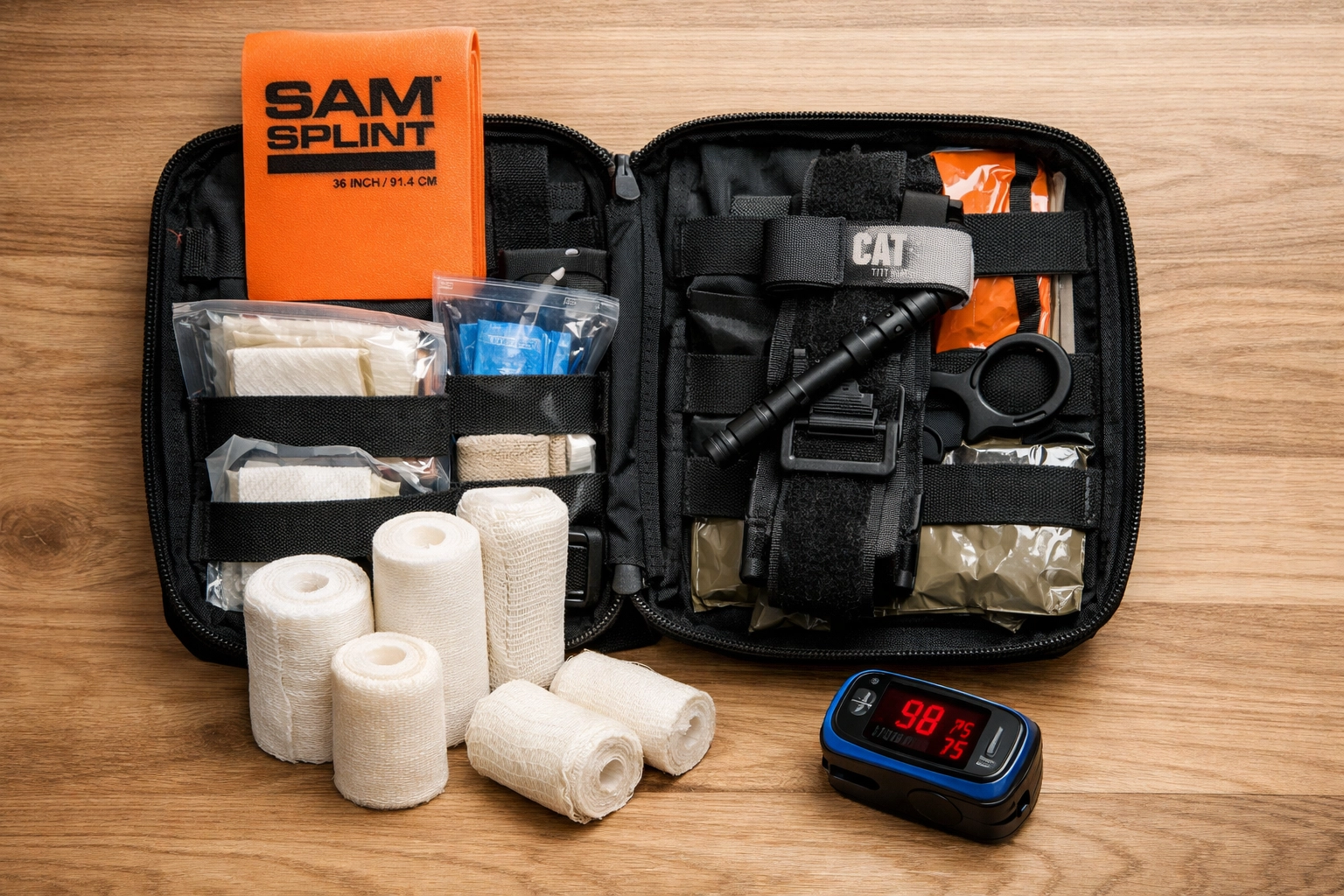
Skip the "all-in-one" kits from the grocery store. Build your own using professional-grade components:
- Hemostatic Gauze: (e.g., QuikClot) for stopping heavy bleeding.
- Tourniquet: A genuine CAT (Combat Application Tourniquet) is essential.
- Splinting: A SAM splint is lightweight and versatile for bone/joint injuries.
- Pulse Oximeter: In a pandemic, monitoring oxygen saturation (SpO2) is the difference between staying home and needing a ventilator.
2. Nutritional Security and Hydration
During a pandemic or disaster, "food" isn't just about calories; it’s about metabolic health. High-sodium canned goods can worsen hypertension, and low-protein diets can weaken the immune system.
Water: The 1.5 Gallon Standard
The CDC recommends 1 gallon per person per day. However, for a "Health Kit," you should aim for 1.5 gallons to account for hygiene and medical cleaning.
- Storage: Use BPA-free containers. Rotate water every 6 months.
- Purification: Have a two-stage backup.
- Mechanical: A filter like the Sawyer Squeeze (0.1 micron).
- Chemical: Sodium dichloroisocyanurate tablets (Aquatabs) or unscented liquid bleach.
Macronutrient-Balanced Food Supply
Focus on shelf-stable foods that require no cooking (in case of utility failure).
- Proteins: Canned wild-caught fish, beans, and nut butters.
- Complex Carbs: Rolled oats, quinoa, and brown rice (if you have a heat source).
- Micronutrients: Multivitamins are essential if fresh produce is unavailable for more than 14 days.
| Item | Quantity (Per Person/14 Days) | Purpose |
|---|---|---|
| Water | 21 Gallons | Hydration & Hygiene |
| Canned Protein | 28 Servings | Muscle retention/Immunity |
| Electrolyte Powder | 14 Packets | Rehydration during illness |
| Multivitamins | 14 Units | Nutrient gap bridging |
3. Sanitation and Pathogen Mitigation (PPE)
This is the most overlooked section of a standard disaster kit, but the most vital during a pandemic. If the sewage system fails or a virus is spreading, sanitation is your primary defense.
The PPE Tier List
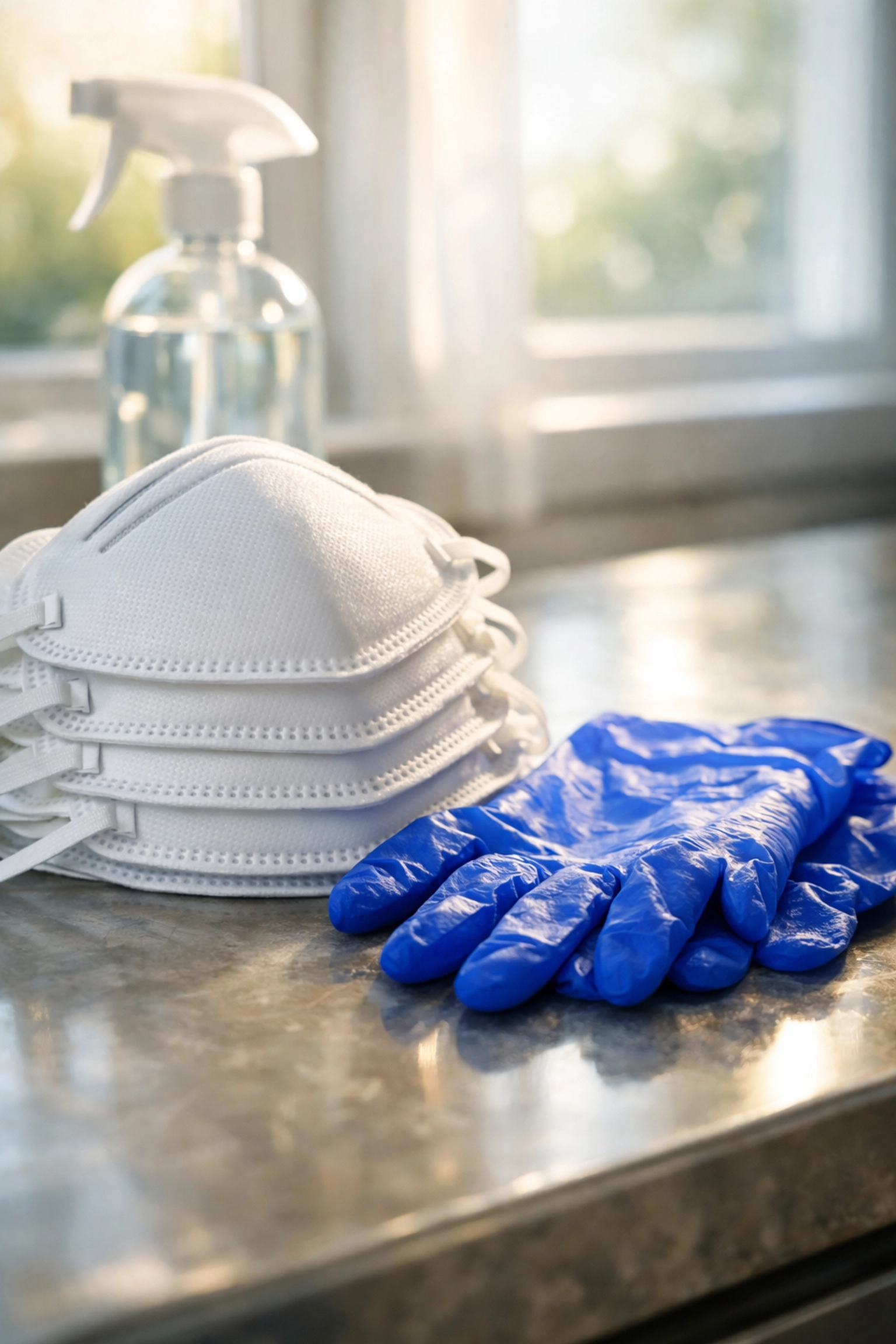
- N95/FFP3 Respirators: Surgical masks protect others; N95s protect you. Ensure you have at least 20 per person.
- Nitrile Gloves: Avoid latex due to allergies. Keep a box of 100.
- Eye Protection: Wraparound safety glasses or face shields to prevent droplet transmission.
Disinfection Protocols
Stock high-concentration bleach and understand the dilution ratios. A 1:10 bleach-to-water ratio is the gold standard for disinfecting hard surfaces against heavy viral loads.
- Hand Hygiene: Stock 60%+ alcohol-based hand sanitizer.
- Waste Management: Large heavy-duty trash bags and "bucket toilets" (a 5-gallon bucket with a snap-on seat) are essential if the water is cut off.
4. Infrastructure: Power, Lighting, and Comms
Information is a medical necessity. Knowing the path of a storm or the status of a quarantine keeps you from making fatal mistakes.
Lighting
- Headlamps: Hands-free light is superior to flashlights for medical tasks.
- Lanterns: LED lanterns provide ambient light, reducing the psychological stress of "darkness."
Power and Communication
- Battery-Powered/Hand-Crank Radio: Specifically an NOAA Weather Radio. This is your only source of truth if the internet goes down.
- Power Banks: A 20,000mAh bank can keep a phone alive for 4-5 days of intermittent use.
- Solar Charging: A portable 21W solar panel allows for long-term power independence.
5. The Document Vault
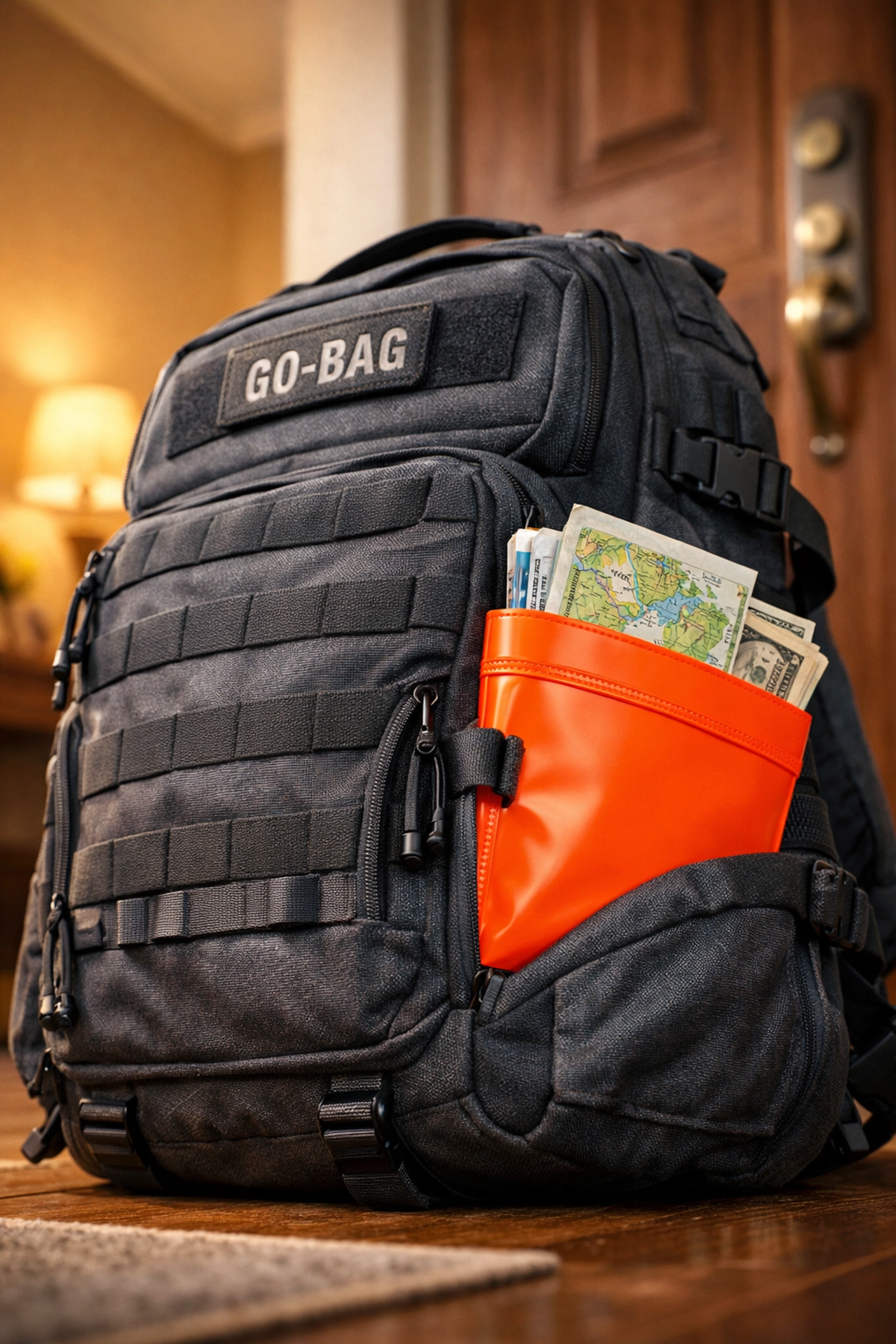
In a crisis, you may need to prove your medical history or identity to emergency workers. Keep a waterproof, fireproof "Go-Bag" folder containing:
- Medical Records: Immunization records, current prescriptions, and a list of allergies.
- Identity: Copies of Passports, IDs, and Birth Certificates.
- Financials: Cash in small denominations ($1s, $5s, $10s). Digital payments fail during power outages.
- Emergency Contacts: A physical list of phone numbers. Don't rely on your phone's contact list if the battery is dead.
Maintenance: The "Quarterly Audit"
A Home Health Kit is not a "set it and forget it" project. Every three months (ideally at the start of each season), you must perform an audit:
- Check Expirations: Rotate medications and food. Most medications remain potent past their expiration, but liquids and certain antibiotics degrade rapidly.
- Battery Health: Check for corrosion. Store batteries outside of devices to prevent leaks.
- Seal Integrity: Ensure masks haven't been crushed and sterile packaging for gauze is still intact.
Final Thoughts
Preparing a Home Health Kit isn't about fear; it's about agency. When you have the tools to manage your own health, hydration, and safety, you reduce the burden on emergency services and give your family the best possible chance of navigating a crisis with minimal trauma.
Start today by securing your "Medical Core" and expanding outward.
About the Author: Malibongwe Gcwabaza
CEO, blog and youtube
Malibongwe Gcwabaza is a strategic leader and advocate for community resilience and digital accessibility. With a background in operations and a passion for streamlined, data-driven solutions, Malibongwe focuses on providing clear, actionable insights that empower individuals to take control of their health and environment. Under his leadership, blog and youtube has become a trusted source for simple yet deep-dive guides on modern survival and wellness.
Disclaimer: This guide is for informational purposes only. Consult with a medical professional when building a medical kit, especially regarding prescription medications and the use of advanced medical equipment.
About the Author