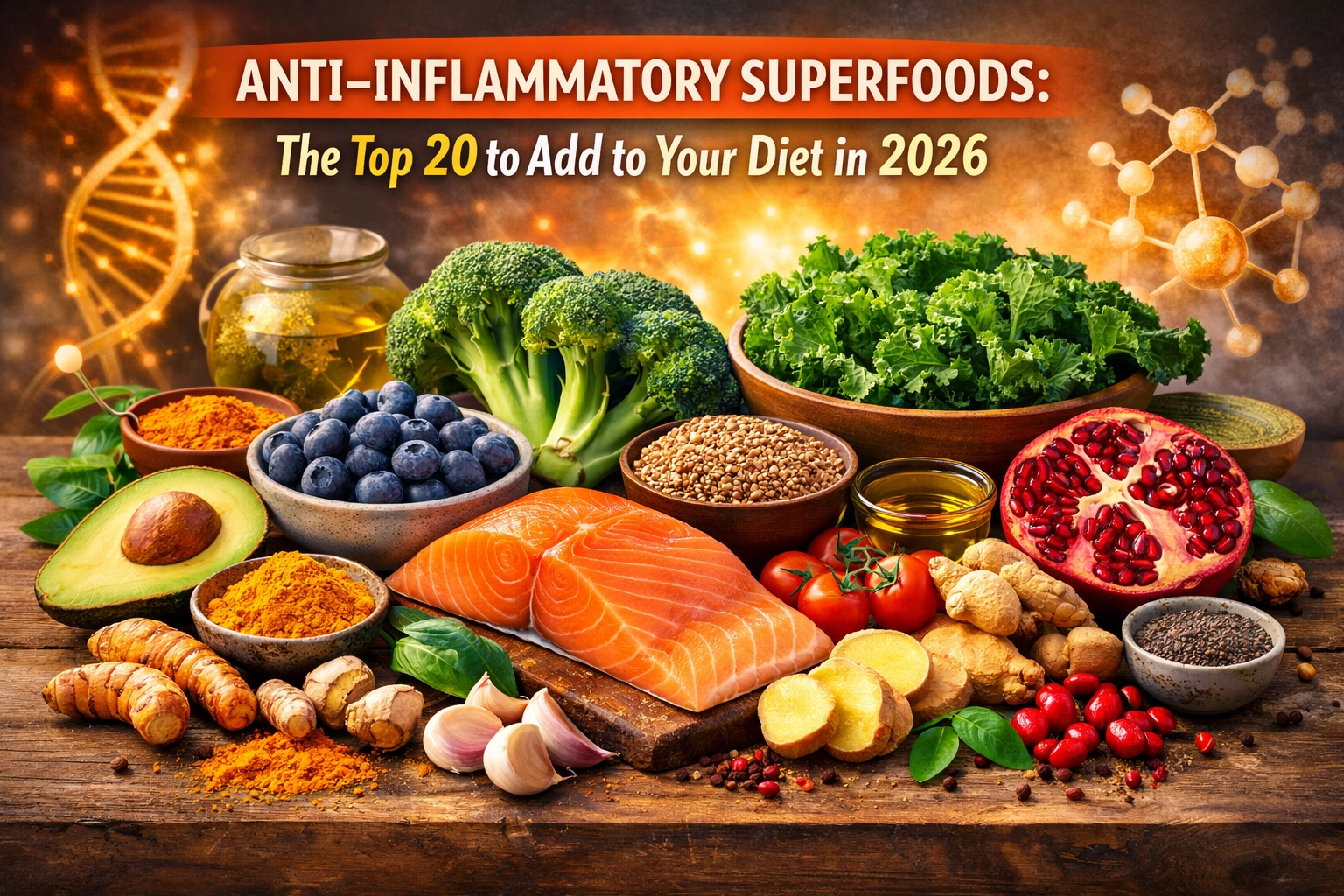
In 2026, we’ve moved past the era of "counting calories" and entered the era of "counting compounds." We now know that chronic, low-grade inflammation: often called "inflammaging": is the primary driver behind almost every modern metabolic disease, from Type 2 diabetes to Alzheimer’s. If you aren't actively eating to dampen your body’s inflammatory response, you’re essentially leaving the front door open for cellular decay.
Inflammation isn't always the villain; in its acute form, it’s how your body heals a scraped knee or fights a cold. But when the "fire" never goes out due to poor diet, stress, and environmental toxins, it damages your DNA and exhausts your immune system. This guide dives deep into the top 20 anti-inflammatory superfoods backed by the latest 2026 nutritional science, explaining exactly how they work at a molecular level to keep you optimized.
The Molecular Mechanism: How Superfoods Fight Back
Before we list the foods, it’s important to understand the "Why." Most anti-inflammatory foods work by inhibiting the NF-κB (nuclear factor kappa-light-chain-enhancer of activated B cells) pathway. Think of NF-κB as the "master switch" for inflammation. When it’s flipped on, your body produces pro-inflammatory cytokines like TNF-alpha and IL-6.
The superfoods below contain specific phytochemicals: polyphenols, flavonoids, and carotenoids: that either flip this switch off or neutralize the oxidative stress that flips it on in the first place.
1. Fatty Fish (The Omega-3 Powerhouse)
Salmon, sardines, mackerel, and anchovies remain the gold standard. They are rich in EPA (eicosapentaenoic acid) and DHA (docosahexaenoic acid). In 2026, clinical focus has shifted toward the "Omega-3 Index." High levels of these fats inhibit the production of substances that cause inflammation.
- Unique Value: They provide "resolvins," specialized pro-resolving mediators that actively "turn off" the inflammatory response once it’s no longer needed.
2. Turmeric (Curcuminoids + Piperine)
Turmeric is famous for curcumin, a bioactive compound that matches the potency of some anti-inflammatory drugs without the side effects. However, curcumin is poorly absorbed on its own.
- The 2026 Hack: You must consume it with black pepper (piperine), which increases absorption by 2,000%, and a healthy fat like avocado or olive oil.
3. Wild Blueberries (Anthocyanin Leaders)
Not all berries are equal. Wild blueberries contain higher concentrations of anthocyanins than their cultivated counterparts. These pigments give berries their color and cross the blood-brain barrier to reduce neuro-inflammation.
4. Extra Virgin Olive Oil (Oleocanthal)
High-quality EVOO contains a phenolic compound called oleocanthal, which has a similar effect to ibuprofen. It inhibits COX-1 and COX-2 enzymes, which are key players in the inflammatory process.
- Selection Tip: Look for "early harvest" oils; the peppery "sting" at the back of your throat is the oleocanthal at work.
5. Broccoli and Cruciferous Sprouts (Sulforaphane)
Broccoli, cauliflower, and kale are rich in sulforaphane. This molecule activates the Nrf2 pathway, your body’s most potent internal antioxidant defense system.
- Pro Tip: Broccoli sprouts contain up to 100 times more sulforaphane than adult broccoli.
6. Walnuts (Alpha-Linolenic Acid)
Walnuts are unique among nuts because they are high in Alpha-Linolenic Acid (ALA), a plant-based omega-3. Studies show that walnut consumption lowers C-Reactive Protein (CRP), a key marker of systemic inflammation.
7. Green Tea (EGCG)
The primary catechin in green tea, Epigallocatechin-3-gallate (EGCG), reduces cytokine production and protects the fatty acids in your cells from oxidation. It is a staple in longevity protocols for its ability to mimic calorie restriction.
8. Avocados (Monounsaturated Fats & Polyhydroxylated Fatty Alcohols)
Beyond healthy fats, avocados contain polyhydroxylated fatty alcohols (PFAs), which are rarely found in other land plants. PFAs help protect the skin and joints from inflammatory damage caused by UV rays and mechanical stress.
9. Dark Chocolate (70% Cocoa or Higher)
Cocoa is packed with flavanols that keep the endothelial cells lining your blood vessels healthy. This reduces vascular inflammation and improves blood flow to the brain and muscles.
10. Ginger (Gingerols)
Ginger contains gingerols and shogaols, which have been shown to be effective in reducing muscle pain after intense exercise by suppressing the inflammatory pathways involved in tissue repair.
Comparison of Anti-Inflammatory Compounds
| Food Group | Key Compound | Primary Mechanism |
|---|---|---|
| Fatty Fish | EPA/DHA | Produces Resolvins to "stop" inflammation |
| Berries | Anthocyanins | Neutralizes free radicals in the brain |
| Turmeric | Curcumin | Blocks the NF-κB master switch |
| Cruciferous | Sulforaphane | Activates Nrf2 antioxidant genes |
| Fermented Foods | Probiotics | Reduces gut-derived systemic inflammation |
11. Chia and Flaxseeds (Mucilage & ALA)
These seeds provide a dual punch: high fiber for gut health and ALA for cellular health. In 2026, we recognize that a "leaky gut" is a major source of inflammation; the mucilage in these seeds helps soothe and repair the intestinal lining.
12. Mushrooms (Beta-Glucans)
Shiitake, Lion's Mane, and Reishi mushrooms contain beta-glucans. These complex sugars "prime" the immune system, making it more efficient and less likely to overreact and cause unnecessary inflammation.
13. Leafy Greens (Vitamin K & Magnesium)
Spinach, Swiss chard, and collard greens are dense in Magnesium. Magnesium deficiency is a direct trigger for high CRP levels. These greens also provide Vitamin K, which regulates the body's inflammatory response in bone and vascular tissues.
14. Tomatoes (Lycopene)
The antioxidant lycopene is particularly effective at reducing inflammation in the prostate and lungs.
- Bioavailability Hack: Cook your tomatoes in olive oil. Heat breaks down the cell walls, and the oil carries the fat-soluble lycopene into your bloodstream.
15. Tart Cherries (Melatonin & Anthocyanins)
Often used by elite athletes in 2026 for recovery, tart cherry juice significantly reduces biomarkers of inflammation and oxidative stress after strenuous activity. They are also a rare natural source of melatonin.

16. Garlic (Allicin)
When crushed or chopped, garlic produces allicin. This sulfur-containing compound inhibits the enzymes that play a role in bacterial and viral infections, reducing the inflammatory load on the immune system.
17. Fermented Foods (The Microbiome Connection)
Kimchi, sauerkraut, and kefir provide probiotics that strengthen the gut barrier. A healthy microbiome prevents lipopolysaccharides (LPS): inflammatory bacterial toxins: from leaking into your bloodstream.
18. Bone Broth (Glycine & Proline)
Rich in the amino acids glycine and proline, bone broth supports the structural integrity of the gut and joints. Glycine, specifically, has been shown to have inhibitory effects on inflammatory cell activation.
19. Grapes (Resveratrol)
Red and purple grapes contain resveratrol, a polyphenol that mimics the life-extending effects of fasting by activating sirtuins (longevity genes) and reducing heart-related inflammation.
20. Pumpkin Seeds (Zinc & Phytosterols)
Zinc is essential for immune function, and pumpkin seeds are one of the best plant-based sources. They also contain phytosterols, which help modulate the immune system and lower systemic inflammation.
Synergistic Eating: The 2026 Approach
Individual superfoods are great, but in 2026, we focus on food synergy. Some nutrients work better in pairs. For example, the Vitamin C in bell peppers helps you absorb the non-heme iron in spinach, and the fats in walnuts help you absorb the carotenoids in carrots.
Actionable Tips for Adopting an Anti-Inflammatory Diet:
- The 80/20 Rule: You don't have to be perfect. Aim for 80% of your calories to come from the list above.
- Avoid the "Big Three" Triggers: Refined sugars, seed oils (high in Omega-6), and ultra-processed flours are pro-inflammatory.
- Monitor Your Biomarkers: Check your hs-CRP (High-Sensitivity C-Reactive Protein) levels annually. A score below 1.0 mg/L is optimal.
- Spice Everything: Don't just eat the foods; use the herbs. Rosemary, oregano, and cinnamon are "micro-superfoods" you can use daily.
Conclusion
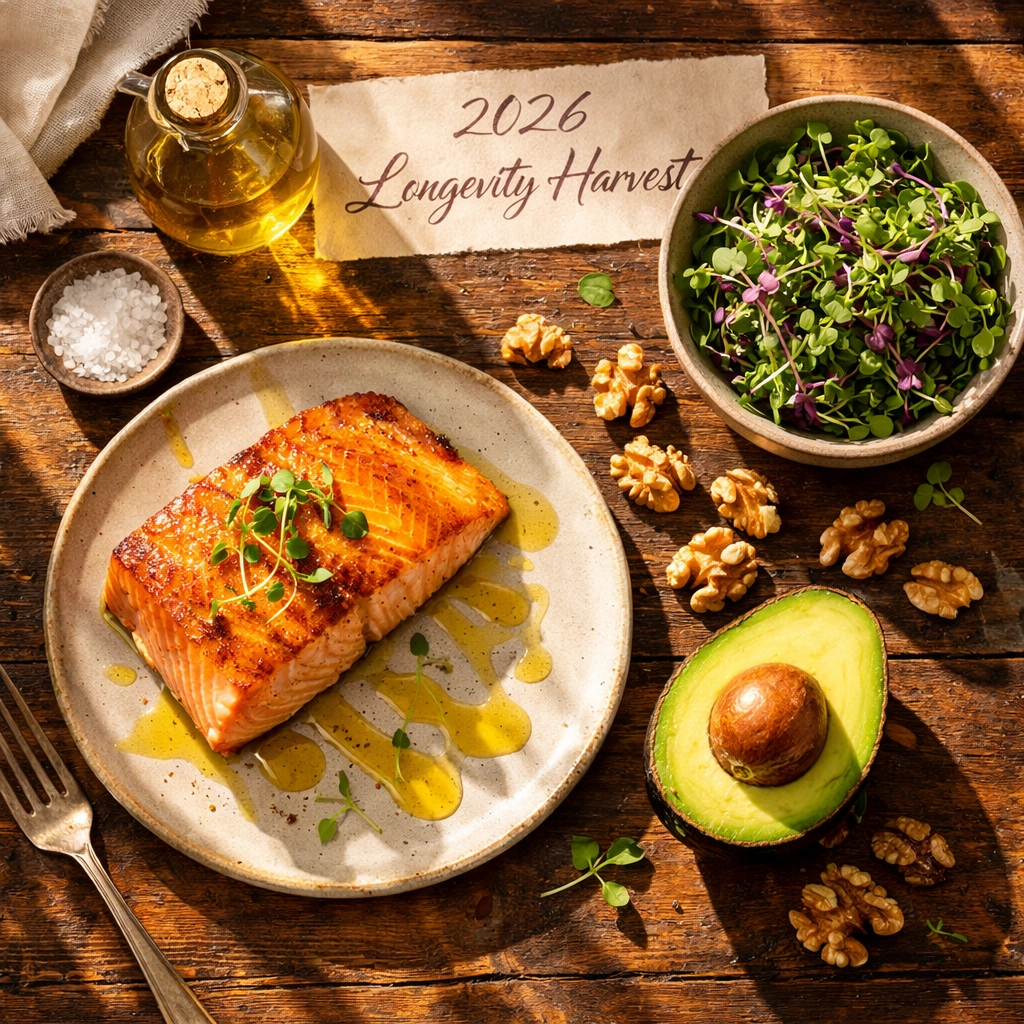
Optimizing your diet for 2026 isn't about restriction; it's about flood-loading your system with the information it needs to stay calm and resilient. By prioritizing these 20 superfoods, you aren't just eating for fuel: you're eating for a longer, more vibrant healthspan.
About the Author: Malibongwe Gcwabaza
Malibongwe Gcwabaza is the CEO of blog and youtube and a leading voice in the 2026 longevity movement. With a background in metabolic health and digital wellness, Malibongwe focuses on bridging the gap between complex clinical research and actionable daily habits. His mission is to empower individuals to take control of their biological data through nutrition, movement, and cutting-edge bio-monitoring technology. When he isn't researching the latest in sirtuin activators, he can be found testing new recovery protocols in the mountains of South Africa.
About the Author