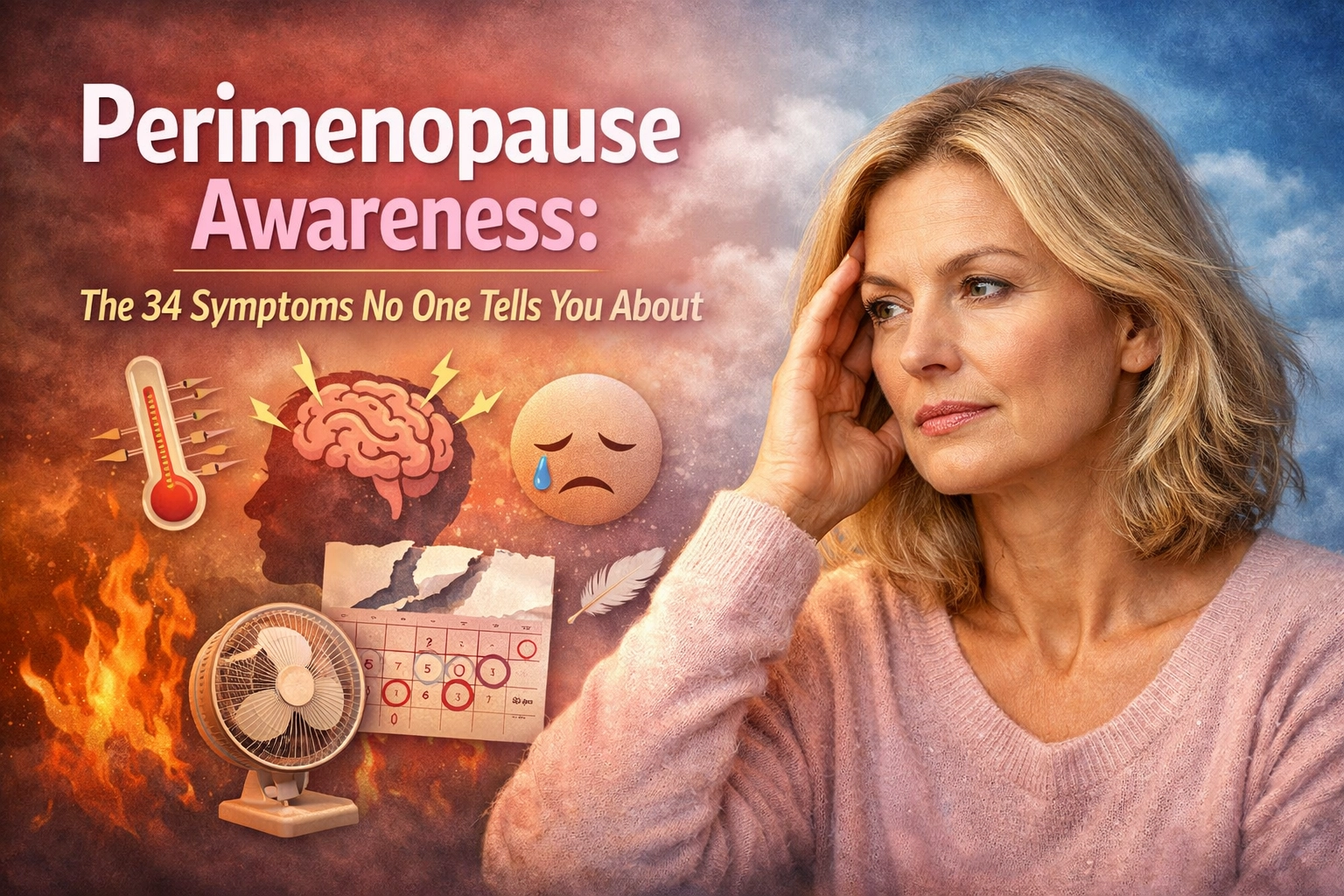
Perimenopause is often described as "puberty in reverse," but that comparison is a massive understatement. While puberty is a structured developmental climb, perimenopause is more like a chaotic hormonal rollercoaster where the operator has gone on a coffee break. For most women, the transition doesn't start with the cessation of periods; it starts with a confusing array of physical and psychological shifts that often feel entirely unrelated to "the change."
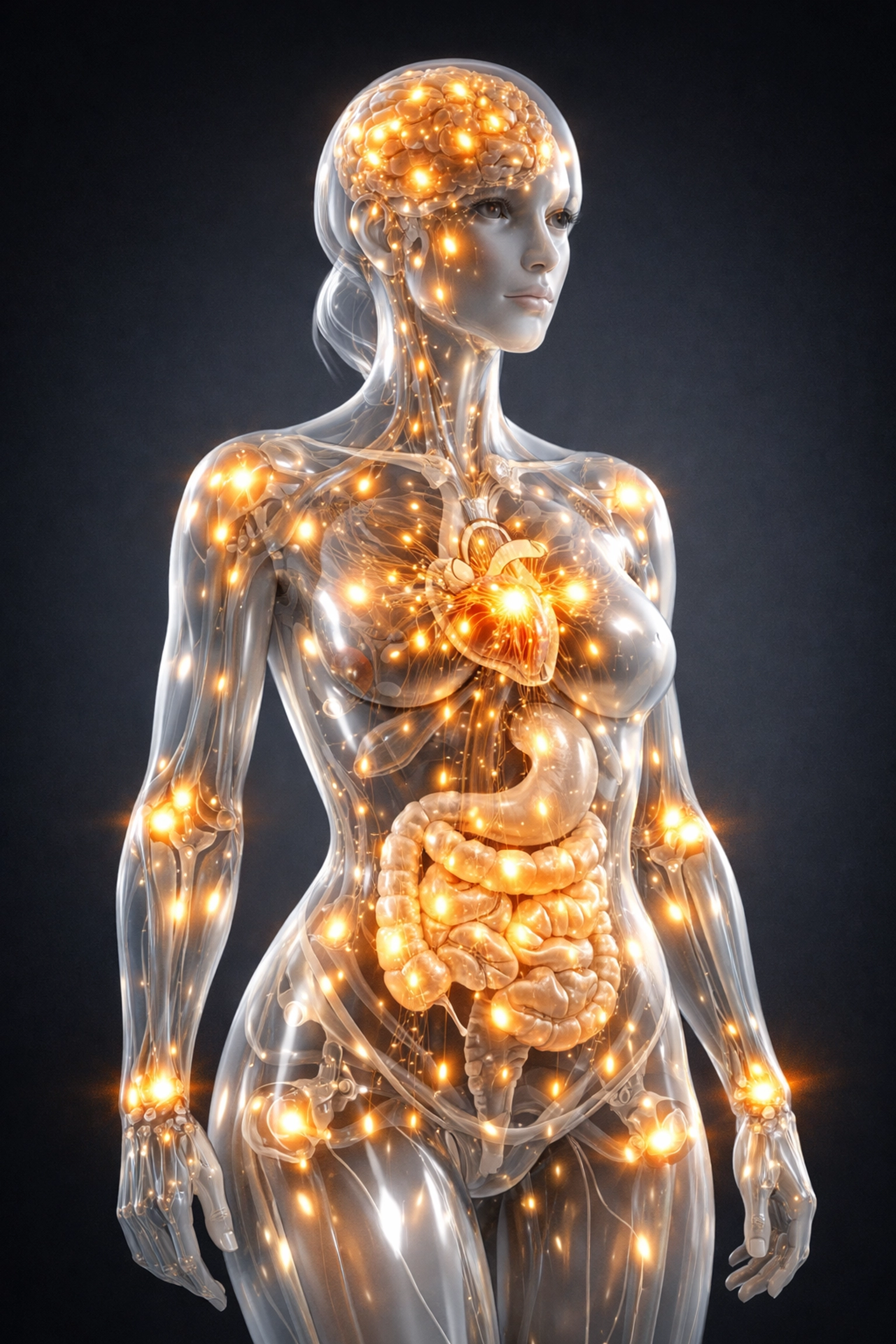
In 2026, our understanding of the neuroendocrine system has evolved. We now know that estrogen receptors are located nearly everywhere in the body: from your brain and heart to your joints and gut. When estrogen levels begin their erratic decline, the fallout is systemic. This guide breaks down the "34 symptoms" that define this transition, providing the technical depth and data-driven insights needed to navigate this decade with agency.
The Neurological Core: Brain Fog and Mood Dysregulation
The brain is arguably the most estrogen-sensitive organ in the body. As levels fluctuate, the transition affects neurotransmitter regulation, specifically serotonin and dopamine.
1. The Common Culprit: Irritability
Research indicates that irritability is the most frequently reported symptom of the perimenopausal transition. Unlike standard stress, "perimenopausal rage" often feels untethered to external triggers. It is a physiological response to the rapid withdrawal of estrogen, which destabilizes the hypothalamic-pituitary-ovarian (HPO) axis.
2. Cognitive Decline and "Brain Fog"
Approximately 60% of women report difficulty with memory or concentration during perimenopause. This isn't just "forgetting your keys." It involves:
- Word Retrieval Issues: Struggling to find common words mid-sentence.
- Executive Function Gaps: Difficulty managing complex tasks that were once second nature.
- Reduced Processing Speed: Feeling like your brain is running on an outdated operating system.

The Physical Metamorphosis: Musculoskeletal and Skin Changes
One of the biggest misconceptions about perimenopause is that it’s purely a reproductive issue. In reality, it is a metabolic and structural shift.
3. Joint Pain and Stiffness (The "Hidden" 50%)
Nearly 50% of perimenopausal women experience arthralgia (joint pain). Estrogen plays a crucial role in maintaining joint lubrication and reducing inflammation. When it drops, women often experience "morning stiffness" in the fingers, knees, and hips that mimics early-stage arthritis.
4. Sarcopenia and Weight Redistribution
As estrogen declines, the body’s ability to maintain muscle mass (sarcopenia) diminishes. This leads to a decreased basal metabolic rate and the "perimenopausal belly": a shift in fat storage from the hips to the visceral (abdominal) area, which increases cardiovascular risk.
5. Skin and Hair Alterations
Estrogen is vital for collagen production. During the transition, women may notice:
- Skin Thinning: Loss of elasticity and increased dryness.
- Formication: The sensation of insects crawling on the skin.
- Androgenic Hair Growth: Thinning of the hair on the scalp while experiencing new growth on the chin or upper lip.
| Symptom Category | Key Physiological Driver | Impact Level |
|---|---|---|
| Vasomotor | Hypothalamic Thermoregulation | High (75% of women) |
| Cognitive | Neurotransmitter Fluctuation | Moderate to High |
| Musculoskeletal | Collagen & Inflammation | Moderate (50% of women) |
| Metabolic | Insulin Sensitivity Shift | Variable |
The Master List: The 34 Documented Symptoms
To understand the full scope of the transition, we must look at the complete list. Many of these are frequently misdiagnosed as separate medical issues (like thyroid disorders or clinical depression) when they are actually part of the same hormonal shift.
- Hot Flashes: Sudden waves of heat (vasomotor instability).
- Night Sweats: Severe hot flashes that disrupt sleep architecture.
- Irregular Periods: Shortened cycles, skipped periods, or "flooding" (heavy bleeding).
- Loss of Libido: Decreased sexual desire due to androgen and estrogen shifts.
- Vaginal Dryness: Thinning of the vaginal walls (atrophy).
- Mood Swings: Rapid shifts from high to low emotional states.
- Fatigue: Deep, cellular exhaustion not cured by sleep.
- Hair Thinning: Significant shedding or loss of volume.
- Sleep Disorders: Insomnia or waking at 3:00 AM (cortisol spikes).
- Difficulty Concentrating: The hallmark of "brain fog."
- Memory Lapses: Short-term forgetfulness.
- Dizziness: Feelings of lightheadedness or vertigo.
- Weight Gain: Specifically around the midsection.
- Incontinence: Stress incontinence or increased urgency.
- Bloating: Increased water retention and digestive gas.
- Allergies: New or worsening seasonal or food allergies.
- Brittle Nails: Nails that peel, crack, or break easily.
- Changes in Body Odor: More pungent perspiration.
- Irritability: Decreased patience and heightened anger.
- Depression: New-onset or worsening of existing depressive states.
- Anxiety: Feelings of dread or "free-floating" anxiety.
- Panic Attacks: Physical symptoms of panic without a clear trigger.
- Breast Tenderness: Similar to early pregnancy or PMS.
- Joint Pain: Aches in the neck, back, and extremities.
- Burning Mouth Syndrome: A metallic taste or burning sensation on the tongue.
- Electric Shock Sensations: Sharp zaps felt under the skin or in the head.
- Digestive Issues: Changes in gut motility and increased sensitivity.
- Gum Problems: Bleeding gums or increased gingivitis.
- Muscle Tensions: Chronic tightness in the shoulders and jaw.
- Itchy Skin: Often related to the loss of skin moisture.
- Tingling Extremities: Paresthesia in the hands and feet.
- Tinnitus: Ringing in the ears.
- Heart Palpitations: Feeling like the heart is skipping a beat or racing.
- Osteoporosis: Long-term loss of bone mineral density.
The 2026 Perspective: Beyond "Grin and Bear It"
In previous decades, women were told these symptoms were "all in their head" or simply a natural part of aging that required no intervention. In 2026, the medical community acknowledges that untreated perimenopausal symptoms can lead to long-term health complications, including increased risks for Alzheimer's, heart disease, and osteoporosis.
The Role of Hormone Replacement Therapy (HRT)
Modern HRT is vastly different from the versions used twenty years ago. We now utilize Body-Identical Hormones (USP-verified progesterone and estradiol) that match the molecular structure of the hormones the body produces. Data shows that starting HRT during the "perimenopausal window" can protect cognitive function and bone density.
Lifestyle as Medicine
While hormones are a powerful tool, they are not a silver bullet. A 2026 longevity-focused approach to perimenopause includes:
- Resistance Training: Lifting heavy weights is non-negotiable to combat muscle loss and stimulate bone growth.
- Circadian Optimization: Exposure to morning sunlight and limiting blue light at night to stabilize the erratic cortisol-melatonin balance seen in perimenopause.
- Protein Prioritization: Aiming for 1.2g to 1.6g of protein per kilogram of body weight to support muscle protein synthesis.

Unique Perspectives: The "Silent" Symptoms
Symptoms like Tinnitus and Electric Shock Sensations are rarely discussed in clinical settings but are frequently reported in patient communities. These are likely caused by the impact of fluctuating estrogen on the central nervous system and the myelin sheaths protecting the nerves. Recognizing these as hormonal rather than neurological emergencies can significantly reduce the anxiety associated with the transition.
Summary: Taking Charge of the Transition
Perimenopause is a significant biological milestone, but it does not have to be a decade of suffering. By identifying the 34 symptoms early, women can work with informed practitioners to customize a plan: whether that involves HRT, specialized nutrition, or targeted supplementation like Magnesium Glycinate for sleep and Creatine Monohydrate for brain health.
The goal isn't just to "get through it," but to emerge into the post-menopausal years with your bone density, muscle mass, and cognitive clarity intact.
Author Bio: Malibongwe Gcwabaza
Malibongwe Gcwabaza is the CEO of blog and youtube, a premier digital platform dedicated to cutting-edge health, wellness, and fitness insights. With a focus on longevity science and functional fitness, Malibongwe advocates for data-driven health optimization. He has spent the last decade working at the intersection of technology and wellness, helping individuals decode complex biological processes to live longer, higher-quality lives. When not overseeing content strategy, he is an avid proponent of Zone 2 training and metabolic flexibility.
About the Author