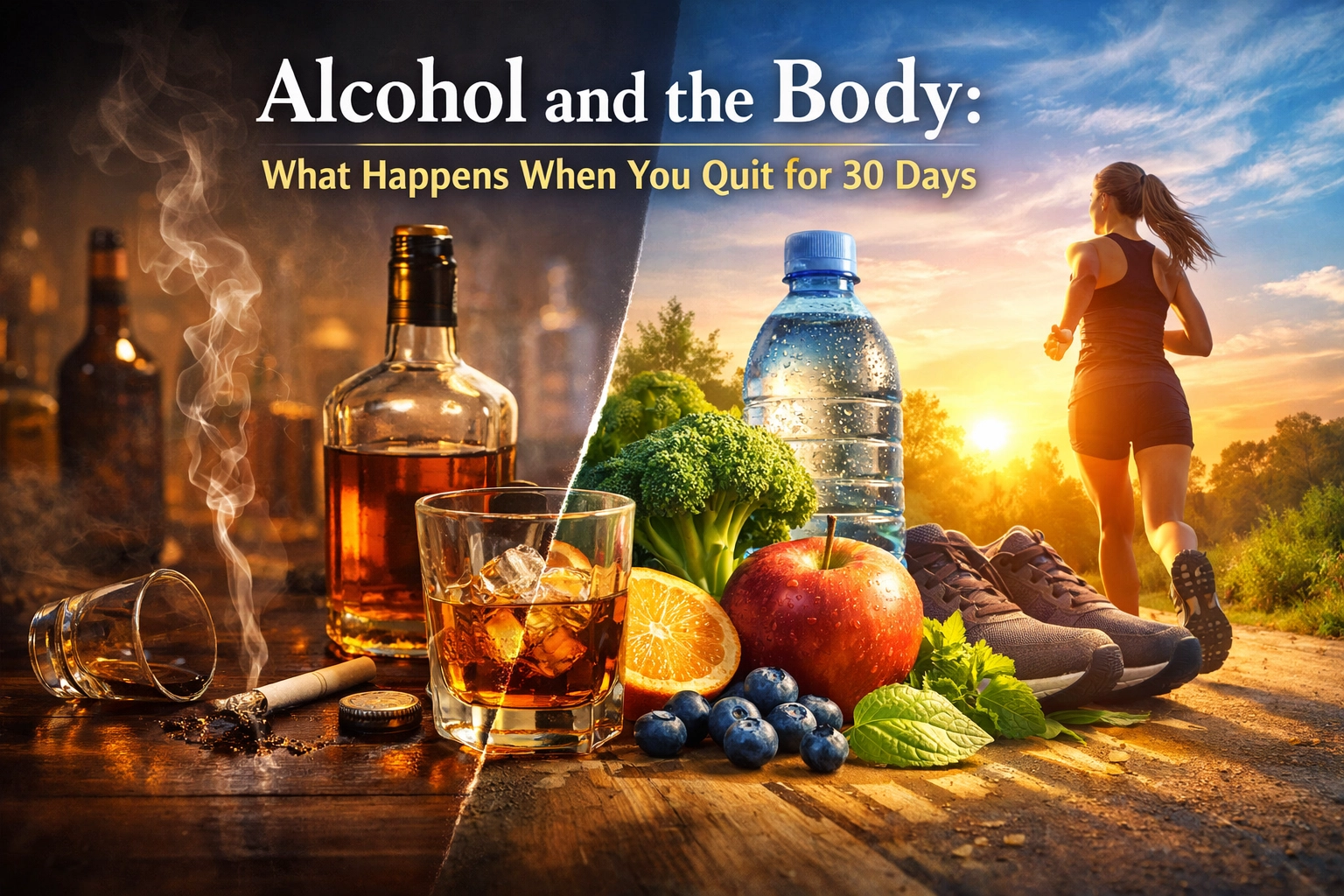
Choosing to step away from alcohol for 30 days: often called a "Dry Month": is more than just a test of willpower. It is a profound physiological intervention. While many people approach a month of sobriety to "reset" after a holiday or a stressful period, the underlying biological shifts are far more complex than simply avoiding a hangover.
From the moment ethanol leaves your bloodstream to the final hours of day 30, your body undergoes a systematic recalibration of its neurological, metabolic, and cardiovascular systems. This guide dives deep into the science of sobriety, detailing exactly what happens to your cells, your organs, and your brain when you remove alcohol from the equation for four weeks.
The Immediate Response: Days 1 to 3 (The Withdrawal Phase)
The first 72 hours are the most volatile for the body as it transitions from a state of ethanol-induced suppression to homeostatic independence. Alcohol is a central nervous system depressant that works primarily by enhancing the effects of GABA (the brain’s primary inhibitory neurotransmitter) and inhibiting Glutamate (the primary excitatory neurotransmitter).
When you stop drinking, the brain: which has adapted to the presence of alcohol by downregulating GABA receptors and upregulating Glutamate receptors: suddenly finds itself in an over-excited state.
Physiological Markers:
- Cortisol Spike: Alcohol consumption suppresses the HPA axis. Upon cessation, cortisol levels often spike, leading to increased anxiety, irritability, and "night sweats."
- Blood Sugar Fluctuation: Alcohol interferes with the liver's ability to release glucose. In the first 48 hours, your body may struggle with hypoglycemia (low blood sugar), leading to intense sugar cravings.
- Heart Rate Variability (HRV): Your resting heart rate may be elevated during these first few days as the sympathetic nervous system works in overdrive.
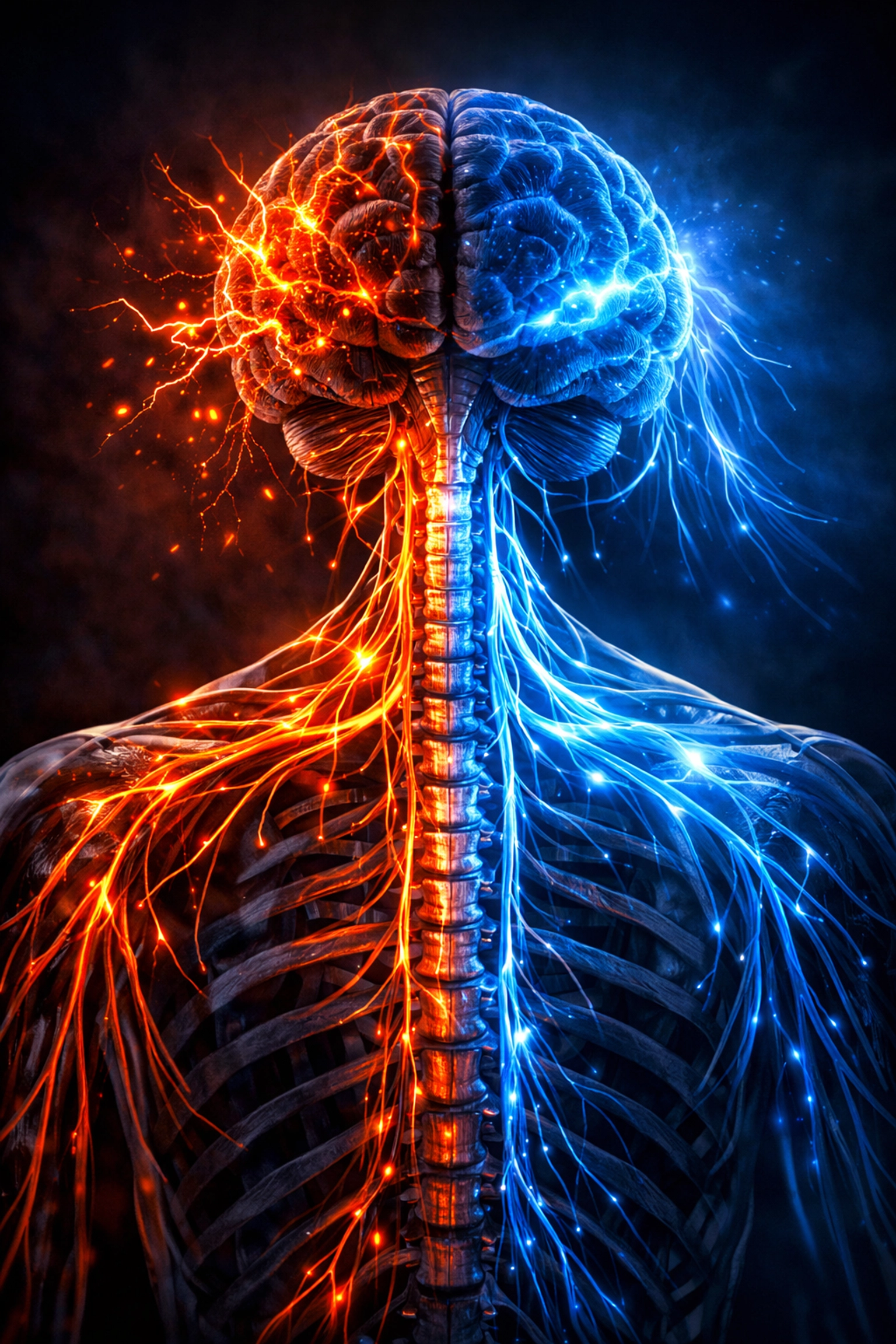
Week 1: Restoring Sleep Architecture
By day 4, the acute "detox" symptoms usually subside, and the body begins focusing on repair. The most significant shift in the first week occurs in the brain's sleep architecture.
While alcohol is often used as a sleep aid because it induces sedation, it is actually a destroyer of high-quality rest. Ethanol prevents the brain from entering deep REM (Rapid Eye Movement) sleep, which is critical for emotional regulation and memory consolidation. Instead, it forces the body into "alpha-delta" sleep, a state where the brain is simultaneously trying to rest and stay alert.
What Happens in the First Week:
- REM Rebound: As the sedative effects of alcohol vanish, the brain experiences "REM rebound." You may experience vivid or intense dreams as your brain tries to make up for months or years of lost REM cycles.
- Reduction in Sleep Fragmentation: Alcohol causes the upper airway muscles to relax (leading to snoring or apnea) and prompts frequent midnight wakings as the body processes the sugar. Without it, the "sleep maintenance" phase becomes more stable.
- Hydration Normalization: Alcohol is a diuretic. It suppresses the antidiuretic hormone (ADH), signaling the kidneys to flush out water. By the end of week one, your body’s hydration levels stabilize, often reducing "puffiness" in the face and eyes.
Week 2: The Digestive and Dermatological Turnaround
By the second week, the focus shifts to the gastrointestinal tract and the skin. Alcohol is an irritant to the lining of the stomach and the esophagus, often leading to Gastritis and Acid Reflux.
Gut Microbiome and Inflammation
Alcohol contributes to "leaky gut" syndrome by weakening the tight junctions in the intestinal wall. This allows endotoxins to leak into the bloodstream, triggering systemic inflammation. After 14 days of abstinence:
- Lining Repair: The stomach lining begins to heal, significantly reducing symptoms of indigestion and heartburn.
- Microbiome Shift: The balance of beneficial bacteria in the gut begins to return, which has a direct correlation with improved mood and immune function.
The "Sober Glow"
Alcohol causes vasodilation: the widening of blood vessels. Over time, this can lead to permanent redness or broken capillaries. In week two, the inflammatory response in the skin decreases. Because the body is better hydrated, the skin regains its elasticity, and the characteristic "dullness" associated with drinking begins to fade.
Week 3: Liver Regeneration and Metabolic Health
Week three is where the most significant "hidden" health gains occur, specifically regarding the liver and cardiovascular health.
The liver is a regenerative powerhouse, but chronic alcohol consumption forces it to prioritize the metabolism of ethanol over its other 500+ functions, such as fat metabolism and hormone regulation.
Reversing Hepatic Steatosis (Fatty Liver)
Even moderate drinkers can develop "fatty liver," where fat deposits accumulate in liver cells. Research shows that just 21 to 30 days of abstinence can reduce liver fat by up to 15–20%.
| Metric | Impact of 30 Days of Sobriety |
|---|---|
| Liver Fat | Decreases by 15% – 20% on average |
| Blood Pressure | Significant reduction in systolic/diastolic levels |
| Cholesterol | Lowering of LDL (bad) cholesterol and triglycerides |
| Weight | Average loss of 2kg – 4kg (depending on previous intake) |
Insulin Sensitivity
Alcohol consumption contributes to insulin resistance. By week three, your cells become more sensitive to insulin, meaning your body becomes more efficient at processing carbohydrates and regulating blood sugar. This often results in a massive increase in midday energy levels and the disappearance of the "3 PM slump."
Week 4: The Neurological Reset and Cognitive Peak
In the final week of the 30-day journey, the most profound changes occur in the prefrontal cortex: the area of the brain responsible for executive function, impulse control, and complex decision-making.
Dopamine Sensitivity
Chronic drinking floods the brain with dopamine, eventually causing the brain to reduce the number of dopamine receptors to protect itself. This makes everyday activities feel less pleasurable (a state called Anhedonia). By day 28, your dopamine receptors begin to "upregulate," meaning you start to find genuine joy in small things again: a sunset, a good meal, or a conversation.
Focus and Mental Clarity
The "brain fog" associated with regular drinking is often a result of chronic low-level neuro-inflammation. By the end of the month:
- Neurogenesis: Studies suggest that abstinence promotes the growth of new neurons in the hippocampus (the memory center).
- Improved Concentration: Mental task performance and the ability to focus for long periods typically increase by over 15–20% compared to week one.
Summary of the 30-Day Timeline
- Days 1-3: Detox, anxiety, and sleep disruption. The body is clearing ethanol.
- Days 4-7: Sleep stabilizes. REM rebound occurs. Hydration improves.
- Days 8-14: Digestive health improves. Reflux vanishes. Skin begins to clear.
- Days 15-21: Liver fat begins to dissolve. Blood pressure drops. Energy levels rise.
- Days 22-30: Maximum mental clarity. Dopamine reset. Immune system strengthened.
Is 30 Days Enough?
While 30 days provides a remarkable "reboot" for the human body, it is important to view it as a starting point rather than a finish line. The physiological repairs initiated in this month: especially regarding the liver and brain: continue to improve for up to six months of abstinence.
However, even if you choose to return to drinking, the 30-day break has provided your body with a critical window of cellular repair that can lower the baseline of systemic inflammation and improve your long-term metabolic health.
Author Bio: Malibongwe Gcwabaza
Malibongwe Gcwabaza is the CEO of blog and youtube and a leading voice in the 2026 longevity movement. With a background in health optimization and a passion for data-driven wellness, Malibongwe focuses on translating complex physiological research into actionable lifestyle shifts. His work emphasizes the "Centenarian Decathlon": training the body and mind today to ensure a high-performance life at 100. When he isn't analyzing metabolic data, you can find him experimenting with functional fitness and bio-hacking protocols.
About the Author