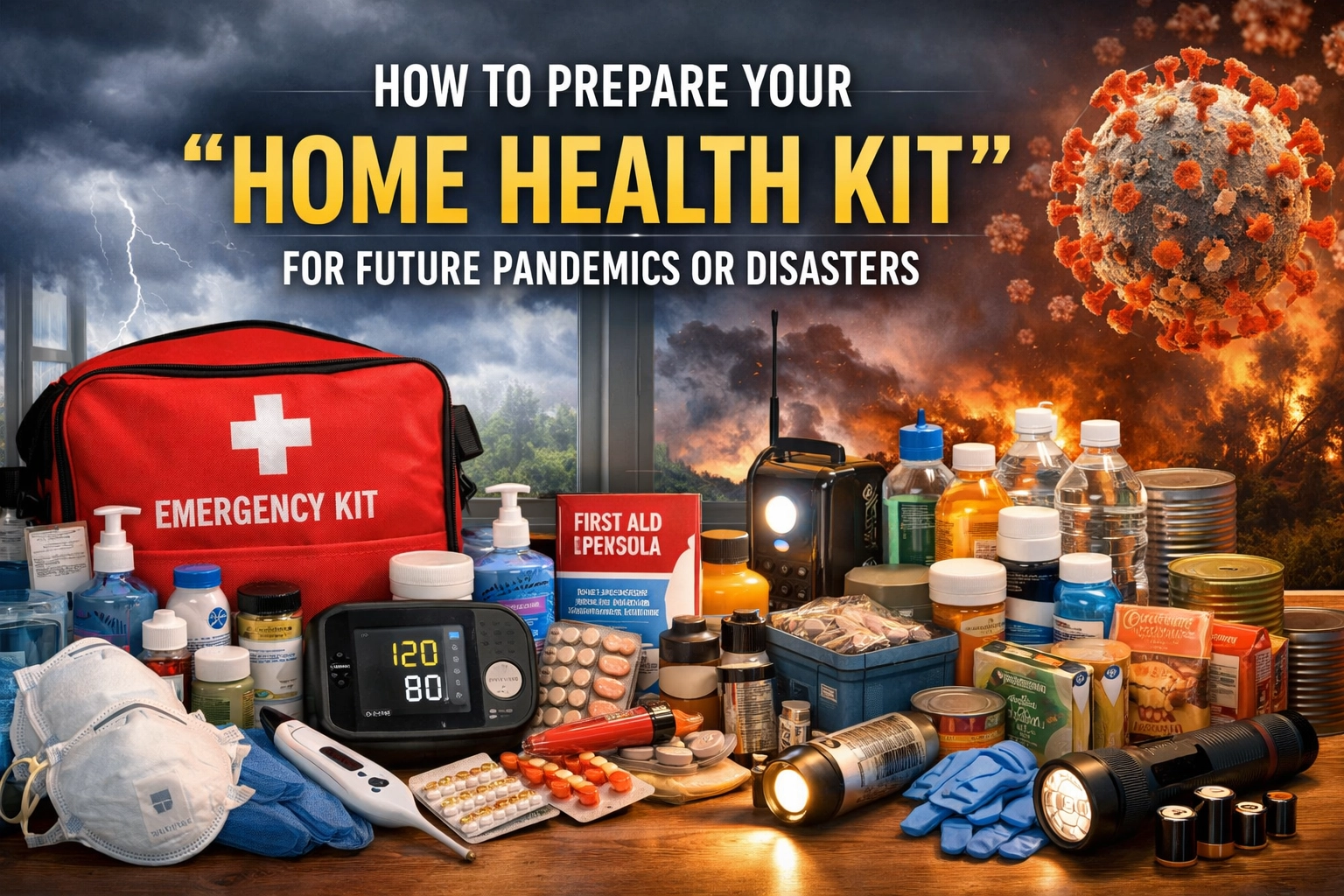
In the wake of the global shifts we’ve seen over the last few years, the concept of "home" has evolved. It is no longer just a living space; it is our primary sanctuary, our gym, and, increasingly, our first line of defense in medical emergencies. Waiting for a crisis to hit before stocking up on supplies is a recipe for panic.
A "Home Health Kit" in 2026 is far more than a box of Band-Aids and some expired aspirin. It is a strategically curated ecosystem of diagnostic tools, pharmaceutical essentials, and biological barriers designed to keep your household resilient during lockdowns, natural disasters, or supply chain failures. This guide provides a deep dive into building a high-level kit that prioritizes data-driven health monitoring and long-term survival.
Phase 1: The Diagnostic Suite (Your In-Home Triage)
The most dangerous part of any health crisis is the "information gap": not knowing how sick you or a family member actually is. In a pandemic or disaster, hospitals may be overrun. You need clinical-grade data at home to determine if you need emergency intervention or if you can continue home care.
Essential Diagnostic Tools
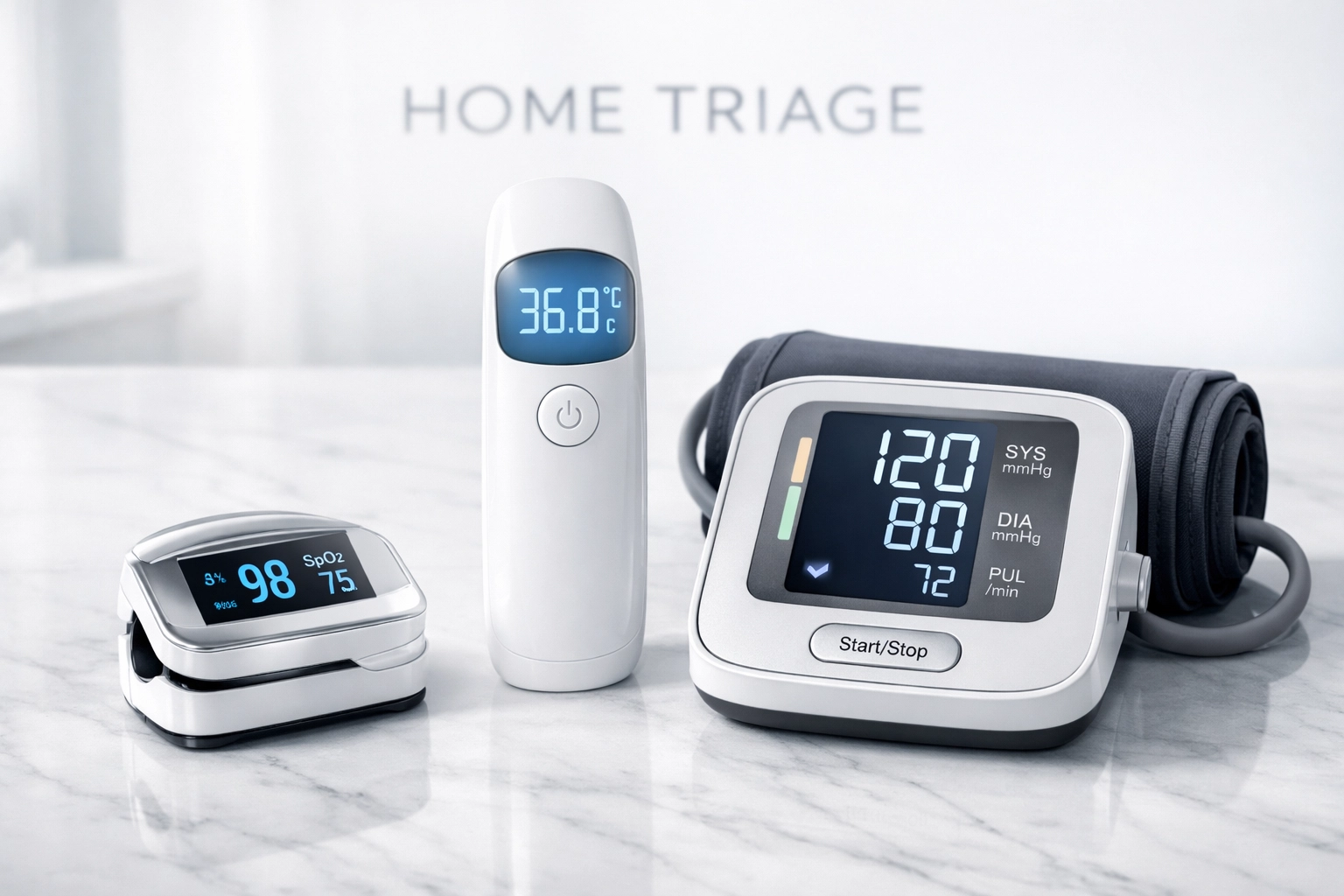
- Pulse Oximeter: This is non-negotiable for respiratory illnesses. It measures oxygen saturation (SpO2). In 2026, look for models that sync via Bluetooth to your health apps to track trends. A drop below 94% is a critical warning sign that requires professional medical consultation.
- Infrared and Basal Thermometers: You need a non-contact infrared thermometer for quick screening and a high-precision digital basal thermometer for more accurate internal readings.
- Blood Pressure Monitor: Stress and illness can cause dangerous spikes in blood pressure. An upper-arm cuff is more accurate than wrist-based models.
- Blood Glucose Monitor: Even for non-diabetics, monitoring blood sugar during illness is vital, as infections can cause significant metabolic stress and insulin resistance.
- Smart Stethoscope: Modern consumer versions allow you to record lung and heart sounds to send to a telehealth professional for remote auscultation.
| Device | Purpose | Critical Threshold |
|---|---|---|
| Pulse Oximeter | Measures oxygen in blood | Seek help if < 94% |
| Thermometer | Monitors core temperature | Seek help if > 103°F (39.4°C) |
| BP Monitor | Tracks cardiovascular stress | Red zone: 180/120 mmHg |
Phase 2: The Advanced First Aid and Pharmaceutical Stack
Standard kits often lack the supplies needed for moderate trauma or prolonged illness. Your kit should be divided into "Immediate Care" and "Long-term Maintenance."
Over-the-Counter (OTC) Essentials
- Analgesics and Antipyretics: Acetaminophen (Tylenol) for fevers and Ibuprofen (Advil) for inflammation. Stock both, as they can be rotated if a high fever persists.
- Mucolytics and Decongestants: Guaifenesin to thin mucus and Pseudoephedrine for severe congestion.
- Gastrointestinal Support: Loperamide (anti-diarrheal), Famotidine (H2 blocker), and Electrolyte Replacement Salts (WHO formulation). Dehydration from GI distress is a leading cause of hospitalization during disasters.
- Antihistamines: Diphenhydramine (Benadryl) for acute allergic reactions and Cetirizine for daily management.
The "Trauma" Component
If emergency services are delayed, you must be able to manage wounds.
- Hemostatic Gauze: Treated with agents like Kaolin to stop bleeding faster than standard gauze.
- Chest Seals: For penetrating chest injuries (essential for high-risk disaster zones).
- Tourniquet (CAT Gen 7): Learn how to use it; it’s a literal lifesaver for limb trauma.
- Suture-Free Closures: Steri-strips or medical-grade skin glue for lacerations.
Phase 3: The Biological Barrier (PPE and Air Quality)
In a pandemic, your home’s air quality and your personal protective equipment (PPE) are your primary shields.
Personal Protective Equipment
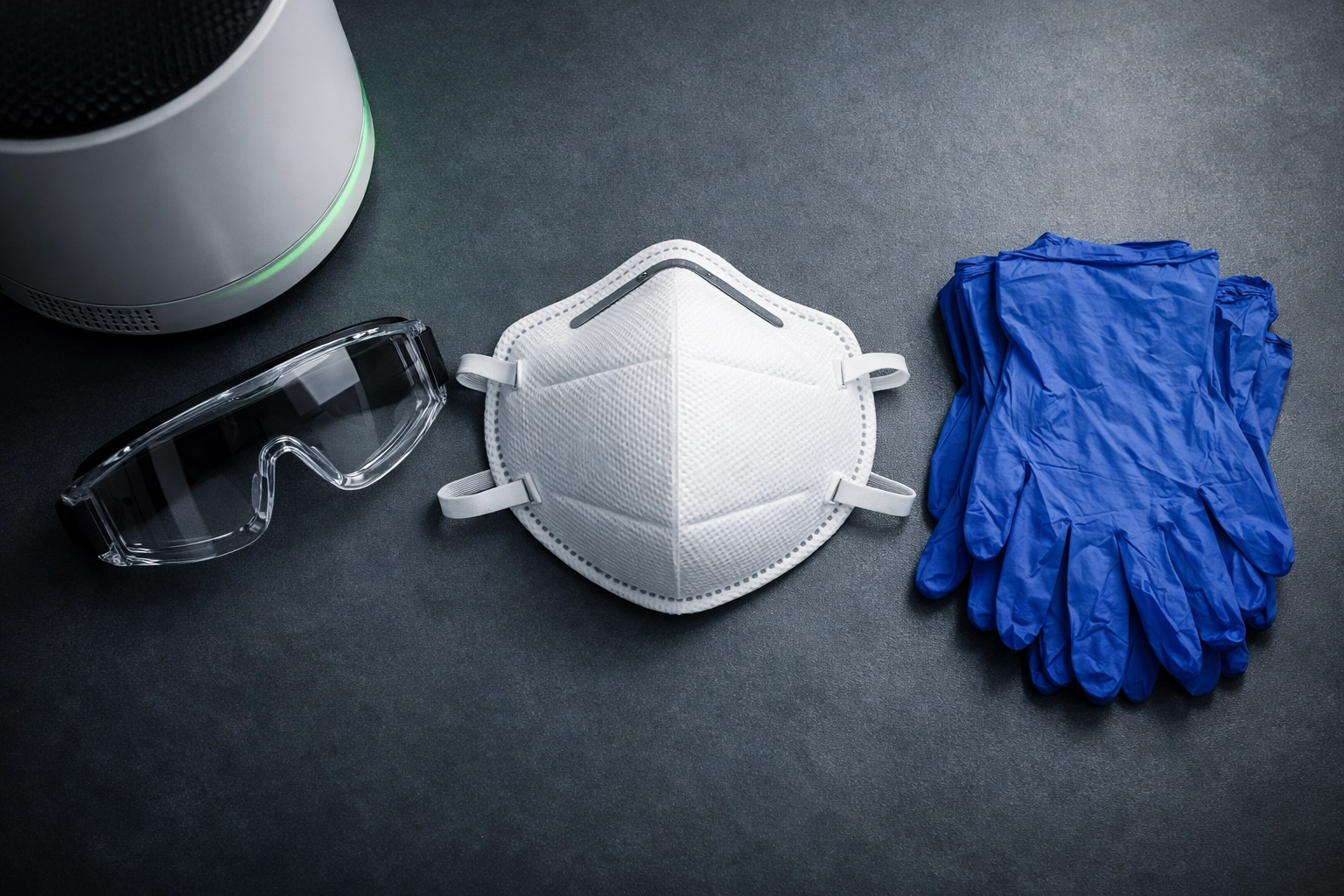
Standard cloth masks are insufficient for the viral loads seen in modern variants. Your kit must include:
- NIOSH-Approved N95 or P100 Respirators: These filter at least 95-99.9% of airborne particles. Ensure you have various sizes for family members.
- Nitrile Gloves: Avoid latex due to potential allergies. Stock at least 200 pairs.
- Eye Protection: Wraparound goggles prevent viral entry through the ocular route.
Air Filtration: The HEPA Standard
If you are isolating a sick family member, you need to manage the "bio-aerosol" load in the house.
- Portable HEPA H13 Purifiers: These can clear 99.97% of particles down to 0.1 microns.
- DIY Corsi-Rosenthal Box: Keep four MERV-13 filters and a box fan in your kit. This is a cost-effective, high-CADR (Clean Air Delivery Rate) solution that can be assembled in minutes during a respiratory surge.
Phase 4: Metabolic Support and Hydration
A disaster health kit is incomplete without the fuel required to maintain the immune system. During a pandemic or disaster, the body’s metabolic demand increases significantly.
The 14-Day Nutritional Reserve
Avoid "empty calorie" junk food. Focus on nutrient density:
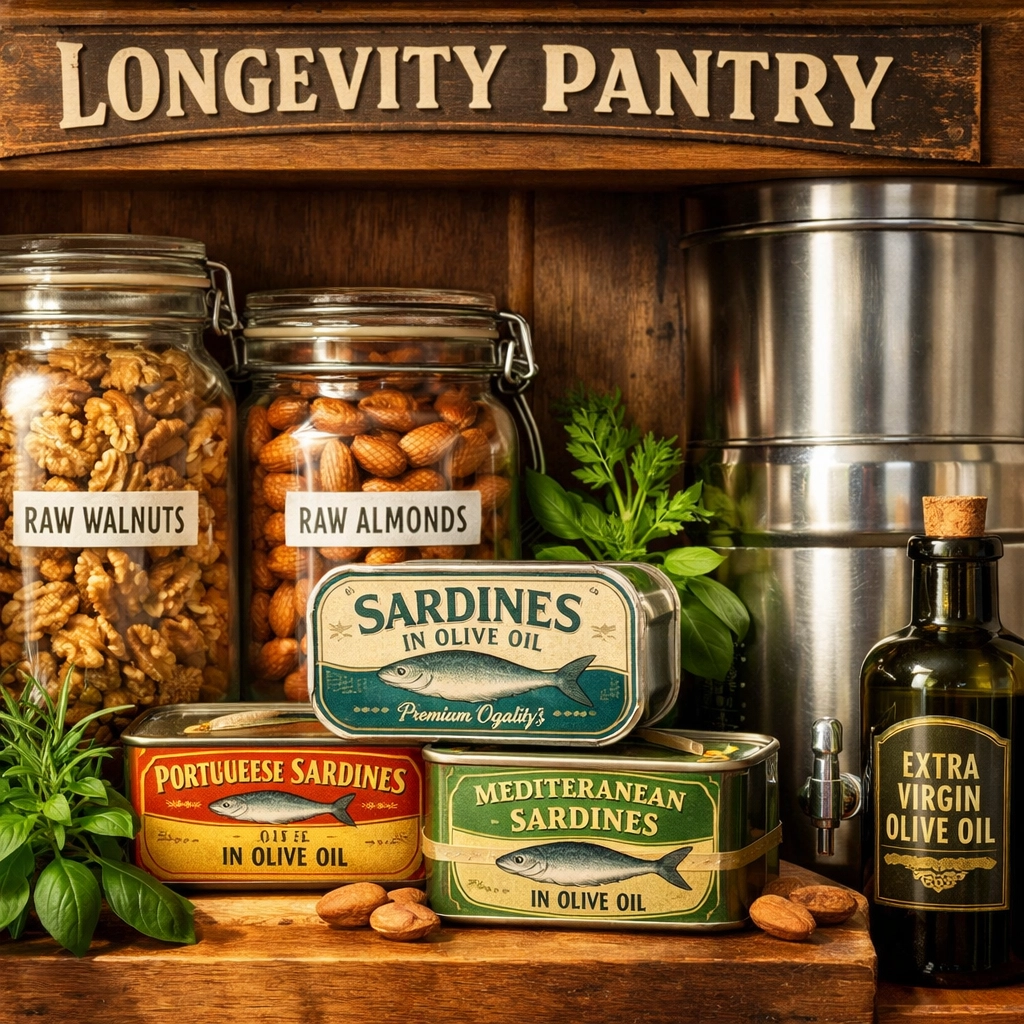
- High-Quality Proteins: Canned sardines, wild salmon, and vacuum-sealed grass-fed jerky. Protein is required for antibody production.
- Complex Carbohydrates: Quinoa, rolled oats, and sprouted grain crackers to maintain stable blood glucose.
- Antioxidant-Rich Foods: Freeze-dried berries and dark chocolate (70%+ cacao).
- Lipids: Extra virgin olive oil and raw nuts to provide dense energy.
Water Purification
Assume the tap water is compromised.
- Storage: 1 gallon per person, per day, for 14 days.
- Filtration: A gravity-fed system (like a Berkey or Sawyer Squeeze) that removes bacteria, protozoa, and microplastics.
- Chemical Treatment: Iodine tablets or unscented household bleach (use 8 drops per gallon of clear water).
| Item | Requirement | Why? |
|---|---|---|
| Water | 1 Gallon/Day | Hydration & Hygiene |
| Protein | 60g-100g/Day | Immune System Repair |
| Electrolytes | 2 Packets/Day | Prevents Dehydration |
Phase 5: Sanitation and Waste Management
In a disaster (like a grid failure or flood), the lack of sanitation kills faster than the initial event. If the sewage system fails, you need a plan for human waste to prevent cholera and dysentery.
- The Two-Bucket System: One bucket for liquid waste, one for solid waste (lined with heavy-duty bags and covered with sawdust or cat litter).
- Biohazard Bags: For disposing of contaminated PPE or medical waste.
- Concentrated Disinfectants: Stock 70% Isopropyl alcohol and 5% Sodium Hypochlorite (bleach). Note that bleach expires after 6-12 months, so rotate your stock.
Phase 6: The "Soft" Essentials (Mental Health and Comfort)
Resilience is not just physical. Long-term isolation or disaster-induced stress can lead to burnout and cognitive decline.
- Analog Entertainment: Cards, board games, and physical books.
- Adaptogens: Ashwagandha or Rhodiola Rosea supplements to help manage cortisol levels during high-stress periods.
- Magnesium Glycinate: To assist with sleep architecture when anxiety is high.
- Hard Copies of Documents: Printed medical records, insurance policies, and "how-to" first aid manuals. If the internet goes down, your "how-to" YouTube videos are useless.

Summary Checklist for 2026
To ensure your kit is ready, use this high-level audit:
- Diagnostics: Pulse Ox, BP Cuff, Thermometer, Glucose Monitor.
- Meds: 30-day supply of prescriptions + OTC stack (Fever/GI/Allergy).
- Trauma: Tourniquet, Hemostatic gauze, Chest seals.
- PPE: 20+ N95 masks, Nitrile gloves, Goggles.
- Air: HEPA Filter or MERV-13 DIY components.
- Water: 14-day supply + filtration system.
- Sanitation: Heavy-duty trash bags, bleach, hand sanitizer (60%+ alcohol).
Building a Home Health Kit is an act of empowerment. It moves you from a position of vulnerability to one of proactive management. Start today by securing your diagnostic tools: they are the eyes and ears of your home medical strategy.
About the Author: Malibongwe Gcwabaza
Malibongwe Gcwabaza is the CEO of blog and youtube, a leading digital platform dedicated to health optimization, longevity, and future-readiness. With a background in strategic wellness and a passion for data-driven health interventions, Malibongwe focuses on bridging the gap between clinical science and home-based health management. Under his leadership, the company has become a trusted resource for millions looking to navigate the complexities of the modern wellness landscape. When he isn't analyzing the latest in bio-monitoring tech, he is exploring the intersection of community resilience and personal health.
About the Author