If you have spent any amount of time dealing with Irritable Bowel Syndrome (IBS), you know that "bloating" is a polite word for what often feels like swallowing a literal basketball. For millions of people, digestive distress isn’t just an occasional inconvenience; it is a daily hurdle that dictates what they wear, where they go, and how they feel mentally.
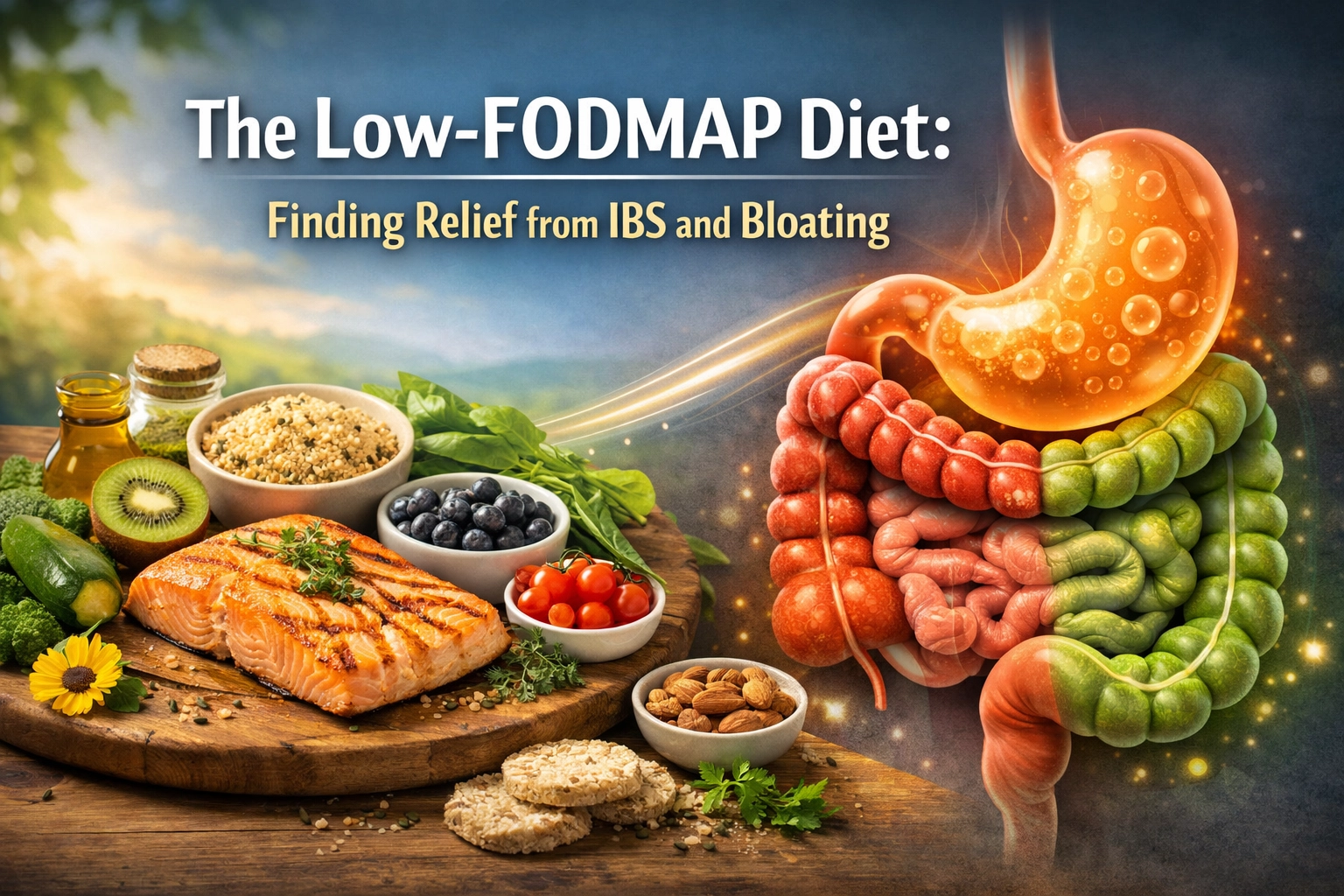
In the world of gastroenterology, the Low-FODMAP diet has emerged as the gold standard for managing these symptoms. It isn't a "weight loss" diet or a temporary "cleanse." It is a highly technical, diagnostic elimination protocol designed to identify specific carbohydrate triggers that cause the gut to overreact.
The Science of the "Stretched" Gut
To understand why the Low-FODMAP diet works, we have to look at the physics of your intestines. FODMAP is an acronym for Fermentable Oligosaccharides, Disaccharides, Monosaccharides, and Polyols. These are short-chain carbohydrates that the human small intestine struggles to absorb.
When these molecules aren't absorbed, they continue their journey into the large intestine (the colon). Here, two things happen that cause the classic IBS "flare":
- Osmosis (The Water Draw): These sugars are "osmotic," meaning they pull water from the body into the intestinal tract. This can lead to diarrhea and that heavy, "sloshing" feeling.
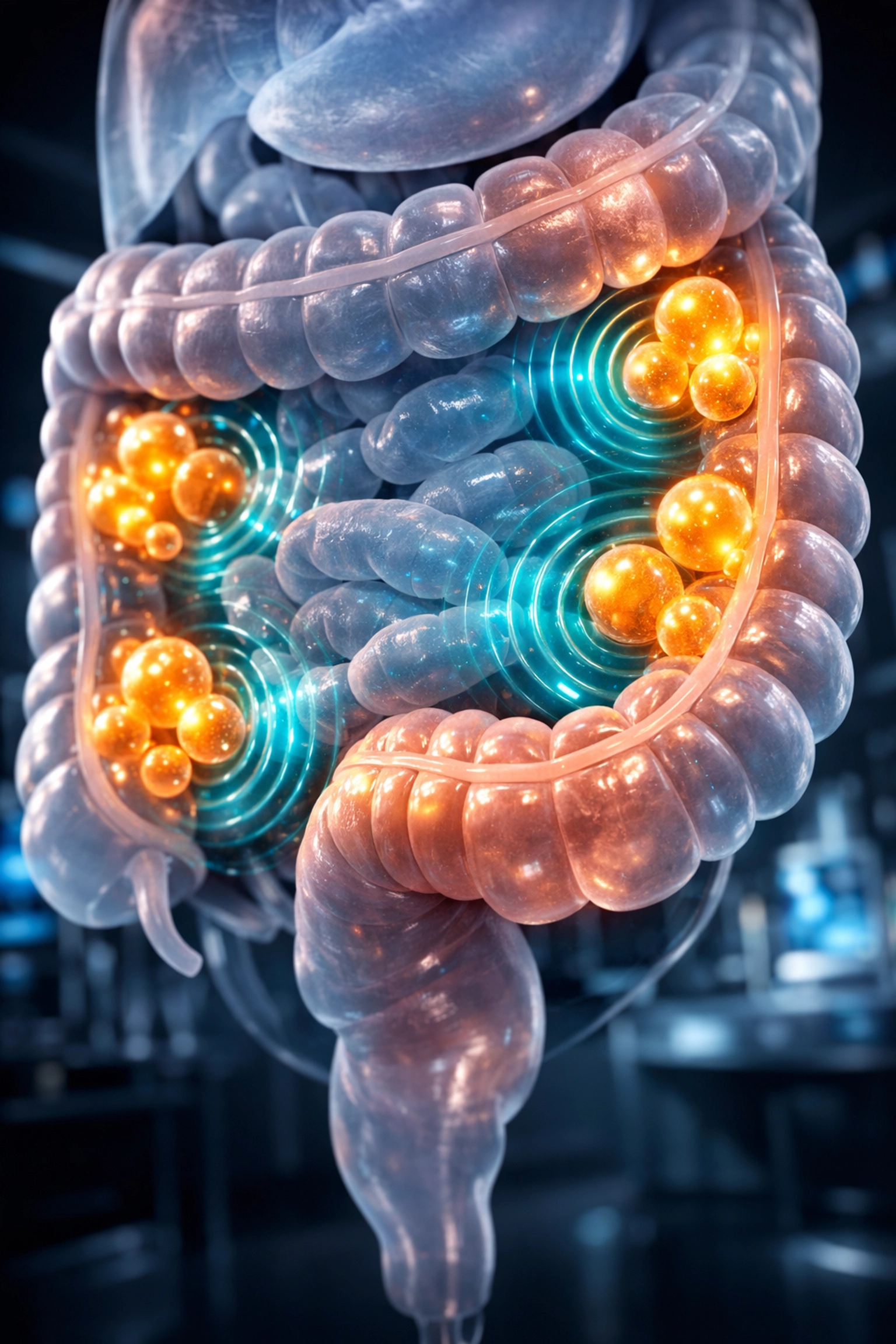
- Fermentation (The Gas Factory): Once they reach the colon, your gut bacteria see these undigested carbs as an all-you-can-eat buffet. They rapidly ferment them, producing hydrogen and methane gas. This gas stretches the intestinal wall.
For most people, this stretching is a minor blip. But for those with IBS, the "gut-brain axis" is hypersensitive. This is called visceral hypersensitivity. Your nerves perceive that stretching as intense pain, cramping, and extreme bloating.
Decoding the Acronym: What Are You Actually Eating?
The Low-FODMAP protocol isn't about "healthy vs. unhealthy" foods. In fact, some of the healthiest foods on the planet: like garlic, onions, and apples: are the highest in FODMAPs.
1. Oligosaccharides (Fructans and GOS)
These are perhaps the most common triggers.
- Fructans: Found in wheat, rye, barley, onions, and garlic.
- GOS (Galacto-oligosaccharides): Found in legumes like beans, lentils, and chickpeas.
Humans actually lack the enzymes to fully break these down, which is why beans make everyone a little gassy: but for IBS sufferers, the reaction is magnified.
2. Disaccharides (Lactose)
This is the sugar found in dairy. If you lack the enzyme lactase, the lactose stays in the gut and ferments.
3. Monosaccharides (Fructose)
This is "fruit sugar." It becomes a problem when a food contains more fructose than glucose. Excess fructose is poorly absorbed and ends up feeding the bacteria in the colon.
4. Polyols (Sugar Alcohols)
These are found naturally in some fruits (like blackberries and peaches) and are used as artificial sweeteners (sorbitol, mannitol, xylitol) in "sugar-free" gums and candies.
The Three-Phase Protocol
The biggest mistake people make is staying on the restrictive "Elimination" phase forever. This can lead to malnutrition and a damaged microbiome. The process must follow three distinct steps.
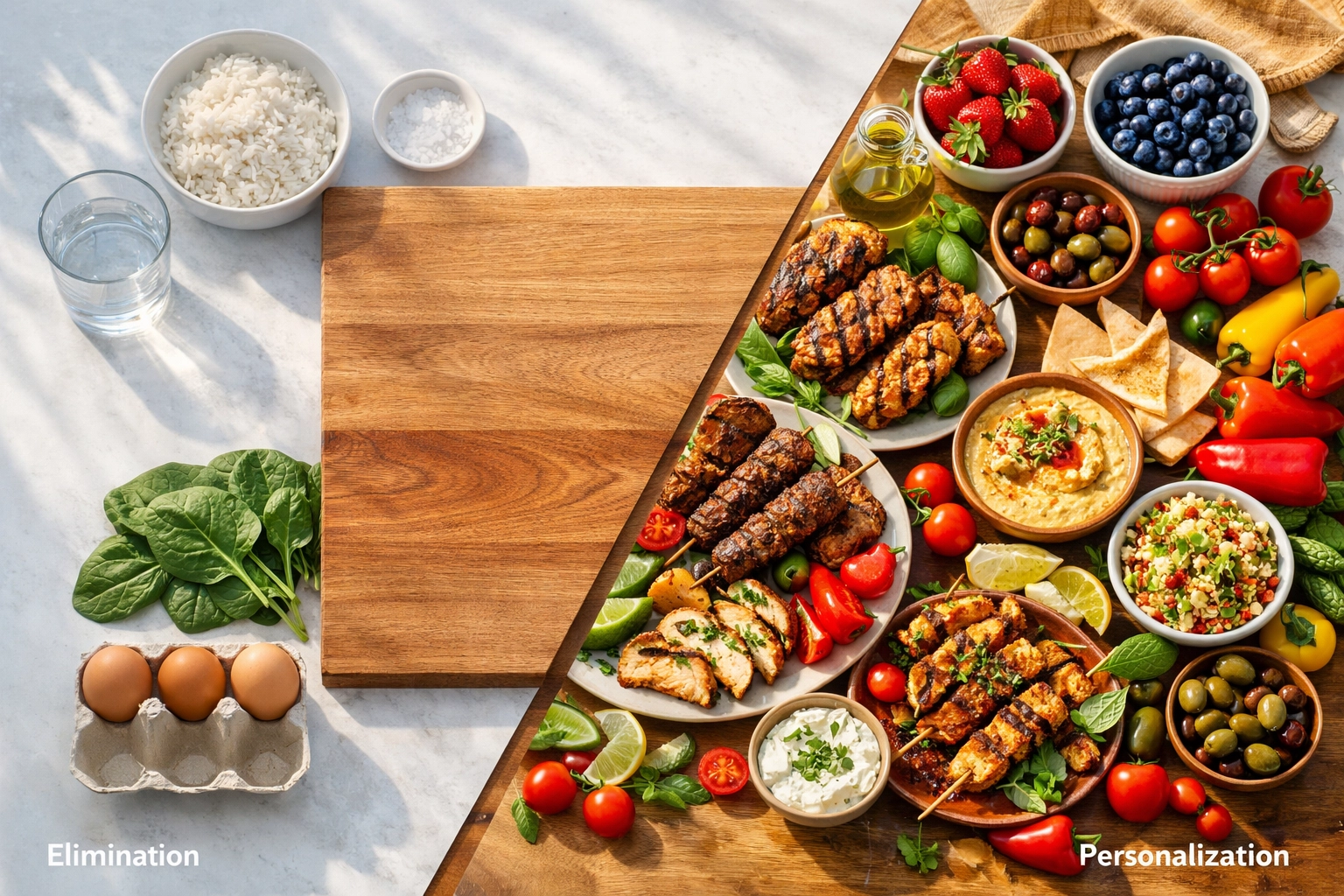
Phase 1: Elimination (2–6 Weeks)
You swap all high-FODMAP foods for low-FODMAP alternatives. The goal isn't to be "perfect," but to reduce the total FODMAP "bucket" so your symptoms settle down. If you don't see a significant improvement in 4–6 weeks, your issues might not be FODMAP-related (it could be SIBO, Gastroparesis, or IBD), and you should consult a specialist.
Phase 2: Reintroduction (6–8 Weeks)
This is the "Science Lab" phase. You systematically test each FODMAP group one by one. For example, you might eat a small amount of honey (Fructose) for three days and monitor your reaction. This tells you exactly which "letters" in the acronym are your personal enemies.
Phase 3: Personalization (Long-Term)
Once you know your triggers, you bring back everything else. Most people find they can handle "Moderate" amounts of certain FODMAPs but need to avoid others entirely. This ensures long-term gut health and dietary variety.
High-FODMAP vs. Low-FODMAP Reference Table
Navigating the grocery store can feel like a minefield. Use this table as a high-level guide for common substitutions.
| Food Category | High-FODMAP (Limit These) | Low-FODMAP (Safe Swaps) |
|---|---|---|
| Vegetables | Garlic, Onions, Mushrooms, Cauliflower | Carrots, Potatoes, Spinach, Zucchini |
| Fruits | Apples, Pears, Mangoes, Watermelon | Strawberries, Oranges, Grapes, Kiwi |
| Proteins | Marinated meats, Silken tofu, Legumes | Beef, Chicken, Eggs, Firm tofu, Tempeh |
| Grains | Wheat-based bread, Pasta, Rye, Barley | Rice, Quinoa, Gluten-free oats, Corn |
| Dairy | Cows' milk, Soy milk (from beans), Yogurt | Lactose-free milk, Almond milk, Hard cheeses |
| Sweeteners | Honey, Agave, Sorbitol, Xylitol | Maple syrup, Stevia, Table sugar (sucrose) |
Data-Driven Insights: Is It Worth the Effort?
Clinical research from Monash University (the pioneers of this diet) and recent 2025-2026 meta-analyses show impressive results:
- 70-80% Success Rate: Approximately 3 out of 4 people with IBS report significant symptom relief.
- Pain Reduction: Studies show a marked decrease in the "severity" of abdominal pain scores compared to a standard "healthy" diet.
- Mental Health: Because 90% of the body's serotonin is produced in the gut, reducing gut inflammation and irritation has been shown to lower anxiety levels in chronic IBS patients.
However, the data also warns against long-term strict restriction. Prolonged elimination can reduce the population of Bifidobacteria in the gut, which are crucial for immune function. This is why the reintroduction phase is not optional: it is medically necessary.

Common Pitfalls and 2026 Strategy
In 2026, we are moving away from the "all or nothing" approach. Many practitioners now recommend the "FODMAP-Gentle" approach for certain individuals (like the elderly, those at risk for eating disorders, or those with mild symptoms). This involves only cutting out the "Big Three": Onions, Garlic, and Wheat.
Common Mistakes to Avoid:
- Ignoring Portion Sizes: A small amount of almonds is low-FODMAP, but a large handful is high-FODMAP. This is called "FODMAP Stacking."
- The "Gluten-Free" Trap: Low-FODMAP is not Gluten-Free. While many gluten-free products are safe because they lack wheat (a source of fructans), they might contain honey or agave, making them high-FODMAP.
- Supplements: Many fiber supplements (like Inulin) are extremely high in FODMAPs. If your "gut health" supplement is making you bloated, check the label for chicory root or inulin.
Implementation Checklist for Success
If you’re ready to start, follow these steps to ensure you don't give up by day three:
- Clear the Pantry: Get rid of the obvious triggers like garlic powder and onion-heavy sauces.
- Stock Up on Infused Oils: Garlic-infused olive oil provides the flavor of garlic without the fermentable fructans (which are water-soluble but not oil-soluble).
- Use an App: The Monash University FODMAP app is the most reliable, data-backed tool available.
- Focus on What You CAN Eat: Don't obsess over the restriction. Focus on steaks, eggs, sourdough (traditional slow-fermented sourdough is often low-FODMAP), and fresh berries.
The Low-FODMAP diet is a journey of discovery. It requires patience and a bit of "bio-hacking" spirit, but for those who have lived in fear of their next meal, it is a life-changing roadmap to freedom.
About the Author: Malibongwe Gcwabaza
Malibongwe Gcwabaza is the CEO of blog and youtube, a platform dedicated to demystifying complex health science for the modern achiever. With a background in executive leadership and a passion for personalized longevity, Malibongwe focuses on high-leverage wellness strategies that bridge the gap between clinical research and daily performance. When not dissecting the latest metabolic health data, he explores the intersection of technology and human flourishing.
About the Author