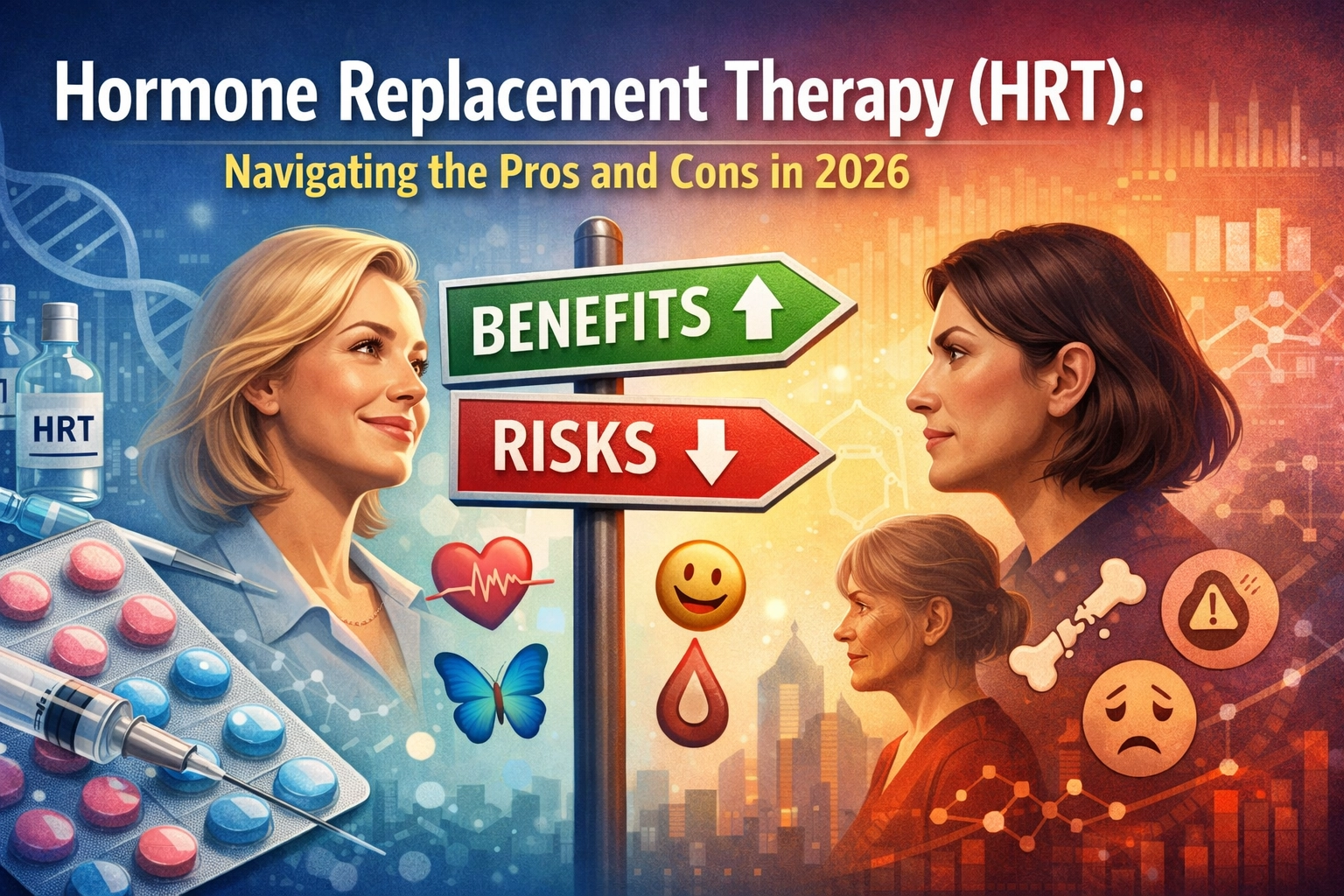
For decades, Hormone Replacement Therapy (HRT) was the "third rail" of women’s health. Following the 2002 Women’s Health Initiative (WHI) study, a wave of panic swept through the medical community, leading millions of women to abandon treatment overnight. Fast forward to 2026, and the landscape has fundamentally shifted. We are no longer in an era of "one size fits all" or "avoid at all costs."
Instead, we’ve entered the age of Precision Longevity. With the FDA removing outdated warnings and new data highlighting the neuroprotective and cardiovascular benefits of early intervention, HRT is being redefined not just as a fix for hot flashes, but as a critical tool for extending "healthspan."
This guide dives into the technical nuances, the latest 2026 data, and the biological trade-offs you need to understand to make an informed decision.
What is HRT in 2026?
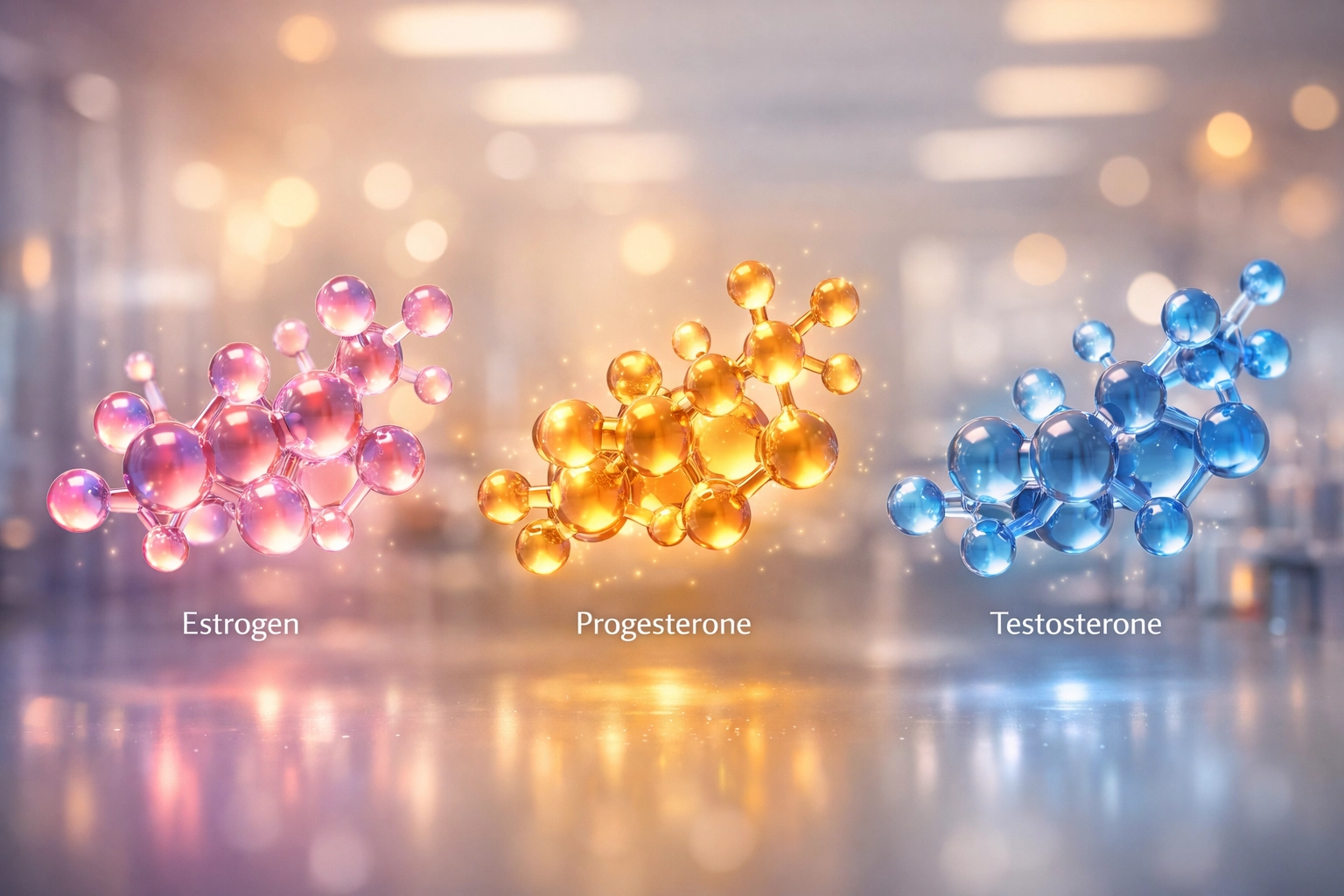
At its core, HRT involves supplementing the body with hormones: primarily estrogen, progesterone, and sometimes testosterone: that decline during perimenopause and menopause. However, the way we do this has evolved.
In 2026, the focus has shifted toward Bioidentical Hormone Therapy (BHRT). Unlike older synthetic versions (like Premarin, derived from pregnant mare urine), bioidenticals are molecularly identical to the hormones your body produces naturally.
The Core Components
- Estrogen (Estradiol/E2): The primary driver for bone density, cardiovascular health, and temperature regulation.
- Progesterone: Critical for protecting the uterine lining (endometrium) if estrogen is being taken. It also has a calming effect on the nervous system.
- Testosterone: Often overlooked in women, but vital for libido, muscle mass (preventing sarcopenia), and cognitive clarity.
The Pros: Why HRT is a Longevity Pillar
The benefits of HRT in 2026 extend far beyond cooling down night sweats. We now view hormones as systemic signaling molecules that dictate how our cells age.
1. Bone Density and the "Sarcopenia Shield"
Osteoporosis is a silent killer. When estrogen drops, osteoclast activity (cells that break down bone) outpaces osteoblast activity (cells that build bone). Data from 2025 and early 2026 indicates that women who start HRT within the "Golden Window" (the first 10 years of menopause) see a 13% reduction in fracture risk. By maintaining bone density, you are essentially buying insurance against the frailty that often leads to a decline in late-life quality of life.
2. Cardiovascular Protection
For years, people thought HRT caused heart disease. We now know the opposite is true for younger women. Estrogen helps maintain the elasticity of blood vessels and improves lipid profiles (increasing HDL and lowering LDL). When initiated early, HRT can significantly reduce the risk of atherosclerosis.
3. Neuroprotection and Cognitive Reserve
Emerging research into the "Gut-Brain-Hormone" axis suggests that estradiol plays a massive role in glucose metabolism within the brain. Some 2026 longitudinal studies suggest that early HRT may lower the risk of Alzheimer’s and related dementias by preventing the metabolic "dip" the brain experiences during the menopausal transition.
4. Metabolic Flexibility and Insulin Sensitivity
Menopause is often accompanied by "the change" in body composition: specifically, an increase in visceral (belly) fat. Estrogen helps regulate insulin sensitivity. By stabilizing hormone levels, women can more easily maintain metabolic flexibility, allowing the body to switch between burning carbs and fats efficiently.
| Benefit Category | Impact on Longevity | 2026 Clinical Consensus |
|---|---|---|
| Skeletal | High | Prevents 50-80% of bone loss in the first 5 years. |
| Cognitive | Moderate/High | Potential 20-30% reduction in neurodegenerative risk. |
| Metabolic | Moderate | Reduces risk of Type 2 Diabetes by improving insulin signaling. |
| Quality of Life | Immediate | 90% reduction in vasomotor symptoms (hot flashes). |
The Cons: Understanding the Risks and Nuances
No medical intervention is without risk. The key is distinguishing between absolute risk and relative risk.
1. The Breast Cancer Conversation
This remains the biggest concern for most patients. Current data suggests that Combined HRT (Estrogen + Progesterone) carries a slightly increased risk: approximately 5 additional cases per 1,000 women over 5 years of use. Interestingly, Estrogen-only therapy (for women who have had a hysterectomy) has shown a decrease in breast cancer risk in some cohorts.
2. Blood Clots and Stroke (Thrombosis)
The route of administration matters immensely here. Oral estrogen passes through the liver (the first-pass effect), which can increase the production of clotting factors.
- The 2026 Standard: Transdermal delivery (patches, gels, or creams) bypasses the liver and shows almost no increased risk of blood clots or stroke in healthy women.
3. Uterine Health
If a woman has a uterus and takes estrogen alone, the uterine lining can thicken, significantly increasing the risk of endometrial cancer. This is why progesterone is non-negotiable for anyone with an intact uterus.
The "Golden Window" Hypothesis: Why Timing is Everything
If there is one technical takeaway from 2026 medicine, it is the Timing Hypothesis.
The risks associated with HRT: stroke, heart disease, and dementia: increase significantly if therapy is started late (usually defined as age 65+ or 20 years after the onset of menopause). At this stage, blood vessels may already have established plaques, and introducing estrogen can potentially destabilize them.
- Optimal Start: Perimenopause or early Menopause (typically ages 45-55).
- High-Risk Start: Age 65+ with no prior hormone therapy.
Modern Delivery Methods in 2026
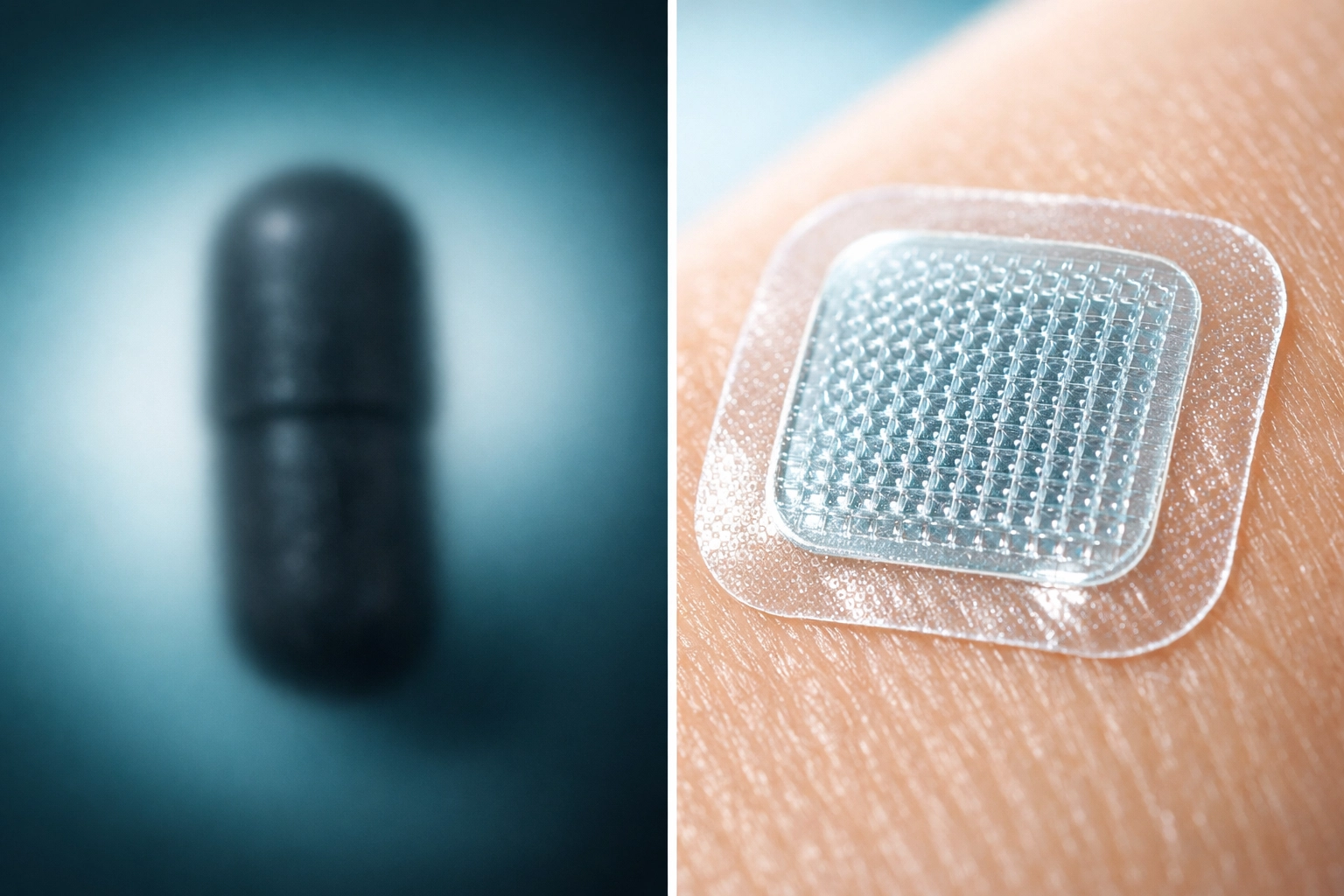
We have moved away from the standard "pill a day" approach. Personalized longevity clinics now utilize a variety of delivery systems tailored to a woman’s lifestyle and biomarkers.
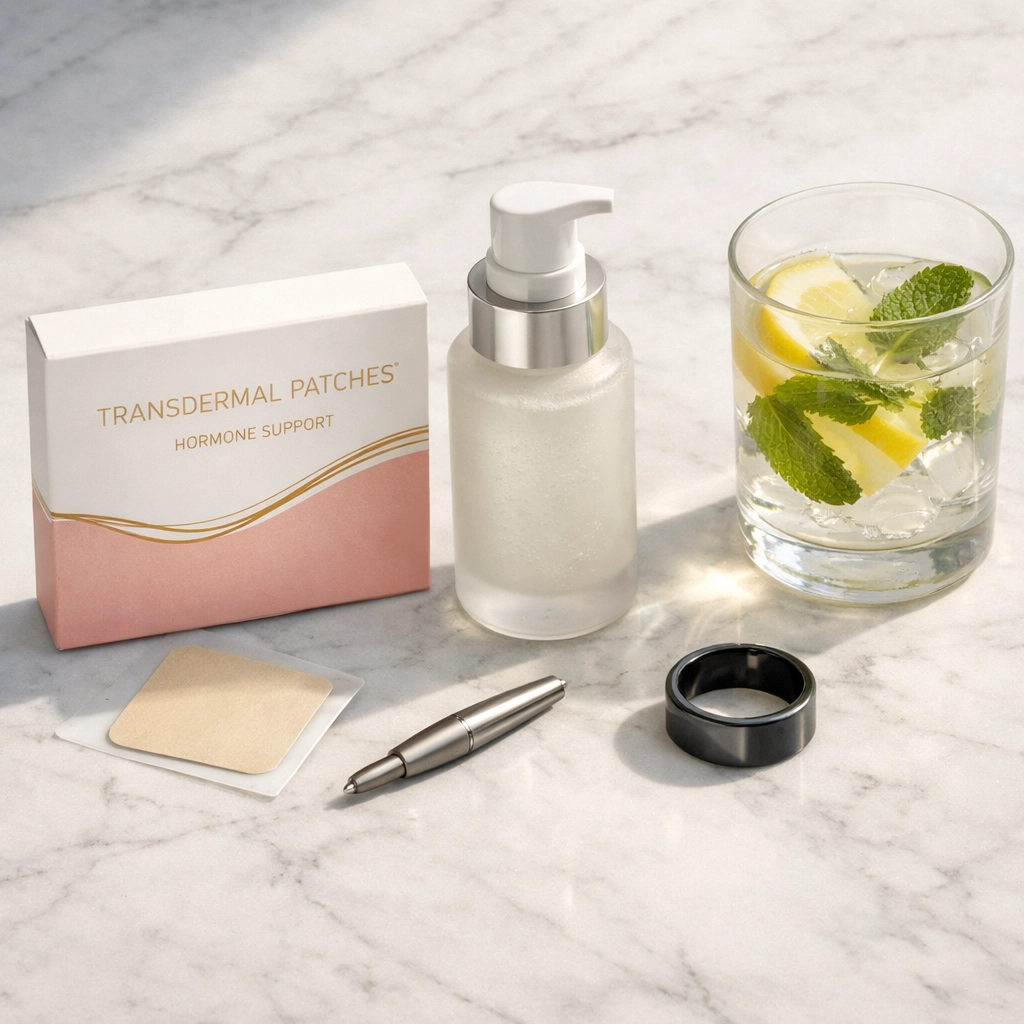
- Transdermal Patches/Gels: The gold standard for steady-state hormone levels and safety.
- Vaginal Rings/Creams: Excellent for localized symptoms (urogenital health) with minimal systemic absorption.
- Pellet Therapy: Subcutaneous implants that release hormones over 3–5 months. While convenient, they can be harder to "dial in" if the dose is too high.
- Oral Micronized Progesterone: Often taken at night because it metabolizes into substances that promote deep sleep.
How to Navigate the Decision: A Step-by-Step Guide
If you are considering HRT in 2026, follow this protocol to ensure you are optimizing for healthspan, not just symptom relief.
Step 1: Comprehensive Blood & Saliva Panels
Don't just check "FSH" levels. You need a full look at:
- Estradiol, Estrone, and Estriol
- Progesterone
- Total and Free Testosterone
- SHBG (Sex Hormone Binding Globulin)
- CRP (C-Reactive Protein) to check for systemic inflammation.
Step 2: Assess Your Personal Risk Profile
HRT is generally contraindicated if you have:
- A history of hormone-receptor-positive breast cancer.
- Unexplained vaginal bleeding.
- History of active blood clots (DVT) or pulmonary embolism.
- Active liver disease.
Step 3: Choose Bioidentical over Synthetic
Ensure your provider is prescribing micronized progesterone (like Prometrium) and 17β-estradiol, rather than synthetic progestins (like Medroxyprogesterone) which have been linked to higher breast cancer risks.
Step 4: The "Lowest Effective Dose" vs. "Optimization"
In the past, the rule was "lowest dose for the shortest time." In 2026, the philosophy has shifted toward "the dose required to maintain physiological health." This means monitoring bone density and cognitive function, not just waiting for hot flashes to stop.

The Future: AI-Driven Hormone Optimization
As we look toward the late 2020s, the integration of Continuous Glucose Monitors (CGM) and wearable tech with HRT protocols is becoming common. AI algorithms can now predict how your hormonal fluctuations will affect your insulin sensitivity and sleep architecture, allowing doctors to adjust dosages with surgical precision.
We are moving away from "menopause management" and toward Endocrine Optimization.
Conclusion
HRT is no longer a "scary" medical intervention; it is a sophisticated tool for biological management. While it isn't for everyone, the data in 2026 clearly shows that for the majority of women, the long-term benefits for the heart, brain, and bones far outweigh the statistical risks: provided the therapy is started at the right time and delivered via the right method.
Always consult with a functional medicine practitioner or a menopause specialist who stays current with the latest longevity research. Your "Real Age" depends on it.
Author Bio
Malibongwe Gcwabaza is the CEO of blog and youtube and a dedicated advocate for health optimization and biohacking. With a background in health communications and a passion for longevity science, Malibongwe focuses on translating complex medical data into actionable lifestyle shifts. When not deep-diving into the latest clinical trials, he can be found exploring the intersection of AI and personalized wellness to help others live better, not just longer.
About the Author