The "Fourth Trimester" is the critical 12-week period following childbirth. While society often focuses on the "glow" of a new baby, the physiological reality for the mother is one of massive systemic recalibration. Your body has just performed a feat of biological engineering, and the recovery process is not a "bounce back", it is a strategic rebuild.
In 2026, we have moved past the generic advice of "wait six weeks and then start jogging." Modern sports science and pelvic health research now provide a data-driven roadmap for postpartum recovery. This guide breaks down the technical aspects of tissue healing, hormonal shifts, and progressive loading to help you navigate the first 90 days and beyond.
The Physiological Reality: What’s Actually Happening?
Before picking up a dumbbell or hitting the treadmill, you must understand the internal state of your "post-op" body. Whether you had a vaginal delivery or a C-section, your body is managing several major recovery tasks simultaneously:
- Uterine Involution: The uterus must shrink from the size of a watermelon back to the size of a pear. This is driven by high levels of oxytocin.
- Hormonal Crash: Within 48 hours of delivery, estrogen and progesterone levels drop by nearly 95%. This "hormonal cliff" impacts joint stability, mood, and metabolic rate.
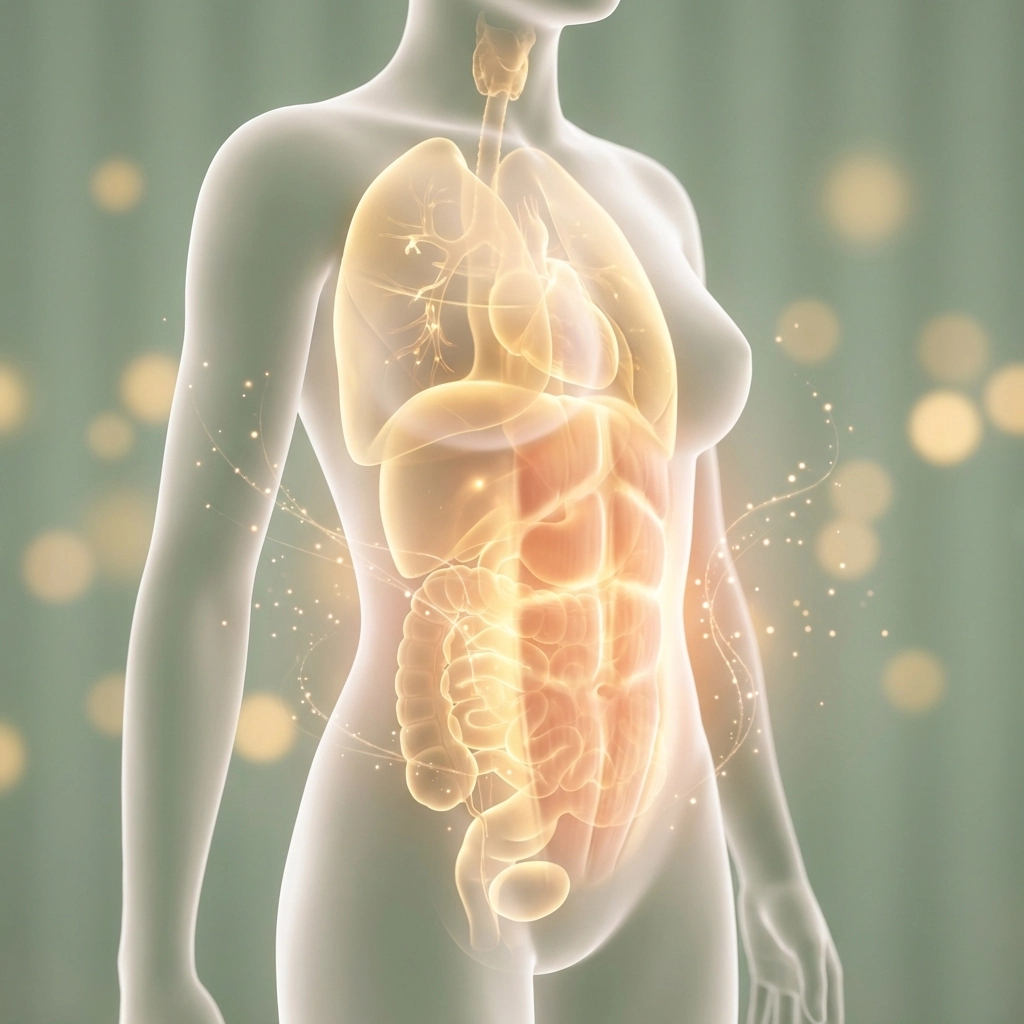
- Organ Repositioning: During pregnancy, your intestines, stomach, and liver were displaced. In the fourth trimester, these organs shift back into their original cavities, affecting digestion and core pressure.
- Tissue Remodeling: The linea alba (the connective tissue between your abs) and the pelvic floor muscles have been stretched to their physiological limits.
The 12-Week Recovery Roadmap
Recovery is not linear. It follows a phased approach based on biological healing timelines. The following table summarizes the primary focus of each phase.
Table 1: Postpartum Recovery Phases (0–12 Weeks)
| Phase | Timeline | Primary Focus | Recommended Activity |
|---|---|---|---|
| Phase 1: Acute Healing | Weeks 0–3 | Rest, lymphatic drainage, pelvic floor connection | Diaphragmatic breathing, gentle walking (5–10 mins) |
| Phase 2: Activation | Weeks 3–6 | Gentle core stability, postural correction | Pelvic tilts, glute bridges (bodyweight), transverse abdominis (TvA) engagement |
| Phase 3: Foundational Strength | Weeks 6–9 | Functional movement patterns, increasing volume | Squats, lunges, modified planks, light resistance bands |
| Phase 4: Return to Impact | Weeks 10–12+ | Power, endurance, and impact prep | Jogging (if cleared), heavier lifting, sport-specific drills |
Deep Dive: The Core Cylinder and Pelvic Health
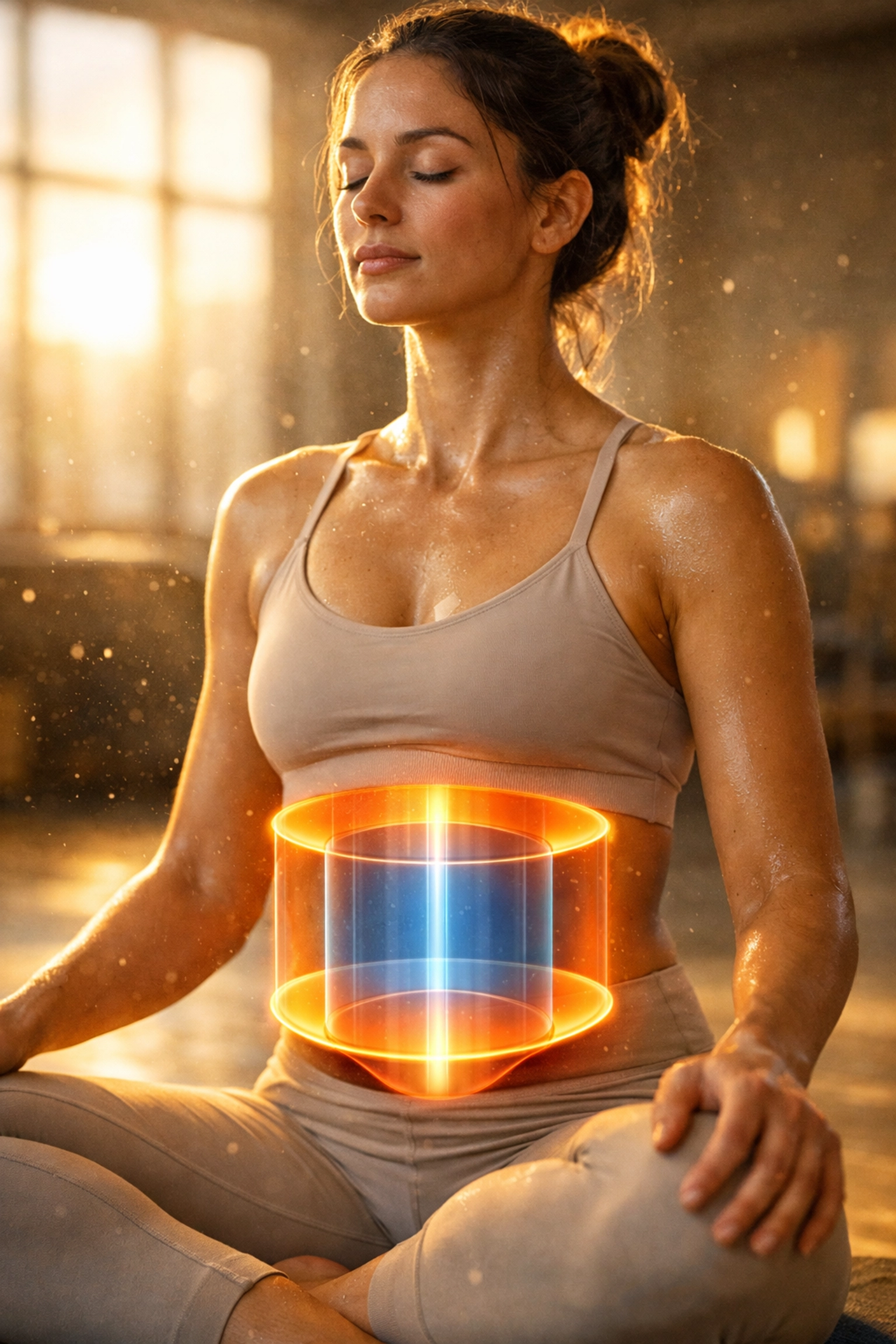
The biggest mistake made in postpartum fitness is focusing on "abs" (the rectus abdominis) before addressing the "core cylinder." Your core is a pressurized system consisting of the diaphragm (top), the pelvic floor (bottom), the TvA (sides), and the multifidus (back).
1. Diaphragmatic Breathing (The Foundation)
Pregnancy often forces women into "chest breathing" because the baby limits diaphragm excursion. Postpartum, you must relearn how to breathe into your ribcage. This isn't just about oxygen; it’s about managing Intra-Abdominal Pressure (IAP). If you hold your breath during exercise, that pressure goes straight down into your healing pelvic floor, increasing the risk of prolapse.
2. Managing Diastasis Recti (DR)
Diastasis Recti is the separation of the abdominal muscles. In 2026, the clinical focus has shifted from the width of the gap to the tension of the midline. A 2cm gap that feels firm is much better than a 1cm gap that feels squishy.
- Technical Tip: Avoid "doming" or "coning" along your midline during movement. If you see a ridge protruding when you sit up or lift, your core cannot yet handle that level of pressure.
Training for the "Centenarian Decathlon" Postpartum
The concept of the "Centenarian Decathlon," popularized by longevity experts, applies perfectly here. You aren't just training to fit into old jeans; you are training for the physical demands of motherhood. Picking up a 15lb car seat is a "weighted carry." Bending over a crib is a "hinge."
Essential Movement Patterns
To rebuild safely, focus on these five functional movements:
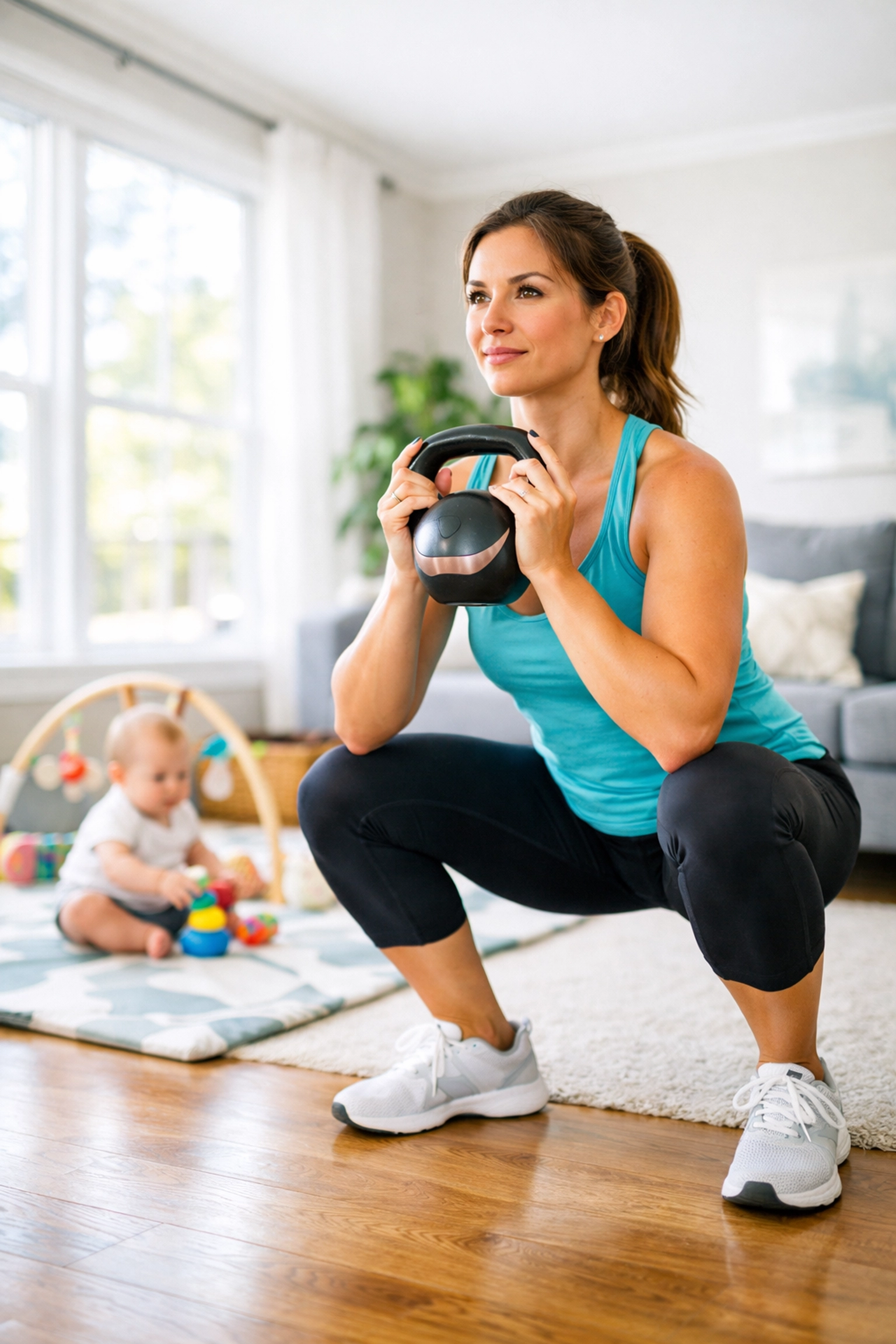
- The Box Squat: Teaches you to use your glutes rather than putting pressure on your knees and pelvic floor.
- The Glute Bridge: Essential for "waking up" the posterior chain, which often goes dormant during pregnancy.
- The Bird-Dog: A gold-standard move for spinal stability and TvA activation without excessive load.
- The Modified Side Plank: Builds lateral stability, which is crucial for carrying a baby on one hip.
- The Farmer’s Carry: Practice walking with weights to simulate carrying groceries and gear while maintaining a neutral spine.
Nutrition and Biology: Fueling the Repair
Your metabolic demands in the fourth trimester are higher than during pregnancy, especially if you are breastfeeding.
- Protein Requirements: Aim for 1.2 to 1.5 grams of protein per kilogram of body weight. Protein provides the amino acids (proline, glycine, hydroxyproline) necessary to repair the collagen fibers in the linea alba and pelvic floor.
- Micronutrients for Tissue Healing:
- Vitamin C: Essential for collagen synthesis.
- Zinc: Supports cell division and wound healing (especially critical for C-section recovery).
- Omega-3s: To combat systemic inflammation and support brain health (mitigating "mom brain").
- Hydration and Electrolytes: Low sodium or dehydration can lead to decreased milk supply and increased muscle cramping.
Technical Red Flags: When to Stop
In the pursuit of fitness, many women ignore subtle signals from their bodies. If you experience any of the following during or after exercise, it is a sign that your current intensity exceeds your tissue's capacity:
- Heaviness or Bulging: A feeling of "something falling out" in the vaginal area (indicative of pelvic organ prolapse).
- Incontinence: Leaking urine during jumping, sneezing, or lifting. This is common but not normal.
- Pain: Specifically in the pubic bone (symphysis pubis dysfunction) or the C-section scar site.
- Increased Bleeding: If your lochia (postpartum bleeding) becomes bright red or heavier after a workout, you have overexerted yourself.
The Role of Technology in 2026 Recovery
We now have access to tools that make recovery more objective. Consider utilizing:
- Wearable Recovery Scores: Use devices like Oura or Whoop to monitor your Heart Rate Variability (HRV). If your HRV is low, your nervous system is still in "survival mode": that is a day for mobility and sleep, not high-intensity intervals.
- At-Home Pelvic Floor Trainers: Biofeedback devices can help you ensure you are actually contracting and relaxing your pelvic floor correctly.
- Telehealth Physical Therapy: Accessing a Pelvic Floor Physical Therapist (PFPT) via video call is now a standard of care and highly recommended before returning to high-impact sports.

Summary: The Long Game
The "Fourth Trimester" is just the beginning. Research suggests that it takes a full 12 months for the body to fully recover its pre-pregnancy nutrient stores and for connective tissues to regain their full tensile strength.
By treating the first 12 weeks as a rehabilitative phase rather than a fitness sprint, you set the foundation for a lifetime of strength. Respect the biology of the "Fourth Trimester," prioritize technical movement over intensity, and remember that your body did not just change: it evolved.
Author Bio: Malibongwe Gcwabaza
Malibongwe Gcwabaza is the CEO of blog and youtube and a leading voice in the intersection of health, technology, and longevity. With a background in health optimization and a passion for data-driven wellness, Malibongwe focuses on making complex medical and fitness research accessible to everyone. Through his work, he aims to empower individuals to take control of their biological health using the latest scientific insights of 2026.
About the Author