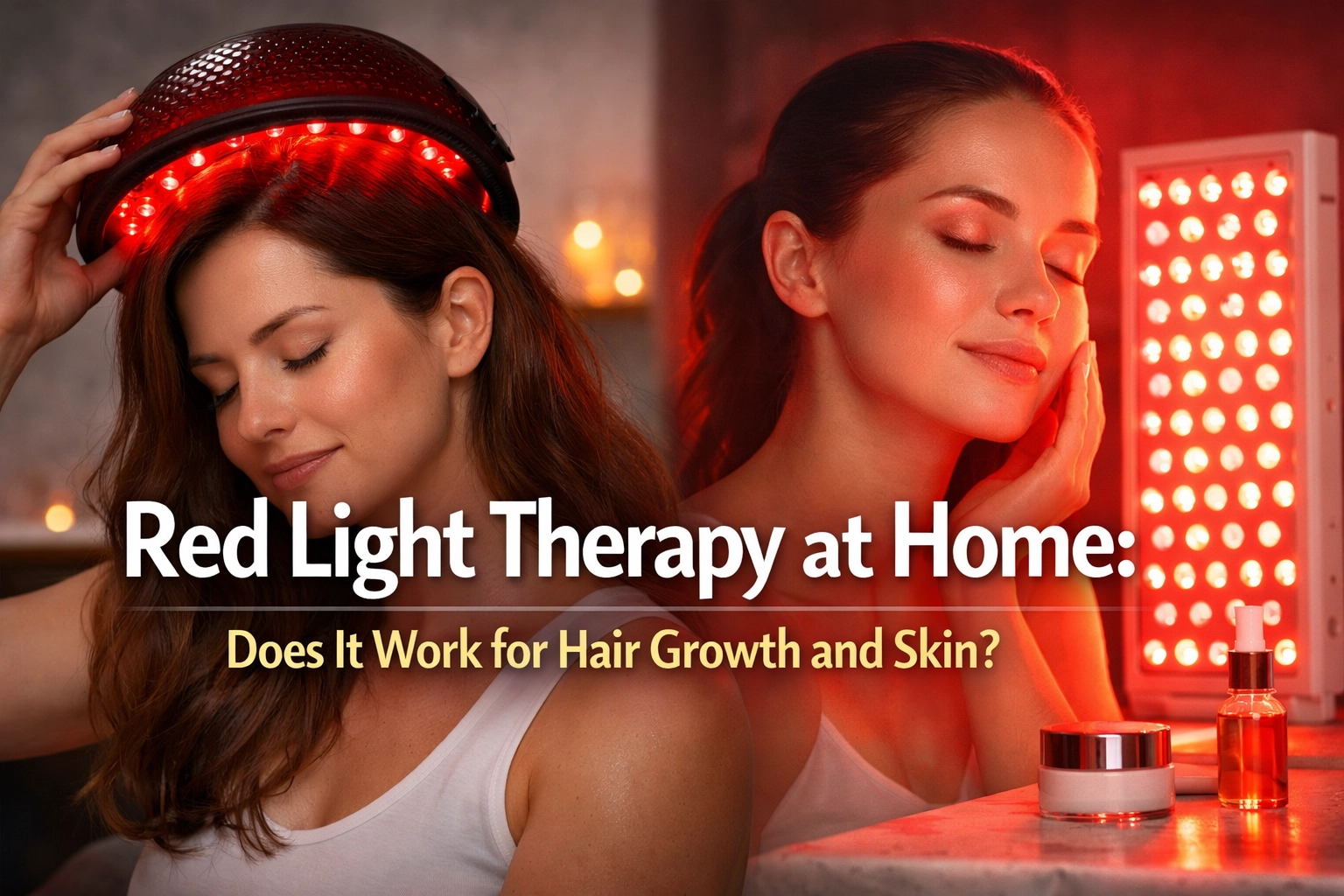
Red light therapy (RLT) has moved from the fringes of "alternative" clinics straight into the master bedrooms of biohackers and wellness enthusiasts in 2026. Whether you are looking at a futuristic-looking LED mask or a laser helmet designed to sprout new hair, the question remains: is this actual science or just expensive mood lighting?
Technically known as Photobiomodulation (PBM) or Low-Level Laser Therapy (LLLT), red light therapy uses specific wavelengths of light to interact with your cells. Unlike the UV rays from the sun that damage your skin, red and near-infrared light operate at a frequency that promotes repair.
In this deep dive, we’ll break down the mechanisms of action, the clinical data behind hair and skin rejuvenation, and how to choose an at-home device that actually delivers results.
The Biological Engine: How Light Becomes Energy
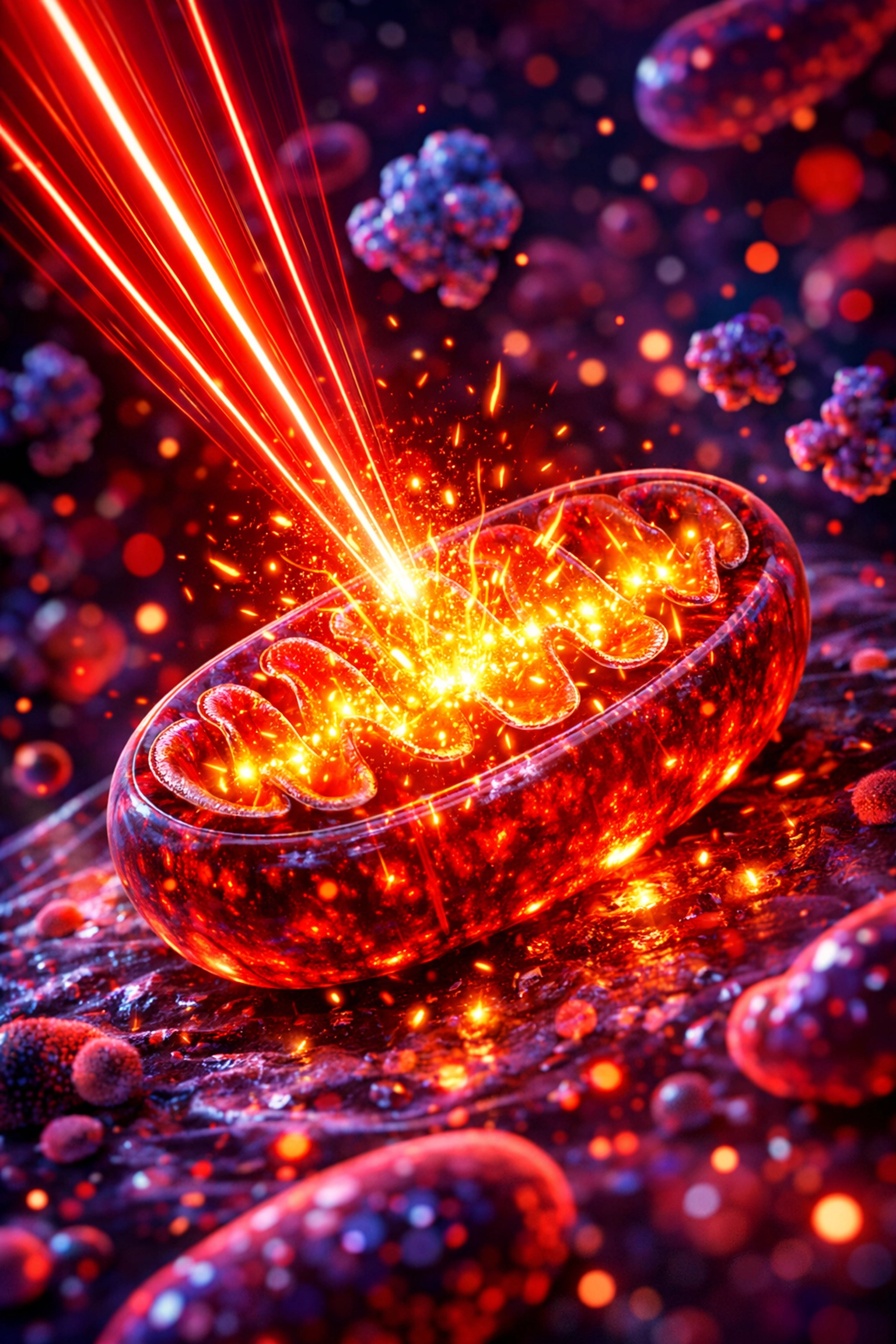
To understand why a red bulb might help your hair grow, you have to look at the mitochondria: the "powerhouses" of your cells.
When your cells are exposed to red light (typically in the 630–670 nm range) or near-infrared light (810–850 nm), a specific enzyme in your mitochondria called cytochrome c oxidase absorbs the light photons. This triggers a few critical reactions:
- Increased ATP Production: Adenosine triphosphate (ATP) is the energy currency of the cell. More ATP means the cell has more "fuel" to repair itself and function optimally.
- Hormesis: The light creates a tiny, controlled amount of oxidative stress that signals the cell to strengthen its antioxidant defenses.
- Nitric Oxide Release: Red light helps release nitric oxide, which dilates blood vessels, improving circulation and nutrient delivery to the treated area.
Red Light Therapy for Hair Growth: The 2026 Verdict
If you are dealing with androgenetic alopecia (pattern hair loss) or general thinning, RLT is one of the few non-drug interventions with significant clinical backing. As of 2026, the FDA has cleared numerous LLLT devices specifically for this purpose.
The Science of 650nm
Research consistently shows that the 650 nm wavelength is the "sweet spot" for scalp penetration. At this frequency, the light reaches the base of the hair follicle (the dermal papilla).
How it helps:
- Extending the Anagen Phase: Hair grows in cycles. RLT encourages hair to stay in the growth (anagen) phase longer and stay out of the shedding (telogen) phase.
- Increasing Density: A meta-analysis of clinical trials indicates that consistent RLT use can increase hair count by 20–35% in people with pattern baldness.
- Reversing Follicle Minimization: It can help "wake up" dormant follicles that have shrunk due to DHT (dihydrotestosterone) sensitivity.
Timeline and Expectations
The biggest mistake people make with at-home hair therapy is quitting too soon. Hair grows slowly.
- 0–3 Months: You likely won't see new hair, but you may notice a decrease in daily shedding.
- 4–6 Months: This is the "clinch" period where visible thickening and new "baby hairs" usually appear.
- Maintenance: RLT is not a permanent cure. If you stop using the device, the biological signaling stops, and hair loss will eventually resume its natural pace.
Skin Rejuvenation: Beyond the Glow
While the hair growth data is very specific to 650nm, skin health benefits from a broader range of red and near-infrared (NIR) light.
Collagen and Elastin Synthesis
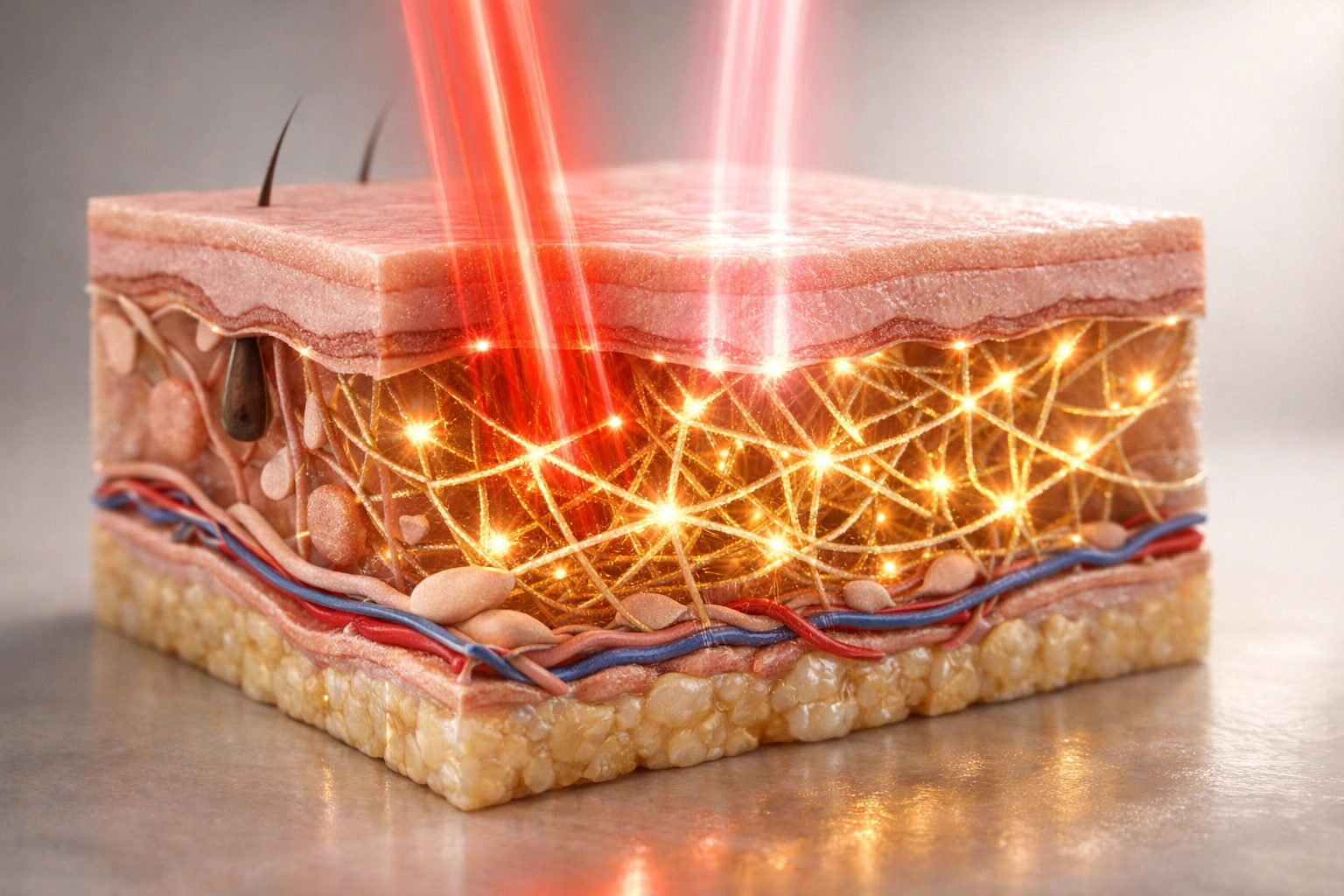
Red light (630–660 nm) targets the epidermis and dermis. It stimulates fibroblasts, the cells responsible for producing collagen and elastin. By 2026, we’ve seen a shift toward "multi-wavelength" masks that combine red light with NIR to reach deeper tissue layers.
| Skin Concern | Primary Wavelength | Expected Outcome |
|---|---|---|
| Fine Lines/Wrinkles | 633 nm / 660 nm | Improved skin elasticity and reduced wrinkle depth. |
| Acne & Inflammation | 415 nm (Blue) + 630 nm | Blue kills bacteria; Red reduces the redness/swelling. |
| Hyperpigmentation | 660 nm | Faster cell turnover to fade dark spots. |
| Deep Tissue Repair | 830 nm (NIR) | Reduced inflammation and faster healing of scars. |
The Role of Near-Infrared (NIR) Light
NIR light (800nm+) is invisible to the human eye but penetrates much deeper than red light. For skin, NIR is particularly effective at reducing "inflammaging": the chronic low-grade inflammation that accelerates the aging process.
Choosing an At-Home Device: What to Look For
Not all red light devices are created equal. The market is flooded with cheap "beauty wands" that don't have the power output required to trigger a biological response. When shopping for a device in 2026, look for these three technical specs:
1. Irradiance (Power Density)
Irradiance measures how much light energy is hitting your skin. It is usually measured in milliwatts per square centimeter (mW/cm²). For therapeutic effects, you want a device that delivers at least 30–50 mW/cm² at the recommended treatment distance.
2. Wavelength Precision
Ensure the manufacturer specifies the exact wavelengths. Look for "clinical grade" LEDs centered at 630nm, 660nm, and 850nm. Avoid devices that just list "Red Light" without a nanometer (nm) value.
3. EMF Emission
High-quality devices are engineered to have low Electromagnetic Field (EMF) emissions. Since you are often holding these devices close to your head or face, low-EMF shielding is a hallmark of a professional-grade product.
Comparison: Lasers vs. LEDs
There is a long-standing debate about whether lasers are better than LEDs for hair growth.
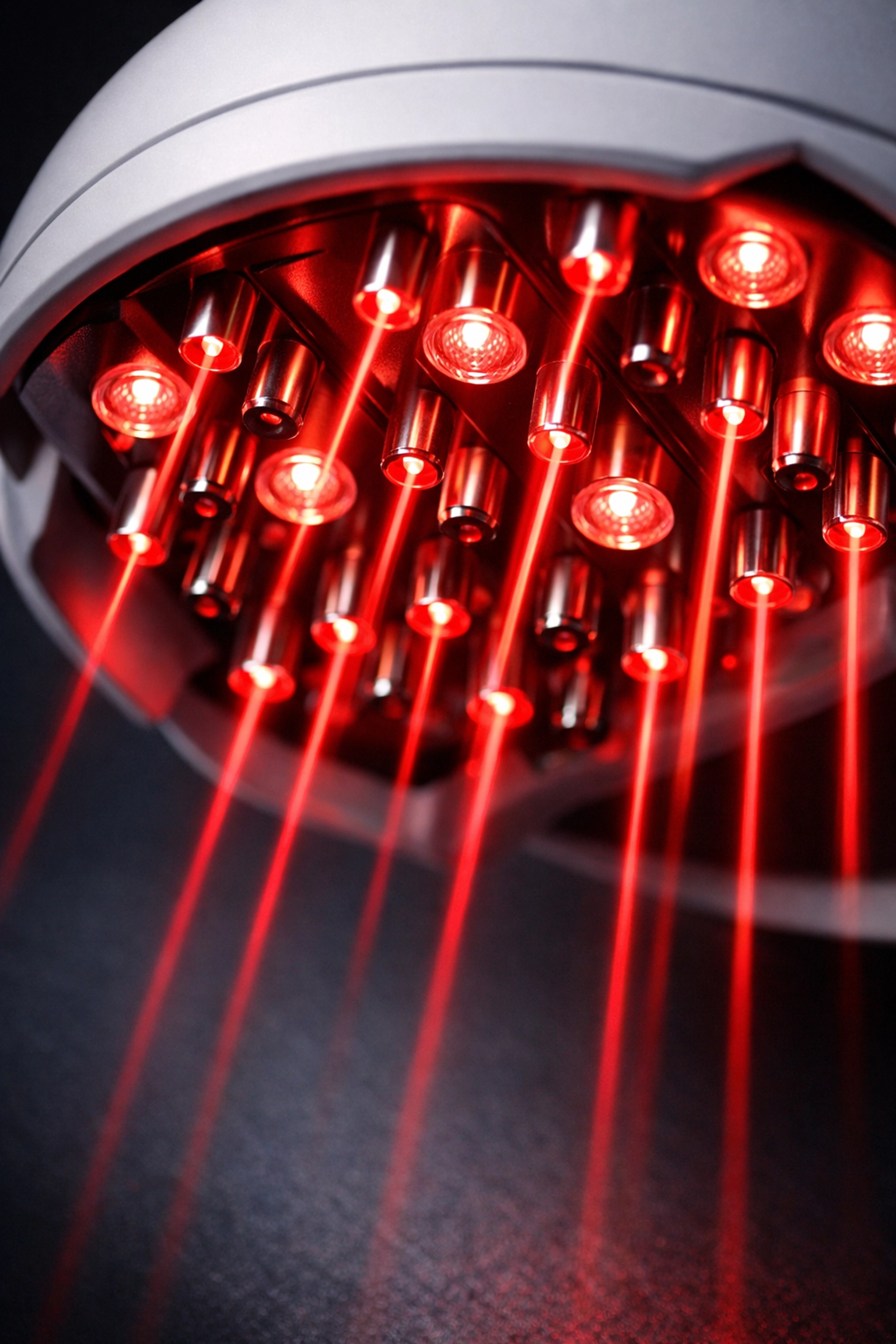
- Lasers (LLLT): These produce coherent light, meaning the light waves are in phase. Some argue this allows for deeper, more focused penetration of the hair follicle.
- LEDs: These produce non-coherent light. While less "focused," high-output LEDs have been shown in recent studies to be just as effective for skin and hair, provided the irradiance is high enough.
For hair, many premium helmets (like iRestore or Capillus) use a hybrid approach, combining lasers for deep follicle stimulation and LEDs for broader scalp coverage.
Safety and Side Effects
Red light therapy is non-invasive and generally considered safe for all skin types. However, there are a few "must-know" safety rules:
- Eye Protection: Even if you aren't looking directly at the light, the brightness can be taxing on the retinas. Always use the included goggles, especially with high-powered panels or NIR light.
- Photosensitizing Medications: If you are on medications like Tetracycline or certain acne treatments (Accutane), consult your doctor first, as these can make your skin hyper-reactive to light.
- Skincare Timing: Apply your serums after the treatment. Certain ingredients (like Retinol or heavy oils) can reflect the light or cause sensitivity if applied before you go under the LEDs.
Summary: Is It Worth the Investment?
If you are looking for a "miracle" that works overnight, red light therapy will disappoint you. However, if you are committed to a long-term longevity routine, the data is clear:
- For Hair: It is a highly effective, drug-free way to increase density and slow down thinning, especially when started early.
- For Skin: It is the ultimate "maintenance" tool for boosting collagen and keeping the skin barrier resilient against environmental stressors.
The "Ultimate 2026 Checklist" for RLT success is simple: Buy a device with verified irradiance, use it for 10–20 minutes at least 3–5 times a week, and be patient for at least four months.
About the Author: Malibongwe Gcwabaza
Malibongwe Gcwabaza is the CEO of blog and youtube and a dedicated advocate for functional fitness and longevity science. With a background in analyzing emerging health technologies, Malibongwe focuses on separating high-tech hype from evidence-based wellness strategies. When not diving into clinical trials, he can be found experimenting with his own biohacking stack in Johannesburg.
References & Data Points:
- Journal of Dermatological Treatment: Study on LLLT and hair density (2024 update).
- Photomedicine and Laser Surgery: Clinical trial results for red light and skin collagen.
- 2026 Global Wellness Institute Report: Trends in at-home Photobiomodulation.
About the Author