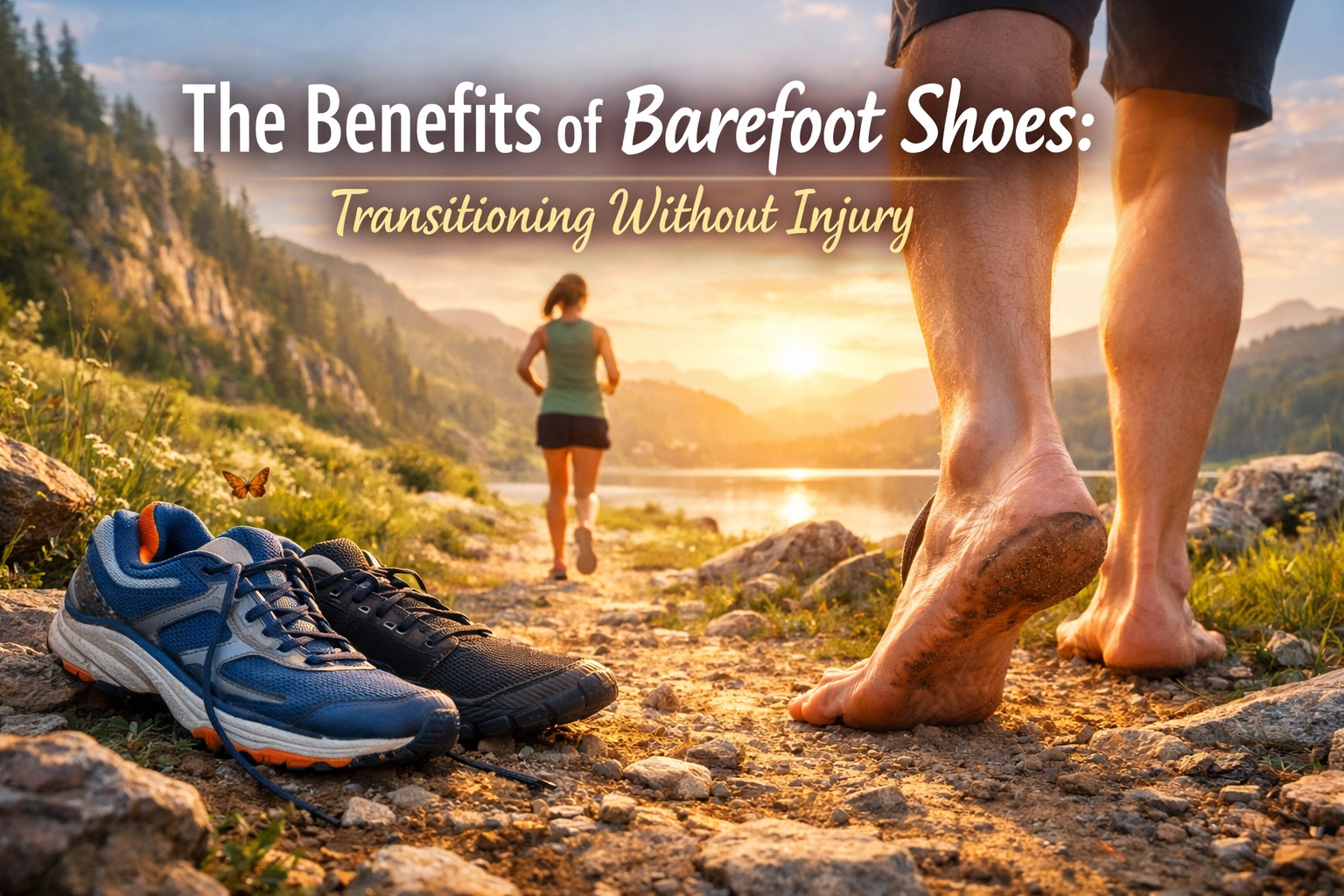
For most of human history, we moved across the earth with nothing between our skin and the soil, or at most, a thin layer of animal hide. Fast forward to the 21st century, and we have encased our feet in "foot coffins": overly cushioned, narrow, and rigid structures that have fundamentally altered our biomechanics.
Modern athletic shoes often feature a "drop" (the height difference between the heel and the forefoot) that shortens our Achilles tendons and shifts our center of gravity. While these shoes provide comfort in the short term, they have contributed to a quiet epidemic of foot atrophy, balance issues, and chronic joint pain.
Barefoot shoes: also known as minimalist footwear: aim to reverse this. But switching overnight can be a recipe for disaster. This guide explores the deep science of foot health and provides a technical, step-by-step protocol for transitioning safely.
The Anatomy of a Barefoot Shoe: The Four Pillars
To understand the benefits, we must first define what actually constitutes a barefoot shoe. It isn't just a "thin shoe." It must adhere to four specific engineering principles:
- Zero Drop: The heel and the forefoot are at the exact same height. This encourages a neutral spine and prevents the shortening of the calf muscles.
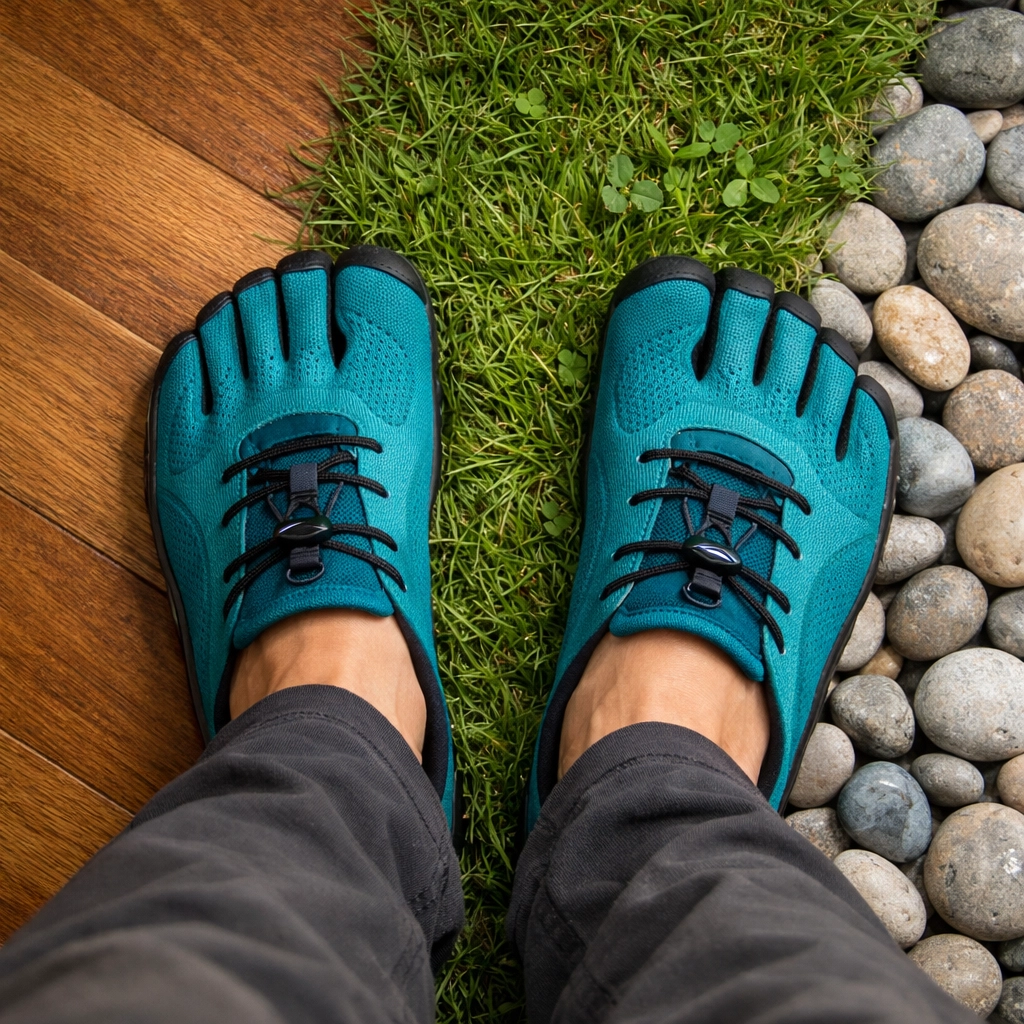
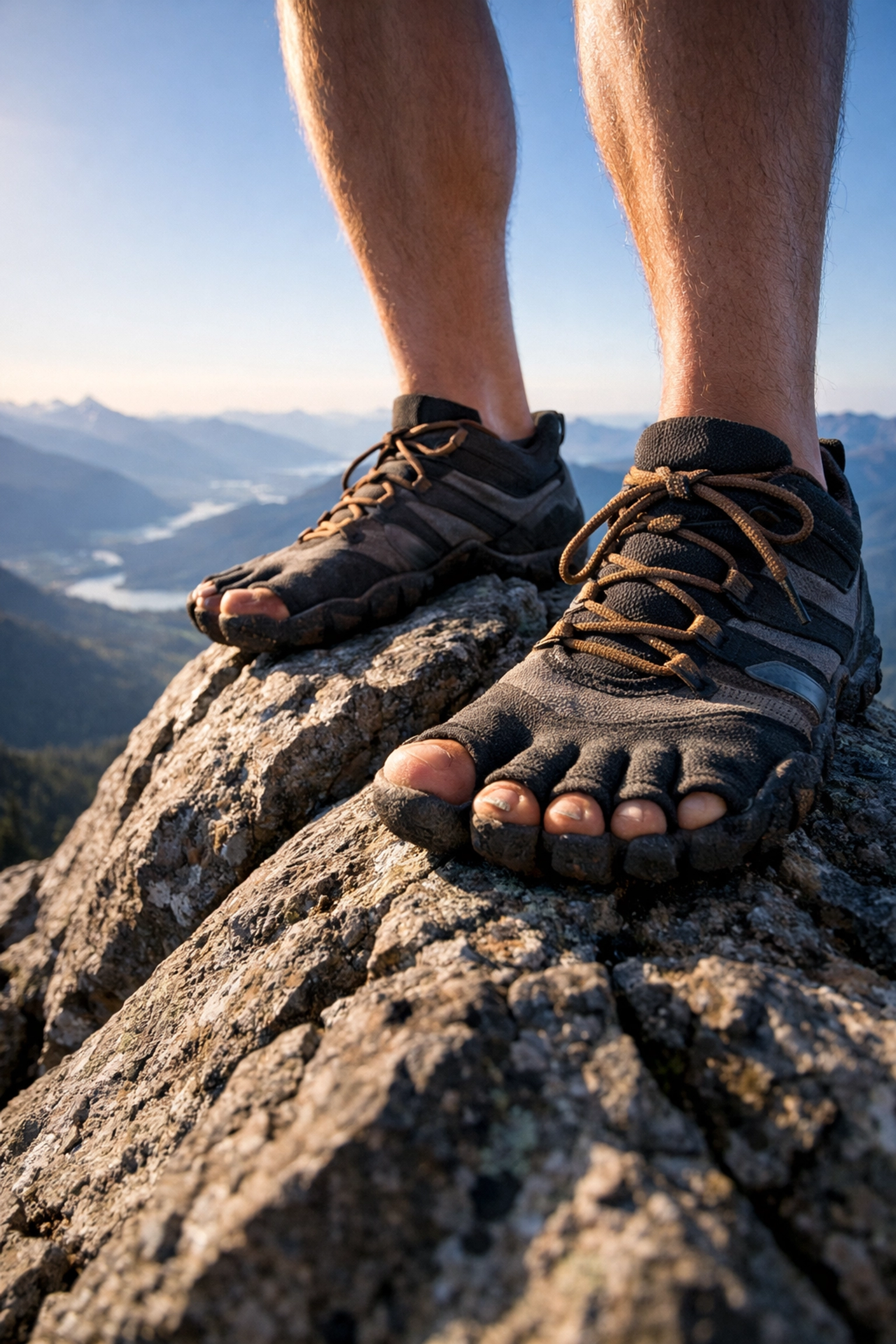
- Wide Toe Box: Unlike traditional sneakers that taper to a point, barefoot shoes are shaped like a human foot. This allows the hallux (big toe) to remain straight, which is critical for stability.
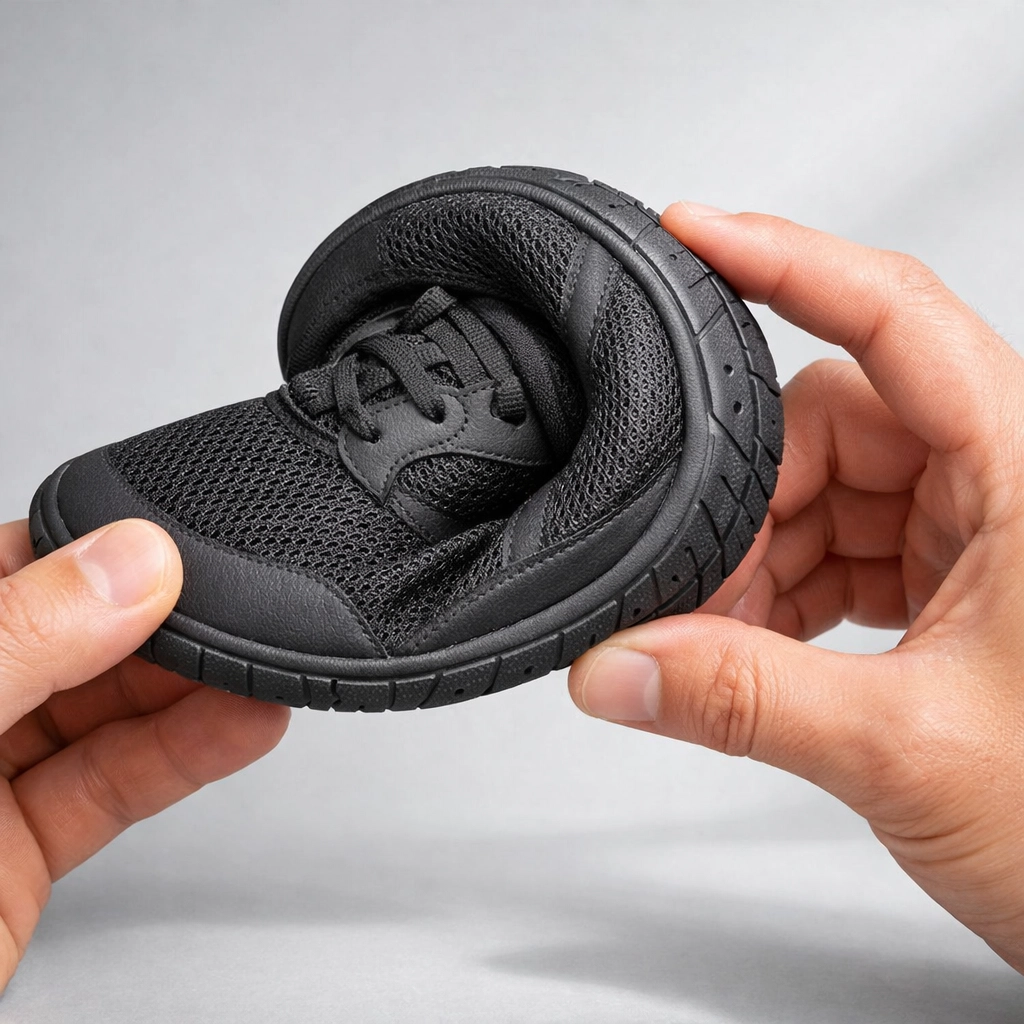
- Thin, Flexible Sole: A thin sole (usually 3mm to 8mm) allows for ground sensory feedback, while flexibility allows the 26 bones in the foot to move and adapt to the terrain.
- No Arch Support: This forces the internal muscles of the foot (the intrinsics) to engage and support the arch naturally, rather than relying on a foam "crutch."
The Science of Foot Strength and Proprioception
The human foot is an engineering marvel, containing 26 bones, 33 joints, and over 100 muscles, tendons, and ligaments. When we wear supportive shoes, these muscles begin to undergo disuse atrophy.
The 60% Strength Increase
A landmark study published in Scientific Reports demonstrated that walking in minimalist shoes for six months can increase foot muscle strength by as much as 60%. This is significant because the foot is the foundation of the entire kinetic chain. When your "foundation" is weak, your knees, hips, and lower back must compensate for the lack of stability.
Enhancing Proprioception
Proprioception is your brain’s ability to perceive the position and movement of your body in space. The soles of your feet are packed with thousands of nerve endings. Thick foam soles act like noise-canceling headphones for your brain. By switching to thin soles, you re-establish the feedback loop between your feet and your central nervous system, leading to better balance, faster reaction times, and a more natural gait.
Comparing Footwear: Traditional vs. Barefoot
| Feature | Traditional Athletic Shoe | Barefoot / Minimalist Shoe |
|---|---|---|
| Heel-to-Toe Drop | 8mm to 12mm (Elevated) | 0mm (Flat) |
| Toe Box Shape | Tapered / Narrow | Wide / Foot-Shaped |
| Arch Support | Built-in rigid foam | None (Natural arch activation) |
| Sensory Feedback | Muted / Cushioned | High / Ground-feel |
| Primary Strike | Heel strike | Midfoot or Forefoot strike |
| Muscle Engagement | Low (Passive) | High (Active) |
The Biomechanics of the Gait Shift
When you wear a shoe with a thick heel, you are almost forced into a "heel strike" while running or walking. This sends a shockwave: known as the transient impact force: directly up through your skeleton.
Barefoot shoes encourage a midfoot or forefoot strike. Because there is no cushion to catch a heavy heel landing, your body naturally adapts by landing more softly. Your calf muscles and Achilles tendon act as natural springs, absorbing energy and releasing it, which is far more efficient and significantly reduces the impact on the knee joints.
Why a Fast Transition Leads to Injury
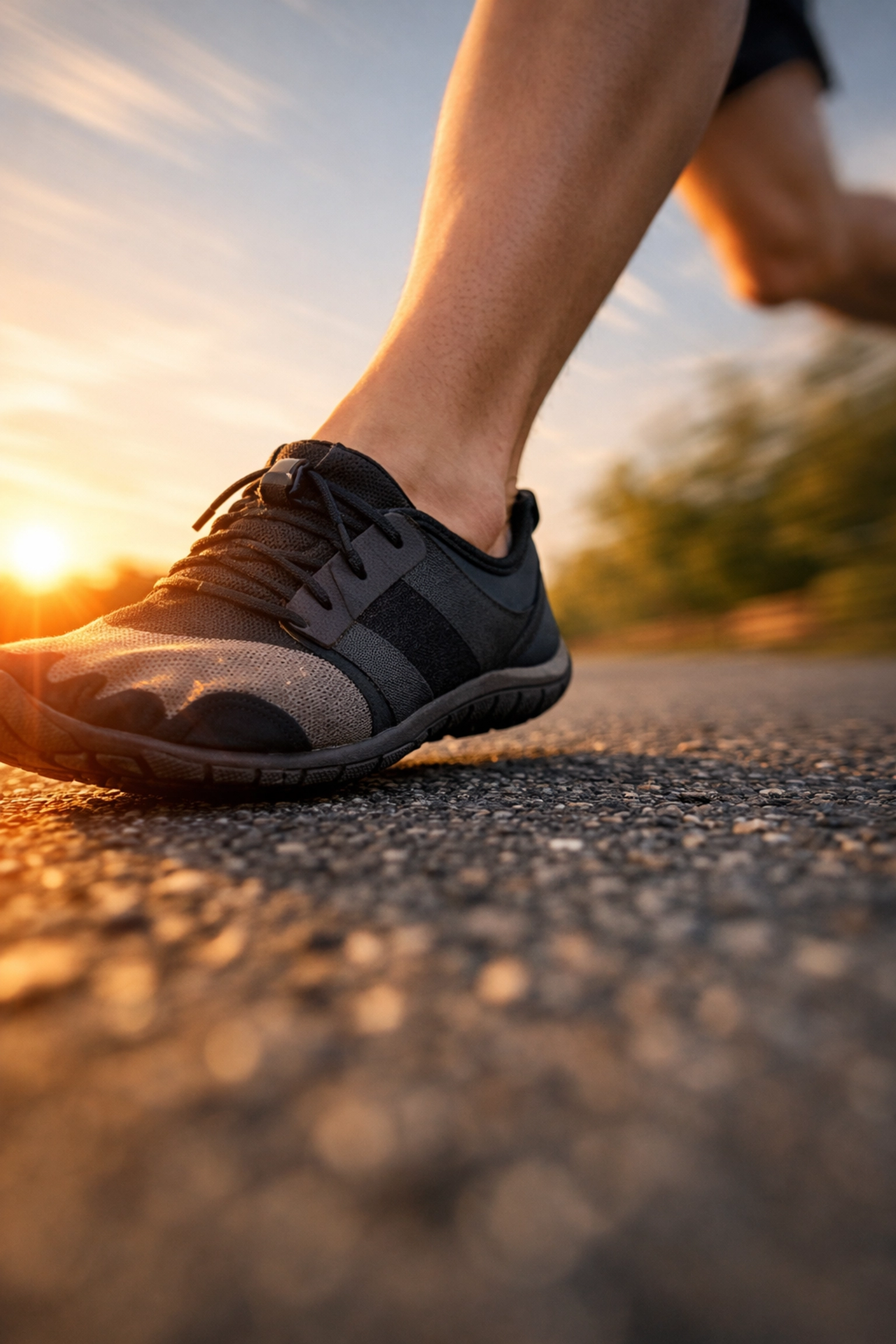
The most common mistake people make is buying a pair of minimalist shoes and immediately going for a 5-mile run. This often results in "Top of Foot Pain" (TOFP), stress fractures of the metatarsals, or Achilles tendonitis.
Your bones, tendons, and muscles have likely spent decades in a cast (your shoes). They are not prepared for the sudden increase in load. Connective tissue takes much longer to adapt than cardiovascular fitness. Your lungs might be ready for a long run, but your metatarsals are not.
The 12-Week Safe Transition Protocol
To avoid injury, you must view the transition as a "rehabilitation" process. Follow this phased approach:
Phase 1: Weeks 1–2 (The "Indoor" Phase)
- Action: Wear your barefoot shoes only inside your house.
- Goal: Allow your toes to begin splaying and your brain to get used to the sensory feedback on flat surfaces.
- Volume: 2–4 hours per day.
Phase 2: Weeks 3–4 (The "Short Walk" Phase)
- Action: Take short 15-minute walks on varied terrain (grass, gravel, pavement).
- Goal: Toughen the skin and begin loading the intrinsic muscles.
- Note: If you feel any sharp pain in the bones, stop immediately.
Phase 3: Weeks 5–8 (The "Functional" Phase)
- Action: Use barefoot shoes for your daily errands and light gym sessions (lifting weights).
- Goal: Build structural integrity under load. Do not run yet.
- Exercise: Incorporate "Foot Prehab" (listed below) daily.
Phase 4: Weeks 9–12 (The "Introduction to Impact" Phase)
- Action: If you are a runner, start with "micro-runs." Run for 500 meters in barefoot shoes, then switch to your old shoes for the rest of the workout.
- Goal: Gradual adaptation of the Achilles tendon. Increase barefoot running volume by no more than 10% per week.
Essential Foot Prehab Exercises
To speed up the strengthening process and protect your joints, perform these three exercises at least four times a week:
- Toe Splay & Big Toe Press: While standing, try to spread your toes as wide as possible. Then, press your big toe into the ground while lifting the other four toes. This builds the neuromuscular control needed for balance.
- Short Foot Exercise (Arch Dominance): Without curling your toes, try to pull the ball of your foot toward your heel, effectively "shrinking" your foot and lifting your arch. Hold for 5 seconds.
- Towel Scrunches: Place a towel on a smooth floor. Use only your toes to scrunch the towel toward you. This targets the flexor muscles that are often dormant in cushioned shoes.
Addressing Common Myths
"I have flat feet; I need arch support."
Most "flat feet" are actually "collapsed arches" due to muscle weakness. By providing an external arch support, the muscles never have to work, and the foot remains weak. Transitioning to barefoot shoes (slowly!) is often the best way to rebuild a functional arch.
"Barefoot shoes are bad for concrete."
Concrete is unforgiving, but the human body is designed to handle hard surfaces. The issue isn't the concrete; it's the gait. If you heel strike on concrete in barefoot shoes, you will get hurt. If you develop a proper forefoot strike, your body’s natural suspension system handles the hard surface easily.
Conclusion: A Lifelong Foundation
Transitioning to barefoot shoes is not a quick fitness hack; it is a fundamental shift in how you relate to the ground. By reclaiming the natural strength and flexibility of your feet, you aren't just preventing bunions or plantar fasciitis: you are optimizing your entire movement profile for the decades to come.
Take it slow, listen to your body, and enjoy the feeling of finally being "reconnected" to the earth.
About the Author
Malibongwe Gcwabaza is the CEO of blog and youtube, a leading digital hub dedicated to Health, Wellness, and High-Performance living. With a background in biomechanics and a passion for longevity science, Malibongwe focuses on bridging the gap between ancestral health practices and modern technology. He has spent over five years researching minimalist footwear and human movement patterns to help professionals optimize their physical foundations.
About the Author