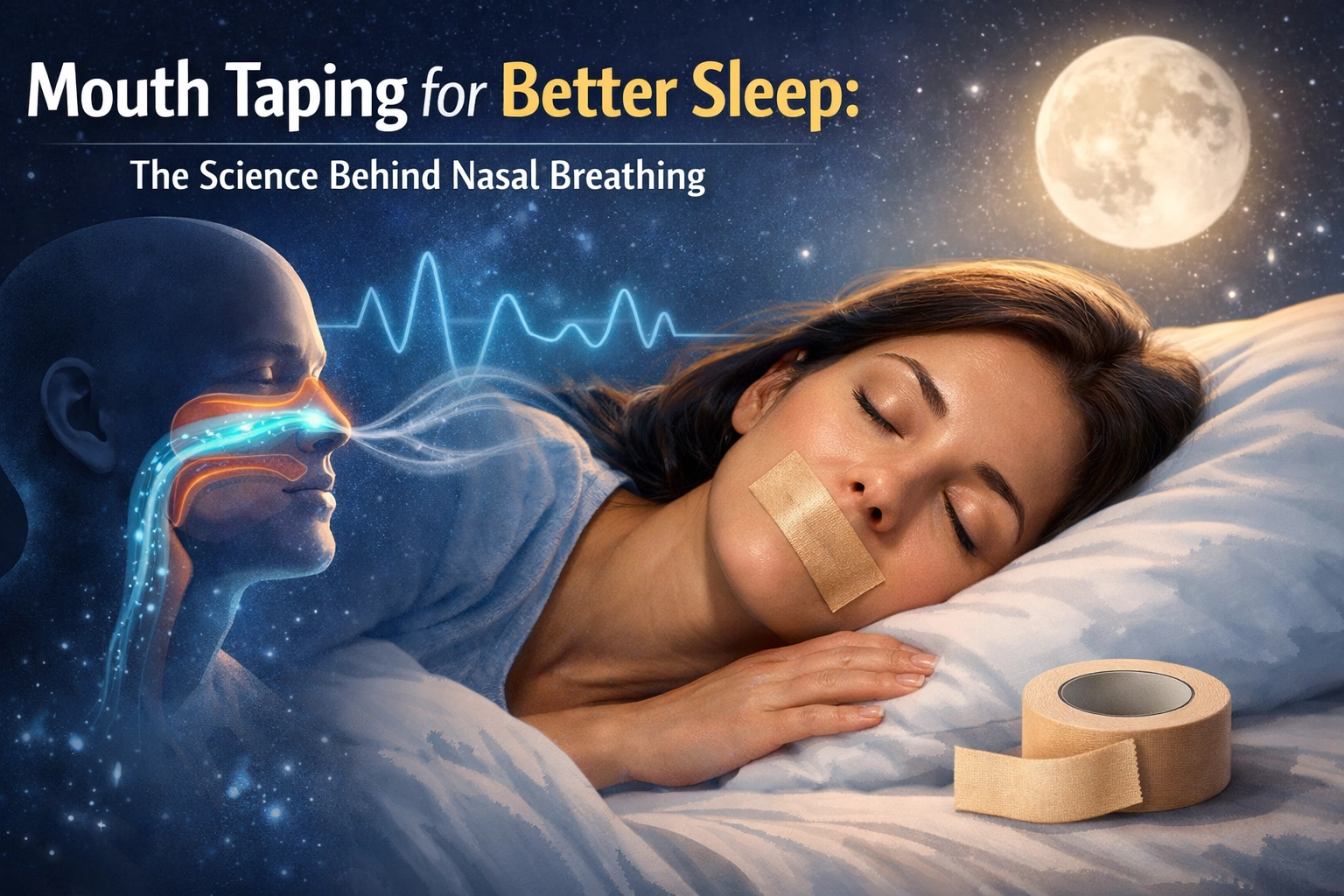
Mouth taping has exploded across social media as a "miracle" hack for deep sleep, but the reality is grounded in ancient physiology rather than just TikTok trends. While the idea of taping your mouth shut before bed sounds like a plot point from a thriller, the goal is simple: forcing the body into obligatory nasal breathing.
To understand why this matters, we have to look past the tape and into the biomechanics of how humans are designed to process oxygen. We are one of the few species that can breathe through our mouths, but physiologically, the mouth is a backup system meant for emergencies or high-intensity exertion. When we use that backup system for eight hours every night, our health pays a hidden price.
The Anatomy of a Breath: Why the Nose Wins
When you breathe through your nose, you aren't just moving air; you’re processing it. The nasal passages are equipped with sophisticated structures called turbinates. These are bony, shelf-like structures lined with vascular tissue that act as your body’s built-in HVAC system.
1. Filtration and Humidification
The nose filters out particles as small as 0.5 microns. By the time air reaches your lungs via the nasal route, it is 100% humidified and warmed to body temperature. Mouth breathing, by contrast, delivers cold, dry, unfiltered air directly to the lungs, which can irritate the bronchial tubes and lead to inflammation.
2. Nitric Oxide (NO) Production
This is the "secret sauce" of nasal breathing. Your paranasal sinuses continuously produce Nitric Oxide, a gas that is inhaled along with oxygen when you breathe through your nose. NO is a potent vasodilator, meaning it relaxes and widens blood vessels. This improves blood flow and enhances the lungs' ability to absorb oxygen (arterial oxygenation) by up to 10–18%.

3. Diaphragmatic Engagement
Nasal breathing is more difficult than mouth breathing: it provides about 50% more resistance to the air stream. While resistance sounds bad, it’s actually essential. This resistance forces you to use your diaphragm rather than your upper chest muscles. Diaphragmatic breathing activates the parasympathetic nervous system (the "rest and digest" state), whereas shallow mouth breathing keeps the body in a state of low-grade sympathetic (fight or flight) stress.
The Cost of Mouth Breathing
Chronic mouth breathing during sleep: often signaled by snoring, waking up with a dry mouth, or feeling groggy despite "enough" hours of sleep: has systemic consequences.
| Feature | Nasal Breathing | Mouth Breathing |
|---|---|---|
| Oxygen Absorption | High (boosted by Nitric Oxide) | Lower |
| Air Quality | Filtered, warmed, humidified | Raw, cold, dry |
| Nervous System | Parasympathetic (Calm) | Sympathetic (Stress) |
| Dental Impact | Protects oral microbiome | Causes acidity, cavities, bad breath |
| Facial Structure | Supports jaw/airway health | Can lead to "long face" syndrome |
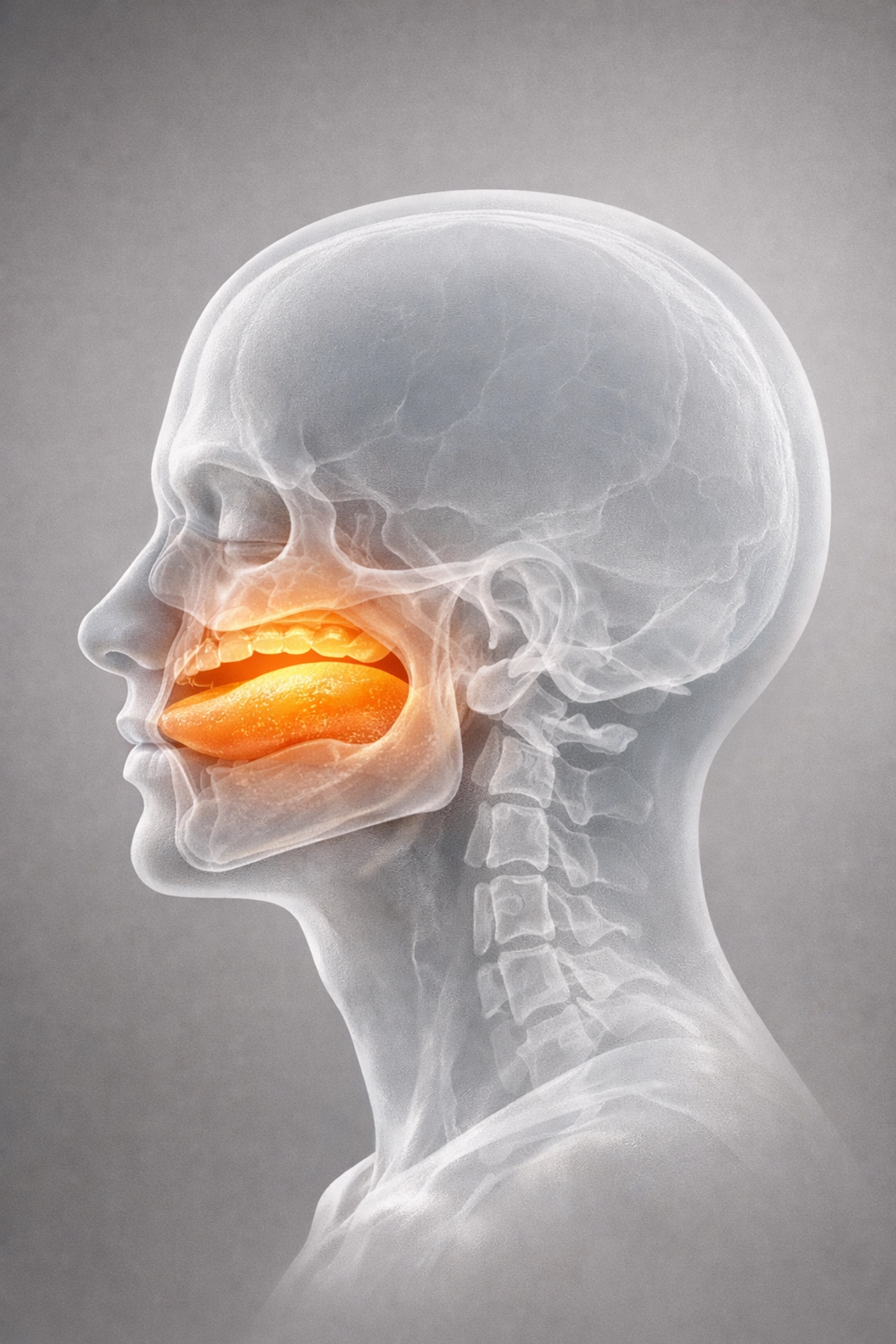
When the mouth stays open, the tongue drops away from the roof of the mouth and falls toward the back of the throat. This significantly narrows the airway, increasing the likelihood of snoring and Obstructive Sleep Apnea (OSA). Furthermore, mouth breathing evaporates saliva, which is necessary to neutralize acid in the mouth. This is why mouth breathers have a higher incidence of cavities and gum disease.
What the Science Says: Data-Driven Insights
While the wellness community is ahead of the clinical research on mouth taping, we do have significant data points that validate the practice for specific populations.
A pivotal study published in Healthcare (2022) examined the effects of mouth taping on patients with mild Obstructive Sleep Apnea. The researchers found that "porous oral patches" significantly reduced snoring and decreased the Apnea-Hypopnea Index (AHI) by an average of 47%. For many participants, it effectively shifted their status from "mild sleep apnea" to "normal breathing."
Another study focused on "positional" sleep apnea: people who stop breathing primarily when lying on their backs. In these cases, mouth taping acted as a mechanical stabilizer, keeping the mandible (lower jaw) from dropping and keeping the airway patent.

Is Mouth Taping Safe? (The Technical Reality)
Mouth taping is not for everyone. If you have a physical obstruction in your nose, taping your mouth is like trying to breathe through a straw that’s been pinched shut.
Who Should NOT Tape:
- Severe Nasal Obstruction: If you have a severely deviated septum, nasal polyps, or chronic sinusitis that prevents nasal airflow, mouth taping is dangerous.
- High BMI or Severe OSA: People with severe sleep apnea require CPAP (Continuous Positive Airway Pressure) or surgery. Tape is not a substitute for medical-grade intervention in these cases.
- Alcohol or Sedative Use: Anything that suppresses your "arousal response" (the brain's ability to wake you up if you aren't getting enough oxygen) makes mouth taping risky.
- Skin Sensitivities: Using the wrong tape can cause dermatitis or "skin stripping" around the sensitive tissue of the lips.
How to Implement Mouth Taping Correctly
If you’ve cleared it with a doctor or verified that you can breathe easily through your nose for 2-3 minutes while awake, follow these technical steps for a safe experience.
1. Choose the Right Material
Never use duct tape, masking tape, or heavy-duty adhesives. Use hypoallergenic surgical micropore tape or specialized kinesiology tape designed for the face. These materials are porous, allowing a tiny amount of airflow while still providing enough tension to keep the lips together.
2. The "Vertical" Method vs. The "Full" Method
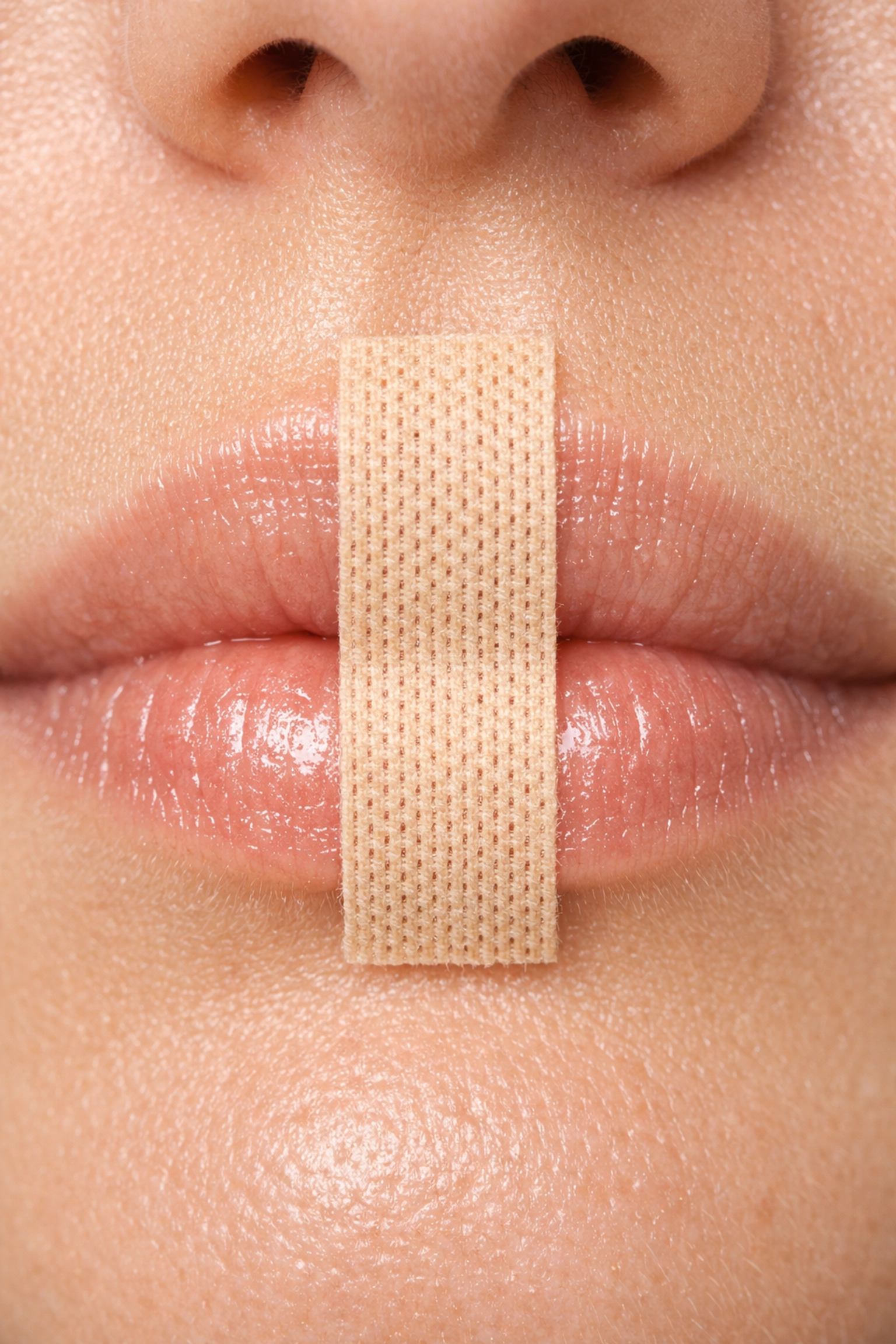
For beginners, I recommend the vertical strip. Place a small strip of tape vertically across the center of your lips. This keeps the mouth closed but allows for a "safety valve" on either side of the tape if you absolutely need to take a breath through your mouth. Once comfortable, you can move to a horizontal strip that covers the lips more fully.
3. Preparation
Apply a small amount of petroleum jelly or lip balm to your lips before applying the tape. This prevents the adhesive from sticking too aggressively to the vermilion border (the red part of your lips), making removal painless in the morning.
4. The Daytime Trial
Don't jump straight into an 8-hour sleep. Wear the tape for 30 minutes while watching TV or reading during the day. This desensitizes the brain to the sensation of having the mouth closed and proves to your subconscious that your nose is capable of handling the respiratory load.
The Connection to Craniofacial Development
For younger individuals, the stakes are even higher. The "Mewing" community and orthotropics practitioners point out that the tongue acts as a natural scaffold for the upper jaw. When the mouth is closed and the tongue is pressed against the palate, it promotes a wide, healthy dental arch and forward jaw growth. Chronic mouth breathing during developmental years leads to a recessed chin and narrowed airways, often requiring orthodontic intervention later in life.
By mouth taping, adults aren't necessarily changing their bone structure, but they are preventing the further softening of the airway tissues that occurs with chronic snoring.
Measuring Success: What to Look For
How do you know if it's working? You don't need a sleep lab to see results. Track these three metrics:
- Morning Saliva: Do you wake up with a "cotton mouth" or a sore throat? If you wake up with a moist mouth, the tape is doing its job.
- Sleep Tracking Data: If you use a wearable (Oura, Whoop, Apple Watch), look at your Respiratory Rate and HRV (Heart Rate Variability). A lower respiratory rate and higher HRV typically indicate better parasympathetic tone during sleep.
- Snoring Audio: Use an app like SnoreLab. If your "Snore Score" drops, your airway is more stable.
Final Thoughts: A Tool, Not a Cure-All
Mouth taping is a powerful, low-cost tool for optimizing human performance and respiratory health, but it exists within a larger ecosystem of sleep hygiene. It won't fix a bad mattress, a caffeine habit, or a room that's too hot. However, as a method to re-train the body for nasal breathing, it is backed by basic physiological principles and emerging clinical data.
Stop viewing breathing as a passive act. It is a biological process that can be optimized. If you want to unlock better recovery, improved dental health, and deeper stages of REM sleep, it might be time to shut your mouth.
About the Author: Malibongwe Gcwabaza
Malibongwe Gcwabaza is the CEO of blog and youtube and a dedicated advocate for data-driven wellness and biohacking. With a background in executive leadership and a passion for human optimization, Malibongwe focuses on distilling complex physiological research into actionable habits for high performers. He believes that the smallest tweaks in daily (and nightly) routines often yield the most significant returns in longevity and cognitive clarity.
About the Author