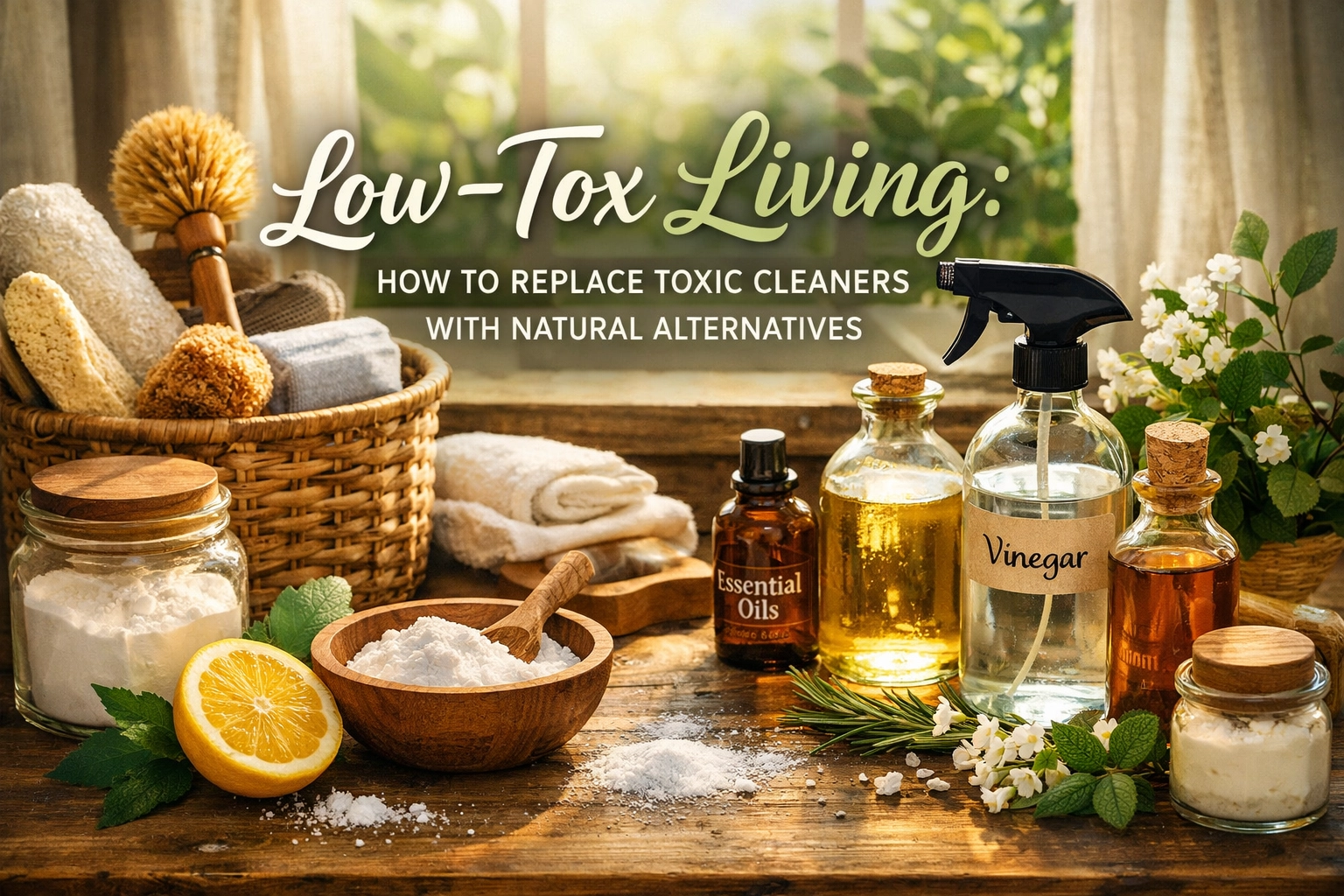
Most of us spend about 90% of our time indoors. While we worry about smog or industrial pollution, the air inside our homes is often two to five times more polluted than the air outside. A major contributor to this invisible problem? The bright-colored, floral-scented bottles sitting under your kitchen sink.
"Low-tox living" isn't just a wellness trend; it’s a systematic approach to reducing the chemical burden on your body and environment. Traditional cleaners are often "chemical cocktails" containing Volatile Organic Compounds (VOCs), endocrine disruptors, and respiratory irritants. Transitioning to natural alternatives isn't just about being "green": it's about understanding the chemistry of cleaning to create a safer, more effective home environment.
The Technical Case Against Conventional Cleaners
To understand why we need to switch, we have to look at the ingredients list. Conventional cleaning products are designed for industrial-strength speed, often at the cost of long-term health.
Common "Red Flag" Ingredients
| Chemical Category | Found In | Health Concerns |
|---|---|---|
| Phthalates | Fragranced products, dish soap | Endocrine disruption, reduced sperm count |
| Quaternary Ammonium Compounds (Quats) | Disinfectant sprays, fabric softeners | Respiratory issues, contact dermatitis, antimicrobial resistance |
| Triclosan | "Antibacterial" soaps and liquids | Thyroid disruption, suspected carcinogen |
| 2-Butoxyethanol | Multipurpose cleaners, window sprays | Sore throat, liver and kidney damage (at high levels) |
| Ammonia | Glass cleaners, bathroom polish | Potent respiratory irritant, dangerous if mixed with bleach |
Cleaning vs. Disinfecting: The Science of "Clean"
In a post-pandemic world, we’ve been conditioned to believe that a surface is only clean if it has been "disinfected." However, from a technical standpoint, cleaning and disinfecting are two very different processes.
- Cleaning: The physical removal of dirt, debris, and many germs from surfaces. This is usually achieved using surfactants (like soap) and mechanical action (scrubbing). In most residential settings, thorough cleaning is sufficient for health.
- Disinfecting: The use of chemicals to kill germs on surfaces. Disinfectants are regulated as pesticides. Over-disinfecting can lead to the creation of "superbugs" and unnecessarily exposes your household to harsh toxins.
For a low-tox home, the goal is to clean effectively 95% of the time and reserve non-toxic disinfection (like high-strength hydrogen peroxide) for high-risk areas like raw meat prep stations or during flu season.
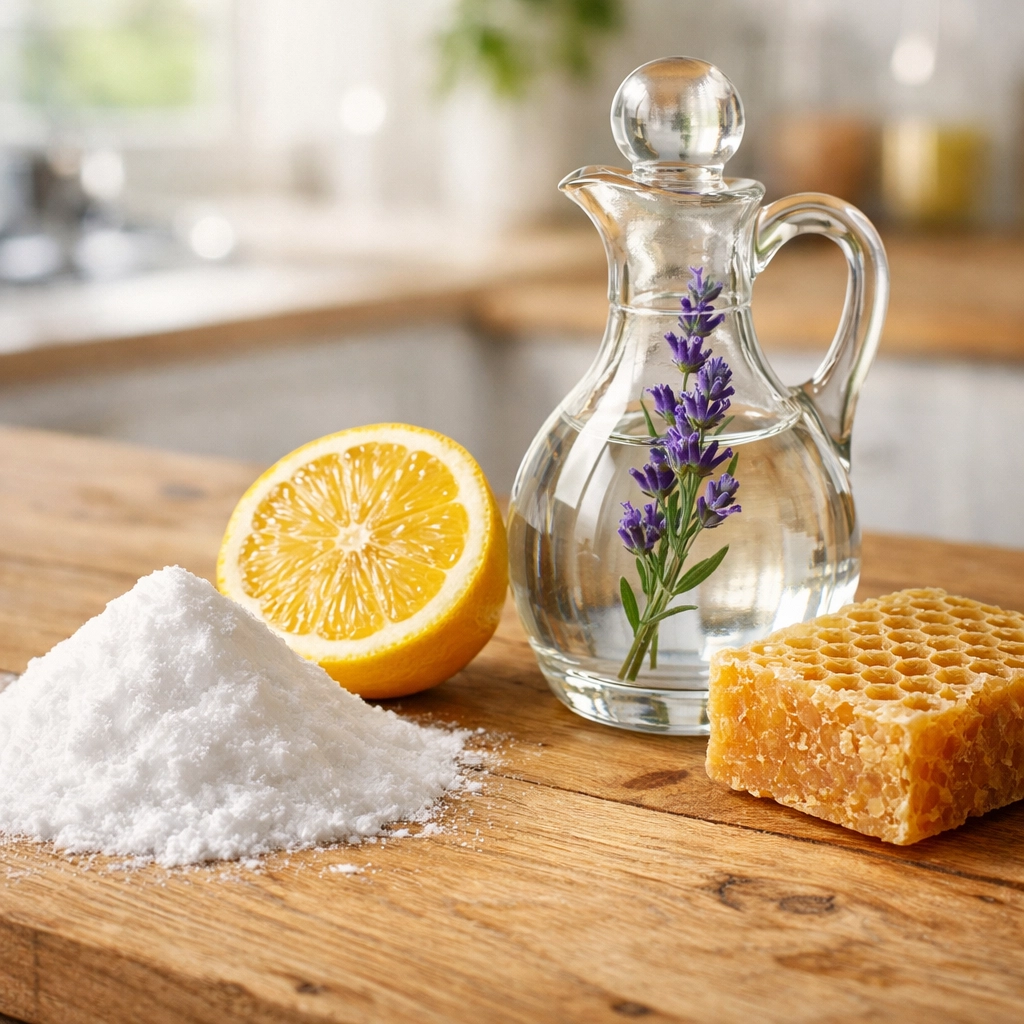
The "Essential Five" Natural Ingredients
You don't need a different bottle for every room. In fact, most household cleaning can be solved with five basic substances.
1. Acetic Acid (White Vinegar)
Vinegar is a weak acid (usually 5% concentration). Its acidity makes it incredibly effective at dissolving mineral deposits (limescale), cutting through soap scum, and inhibiting the growth of certain bacteria like E. coli and Salmonella.
- Pro Tip: Never use vinegar on natural stone like marble or granite; the acid will etch the surface.
2. Sodium Bicarbonate (Baking Soda)
Baking soda is a mild alkali. It works through two mechanisms: it’s a gentle abrasive that won't scratch most surfaces, and it’s an effective deodorizer that neutralizes acidic odor molecules.
3. Sodium Carbonate (Washing Soda)
A "cousin" to baking soda but much more alkaline (pH 11). Washing soda is a heavy-duty degreaser. It’s essential for laundry and tough kitchen grime, but you should wear gloves when using it as it can strip the oils from your skin.
4. Vegetable-Based Surfactants (Castile Soap)
True soap is made by saponifying fats (like olive or coconut oil) with an alkali. Castile soap acts as a surfactant: it lowers the surface tension of water, allowing it to trap oil and dirt so they can be rinsed away.
5. Hydrogen Peroxide (3% Solution)
This is your low-tox alternative to bleach. It is an oxidizing agent that kills bacteria, viruses, and fungi by destroying their cell walls. Unlike bleach, it breaks down into simple water and oxygen.
Technical Formulations: DIY Recipes that Actually Work
When mixing your own cleaners, ratios matter. Here is how to formulate solutions that rival commercial brands.
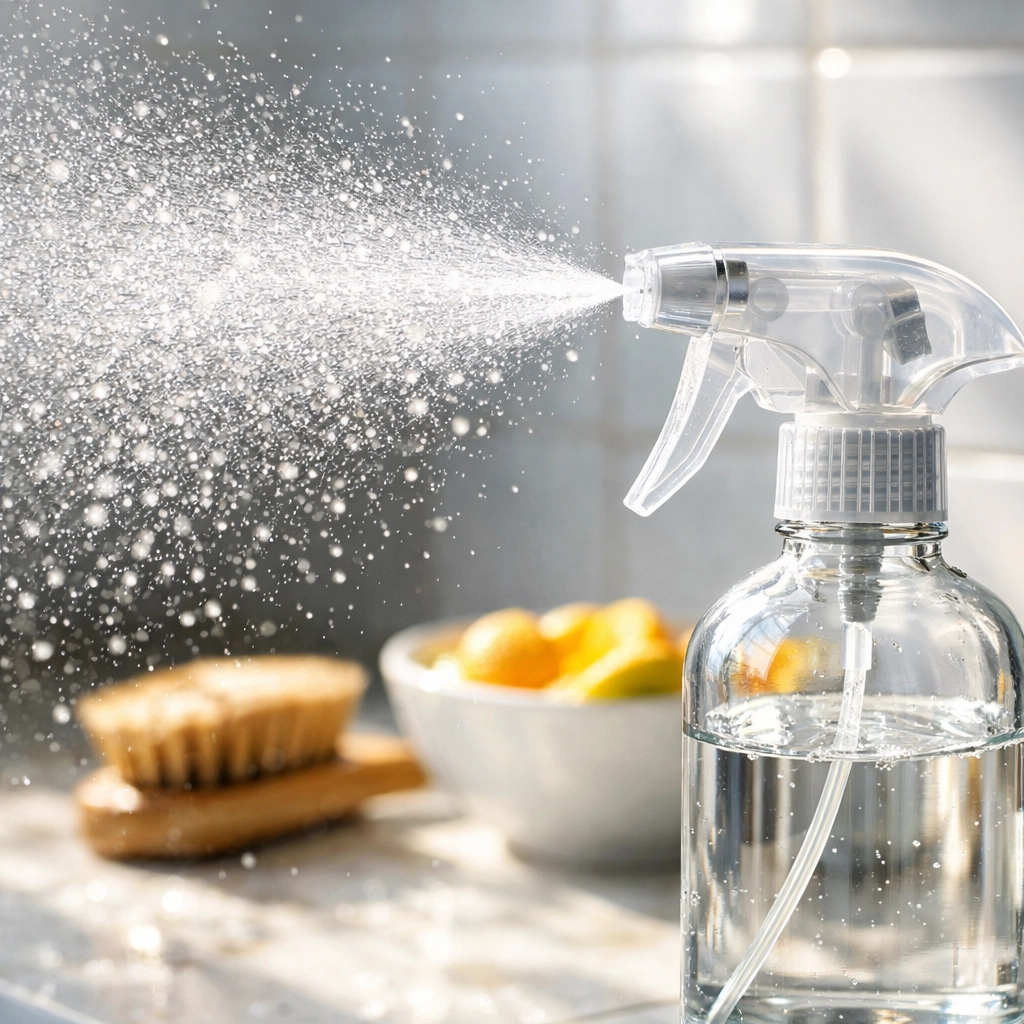
The All-Purpose "Workhorse" Spray
Best for: Countertops (non-stone), high chairs, and dusting.
- Formula: 1 part white vinegar to 1 part distilled water.
- Add-on: 10 drops of Lemon or Tea Tree essential oil for antimicrobial properties and a fresh scent.
- Why it works: The acidity cuts through daily grime while the water provides the necessary volume for wiping.
The Heavy-Duty Degreaser (Kitchen & Stove)
- Formula: 2 cups hot water, 2 tablespoons washing soda, 1/2 teaspoon Castile soap.
- Instructions: Dissolve the washing soda in hot water first, then add the soap.
- Why it works: The high pH of the washing soda breaks down polymerized oils (grease) while the soap carries it away.
The "Fizzy" Drain Refresher
- Formula: 1/2 cup baking soda followed by 1/2 cup vinegar.
- Why it works: This creates a chemical reaction that produces carbon dioxide gas. The physical agitation of the bubbles helps loosen minor clogs and debris in the pipes.
Low-Tox Glass & Mirror Shine
- Formula: 1 cup water, 1/4 cup rubbing alcohol (isopropyl), 1/4 cup vinegar.
- Why it works: The alcohol ensures the solution evaporates quickly, preventing the streaks that occur when water sits too long on the glass.
Critical Safety: What Never to Mix
In the world of DIY cleaning, "natural" does not always mean "harmless." Certain combinations can create toxic gases.
- Vinegar + Hydrogen Peroxide: While both are safe individually, mixing them in the same bottle creates peracetic acid. This is highly corrosive and can irritate the skin, eyes, and respiratory system. Use them sequentially (spray one, wipe, then spray the other), but never mix them.
- Vinegar + Castile Soap: This won't hurt you, but it will ruin your cleaner. The acid in the vinegar "unsaponifies" the soap, turning it back into oil. You’ll end up with a curdled, greasy mess.
- Vinegar + Bleach: (If you still have bleach in the house). This creates chlorine gas, which can be fatal even in small amounts.
The Economic Impact of Switching
Switching to low-tox cleaning isn't just better for your lungs; it's better for your wallet. A standard 500ml "branded" kitchen cleaner costs between $4 and $7.
Cost Analysis Per 500ml Bottle:
- DIY Vinegar Spray: ~$0.15
- DIY Degreaser: ~$0.30
- DIY Glass Cleaner: ~$0.45
By switching, the average household can save upwards of $200 per year while significantly reducing plastic waste from single-use bottles.
Step-by-Step Transition Strategy
Don't feel pressured to throw everything away today. That's wasteful and overwhelming. Instead, use the "Replace as You Empty" method:
- Month 1: Replace your glass cleaner and all-purpose spray. These are the easiest wins.
- Month 2: Swap your laundry detergent for a plant-based, fragrance-free version or a DIY washing soda blend. Ditch the dryer sheets (which are coated in Quats) for wool dryer balls.
- Month 3: Tackle the heavy hitters: oven cleaners and tub scrubs. Baking soda pastes are incredibly effective for these tasks.
Final Thoughts
Low-tox living is about reclaiming control over your environment. By understanding the simple chemistry of acids, bases, and surfactants, you can maintain a sparkling home without the side effects of synthetic fragrances and harsh pesticides. Start small, use what you have, and breathe easier knowing exactly what’s in your cleaning cupboard.
About the Author: Malibongwe Gcwabaza
Malibongwe Gcwabaza is the CEO of blog and youtube, a platform dedicated to simplifying complex lifestyle topics for the modern enthusiast. With a background in organizational leadership and a passion for sustainable living, Malibongwe focuses on data-driven approaches to wellness and home optimization. His mission is to bridge the gap between high-level technical insights and everyday practical application, helping thousands of readers build healthier, more efficient lives through transparent, science-backed content.
About the Author