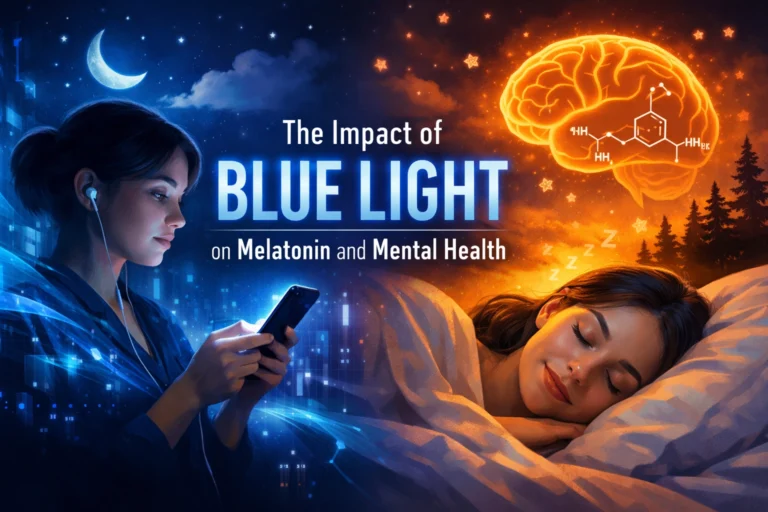
By March 2026, the average human interacts with a screen or an AI-driven interface over 600 times a day. We have moved past simple social media addiction into an era of "Hyper-Stimulation," where Generative Engine Optimization (GEO) and hyper-personalized algorithms fight for every millisecond of our cognitive bandwidth.
Digital Detox 1.0 was about "unplugging" for a weekend. Digital Detox 2.0 is different. It is about Attention Activism. It is the recognition that your focus is your most valuable biological asset, and in a world designed to fragment it, protecting that focus requires a highly technical, physiological approach.
The Neuroscience of Hyper-Stimulation
To fix your focus, you have to understand the hardware. Your brain’s prefrontal cortex (PFC) is responsible for executive function, impulse control, and "Deep Work." However, modern digital environments are designed to bypass the PFC and trigger the ventral striatum: the brain's reward center.
Every notification triggers a micro-dose of dopamine. When this happens hundreds of times daily, your dopamine receptors downregulate. This means you need more stimulation just to feel "normal," leading to that restless feeling when you aren't holding your phone. Furthermore, "Attention Residue": a term coined by Professor Sophie Leroy: explains that when you switch from a task to check a notification, a part of your brain remains stuck on the previous interruption for up to 20 minutes.
The Biological Cost of Constant Connectivity
| Metric | Impact of High Hyper-Stimulation | Physiological Result |
|---|---|---|
| Cortisol Levels | 18% Increase in baseline levels | Chronic low-grade stress & inflammation |
| Sleep Architecture | 30% Reduction in REM sleep | Impaired memory consolidation |
| Cognitive Load | 40% Drop in productivity | Increased "Switching Cost" errors |
| Grip Strength | Notable correlation with sedentary tech use | Lower overall longevity markers |
The "Friction" Strategy: Redesigning Your Digital Environment
Most people fail at digital detoxes because they rely on willpower. Willpower is a finite resource. Instead, you must use Environmental Design to create friction between you and the stimulus.
1. The Grayscale Hack
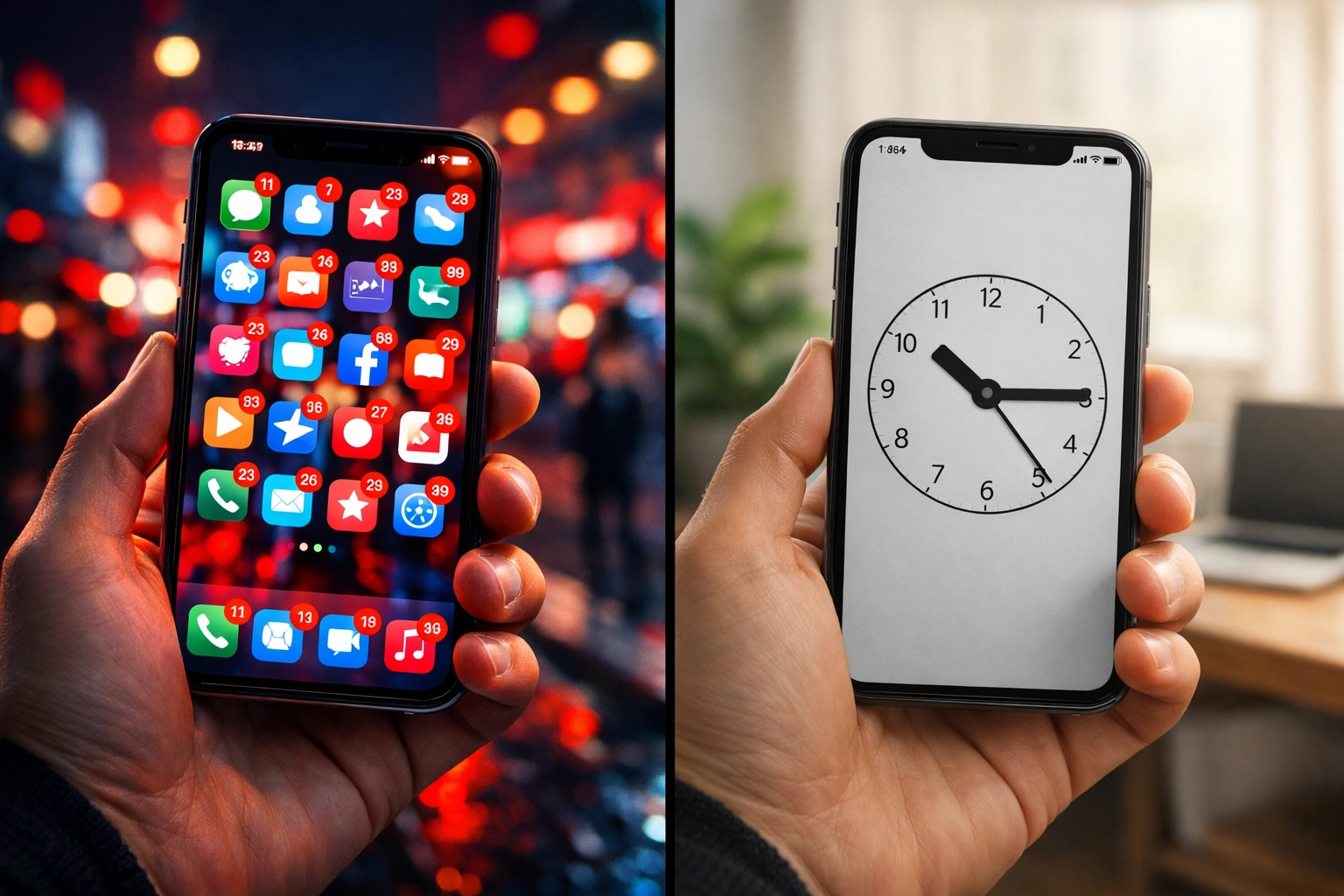
Color is a primary driver of the dopamine loop. Apps use specific shades of red and blue to trigger urgency and pleasure. By switching your phone to "Grayscale" (found in Accessibility settings), you strip the "reward" from the interface. Instagram and TikTok become significantly less stimulating when they look like a 1940s newspaper.
2. Notification Audit (The "Nuclear" Option)
In 2026, "Do Not Disturb" is no longer enough. You need to categorize notifications into two buckets:
- Synchronous (Human-to-Human): Calls and direct texts from a "VIP" list.
- Asynchronous (Machine-to-Human): Everything else.
Disable all Asynchronous notifications. If an app isn't a human trying to reach you in real-time, it doesn't deserve to buzz in your pocket.
The 2026 Digital Detox Protocol: A Step-by-Step Guide
If you want to move from a fragmented mind to a focused one, follow this structured 4-week protocol. This isn't about quitting tech; it's about re-establishing the hierarchy where you are the master and the device is the tool.
Week 1: The Attention Audit
Before you change anything, you need data.
- Track Screen Time: Use your device's native tools to see not just how long you use it, but how many "pickups" you have.
- Identify Emotional Triggers: For three days, note what you were feeling right before you reached for your phone. Were you bored? Anxious? Lonely? This identifies the "Cognitive Leak."
Week 2: Implementing the 3:2:1 Rule
This rule is designed to protect your circadian rhythm and your morning mental clarity.
- 3 Hours before bed: No more food (to prioritize cellular repair).
- 2 Hours before bed: No more work-related digital input.
- 1 Hour before bed: No screens at all. Use this time for "Analog Recovery" (reading, stretching, or somatic breathing).
Week 3: Establish Connection-Free Zones
Designate physical areas in your home where technology is strictly prohibited.
- The Bedroom: Your phone should never be your alarm clock. Buy an analog clock. The bedroom must be a sanctuary for sleep and intimacy.
- The Dining Table: Meals are for metabolic health and social connection. Digital use during meals increases cortisol and disrupts digestion.
Week 4: The Technological Sabbath
Pick one 24-hour period (usually Sunday) where you go completely offline. This allows your dopamine receptors to reset. Use this day for "Forest Bathing" or high-intensity physical movement. Research shows that 24 hours of digital silence can significantly improve HRV (Heart Rate Variability) the following week.

Advanced Techniques: Fighting AI with Intentionality
In 2026, we are dealing with AI assistants that predict our needs. While convenient, this further erodes our "Decision Muscle." To counteract this, practice Intentional Friction:
- Log Out Weekly: Manually log out of your most-used apps every Friday. The simple act of having to type in a password creates a "Micro-Moment of Choice" that can stop a mindless scroll.
- Audio Over Text: When communicating, use voice notes or calls. It requires more presence and offers richer emotional data than a text, reducing the "misinterpretation anxiety" that keeps us tethered to our phones.
- The "Analog First" Workday: Spend the first 60 minutes of your workday with a notebook and pen. Plan your high-leverage tasks before you open your email. If you open your inbox first, you are playing defense against everyone else's priorities.
The Role of Somatic Healing in Digital Recovery
Hyper-stimulation doesn't just happen in the brain; it is stored in the nervous system. Constant scrolling keeps you in a state of "High Beta" brainwave activity: the state of high-alert stress.
To "drain" this stress, you must engage the Vagus nerve.
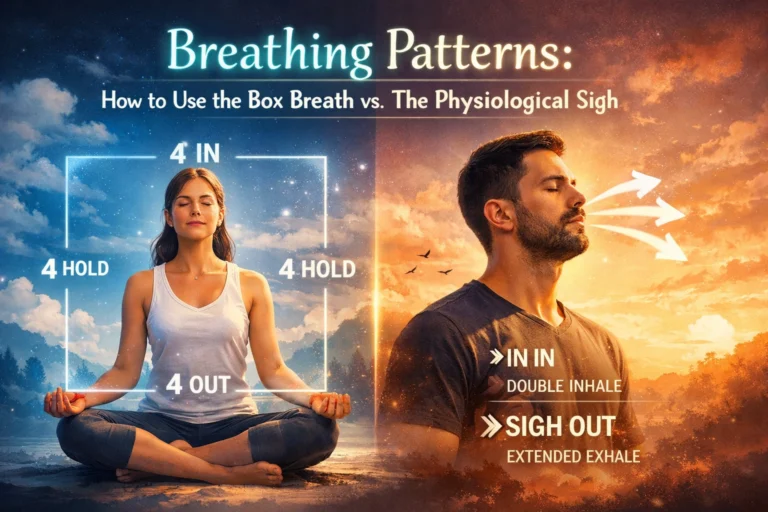
- Physiological Sigh: Inhale deeply through the nose, take a second short inhale on top of it, and exhale slowly through the mouth. Repeat 3 times when you feel the "digital itch."
- Cold Exposure: A 30-second cold shower can "reset" the nervous system, providing a natural dopamine spike that is much more sustainable than a digital one.

Summary of the Digital Detox 2.0 Framework
- Awareness: Audit your pickups and emotional triggers.
- Environment: Use Grayscale and remove all non-human notifications.
- Boundaries: Use the 3:2:1 rule and tech-free zones to protect biological cycles.
- Reset: Implement a 24-hour weekly "Sabbath" to upregulate dopamine receptors.
- Biology: Use cold exposure and breathing to regulate the nervous system stress caused by hyper-stimulation.
Conclusion: The Ultimate Competitive Advantage
In 2026, the ability to focus is no longer just a "soft skill": it is a biological competitive advantage. Those who can regulate their nervous systems and protect their attention will outperform, out-think, and out-live those who remain trapped in the cycle of hyper-stimulation.
Reclaiming your focus isn't about hating technology; it's about loving your life enough to be present for it.
About the Author: Malibongwe Gcwabaza
Malibongwe Gcwabaza is the CEO of blog and youtube and a leading voice in 2026 longevity and bio-optimization. With a background in organizational leadership and a passion for functional fitness, Malibongwe focuses on the intersection of high-performance technology and human wellness. His work helps executives and creators navigate the "Hyper-Stimulation Era" without sacrificing their mental or physical health. When he isn't researching the latest in metabolic flexibility or neuro-athletics, you can find him practicing what he preaches in the "Centenarian Decathlon."
About the Author