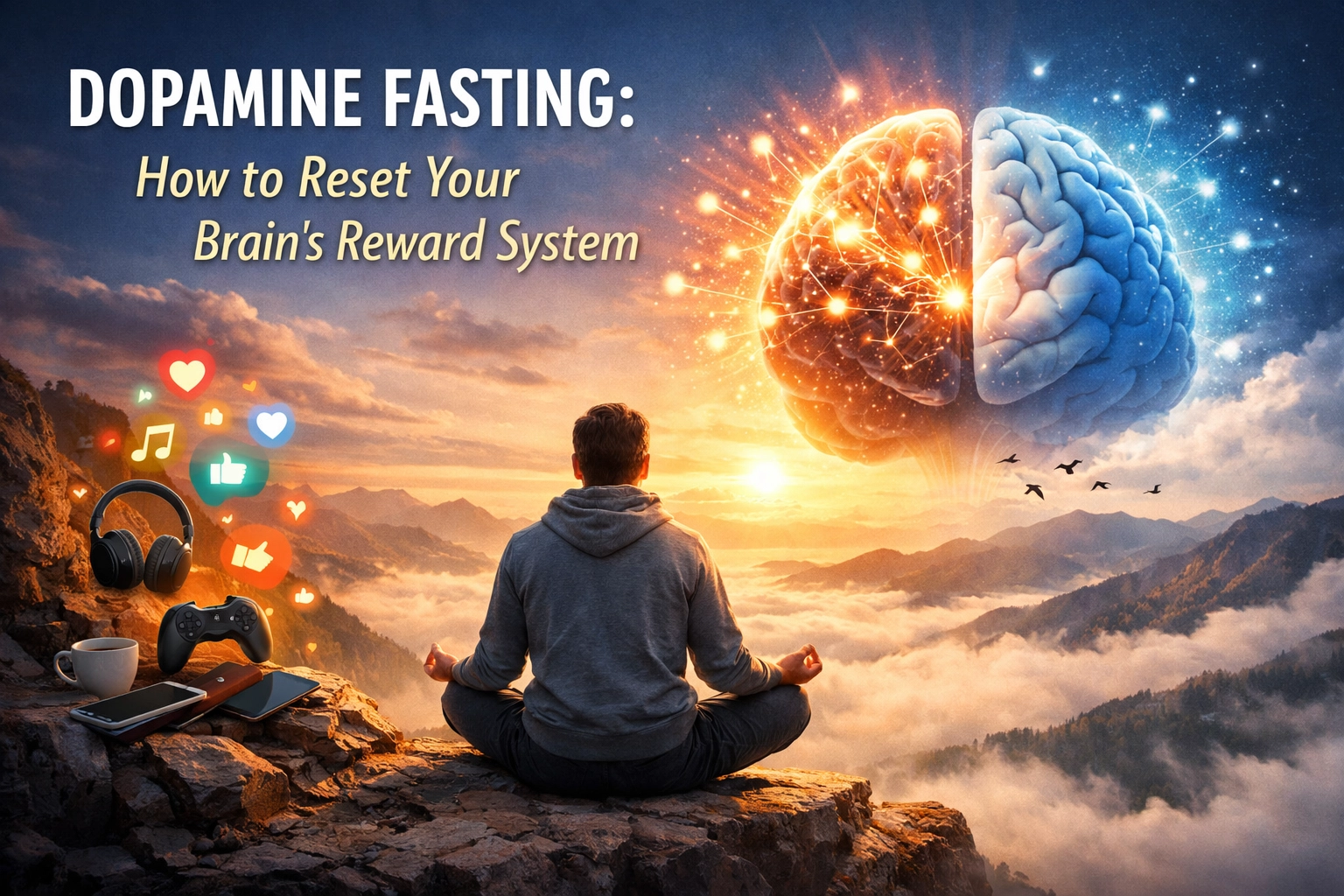
By March 2026, the average person processes more data in a single afternoon than a human in the 1990s did in an entire month. Our brains are currently navigating an environment they were never evolved to handle: one filled with hyper-personalized AI feeds, instant-gratification loops, and 24/7 connectivity. This constant barrage leads to what neuroscientists call "receptor downregulation," where the brain's reward system becomes numbed to ordinary pleasures.
Dopamine fasting isn't about depleting a chemical from your body: that's biologically impossible. Instead, it is a structured behavioral intervention designed to recalibrate your brain’s sensitivity to dopamine, allowing you to reclaim your focus, motivation, and mental clarity.
The Neurobiology of Modern Overstimulation
To understand why a "fast" is necessary, we have to look at how dopamine actually functions. Dopamine is the neurotransmitter of anticipation and pursuit, not necessarily pleasure itself. It drives the "itch" to check your notifications or the "crave" for a sugary snack.
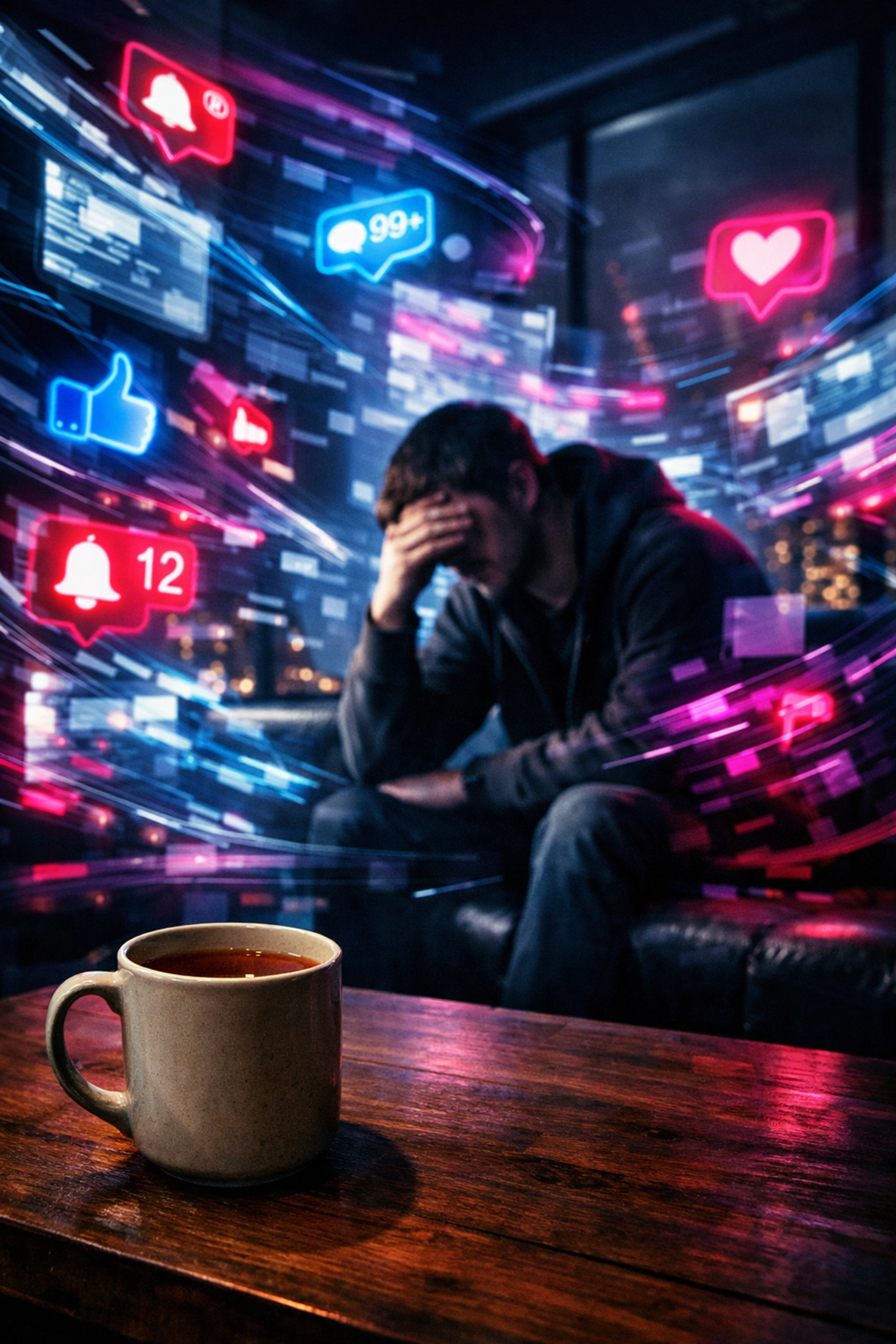
When we engage in high-stimulus activities: scrolling through generative AI art feeds, playing immersive VR games, or consuming ultra-processed foods: our brains release a massive surge of dopamine. To maintain homeostasis (internal balance), the brain responds by reducing the number of available dopamine receptors. This is known as downregulation.
The result? You need more stimulation just to feel "normal," and everyday tasks like reading a book or working on a deep project feel agonizingly boring. You aren't lazy; your brain is simply tuned to a frequency that the real world cannot match.
The Homeostatic Tipping Point
In clinical terms, constant overstimulation shifts your "hedonic set point." Activities that used to be enjoyable (a walk in the park, a conversation with a friend) no longer provide enough signal to register above the noise of your desensitized receptors. This leads to a state of chronic "low-level" anxiety and a constant need for distraction.
Why "Dopamine Detox" is a Misnomer (But the Practice Works)
The term "dopamine detox" became a viral sensation a few years ago, but it’s technically inaccurate. You cannot "detox" from a neurotransmitter that is essential for movement, executive function, and survival. However, the practice: more accurately called Stimulus Control: is rooted in Cognitive Behavioral Therapy (CBT) principles.
The goal is to provide a "period of low stimulation" that allows your neurochemistry to move back toward a baseline level of sensitivity. It’s about breaking the addictive loops and the "automaticity" of our digital habits.
The 2026 Dopamine Fasting Protocol: A Tiered Approach
A successful reset isn't about living in a cave. It’s about intentional deprivation to foster long-term appreciation. Depending on your level of burnout, you can choose from three different tiers of fasting.
Tier 1: The Daily Micro-Fast (Maintenance)
This is for the high-performing professional who wants to prevent "brain fog" and maintain deep-work capabilities.
- Duration: 12–14 hours (typically including sleep).
- The Rule: No "screen-based" stimulation for the first 2 hours after waking and the last 2 hours before bed.
- Goal: Protect the circadian rhythm and prevent the "dopamine spike" from dictating the rest of your day.
Tier 2: The 24-Hour Reset (The Deep Dive)
Recommended once a month to break habitual cycles.
- Duration: One full day (e.g., Saturday morning to Sunday morning).
- The Rule: No electronics, no caffeine, no processed sugar, and no "work talk."
- Activity Allowed: Reading physical books, journaling, light exercise (walking), and meditation.
Tier 3: The Weekend "Bio-Reset" (The Full Recalibration)
Recommended once per quarter for those experiencing symptoms of burnout or severe procrastination.
- Duration: 48–72 hours.
- The Rule: A complete removal of all "supernormal stimuli." This includes social media, gaming, movies, and even intense music.
- The Environment: Ideally done in nature or a low-stimulus environment.
| Activity Category | High Stimulation (Avoid During Fast) | Low Stimulation (Allowed/Encouraged) |
|---|---|---|
| Technology | Social Media, VR, Endless Scrolling, News | Physical Journals, Paper Books, Analog Clocks |
| Nutrition | Processed Sugar, High Caffeine, Alcohol | Whole Foods, Hydration, Herbal Teas |
| Movement | High-Intensity "Metric-Obsessed" HIIT | Nature Walks, Stretching, Zone 2 Training |
| Social | Group Chats, Dating Apps, Work Emails | Face-to-Face Conversations, Quiet Reflection |

Signs Your Reward System Needs a Reset
How do you know if you are "over-indexed" on dopamine? Look for these three primary indicators:
- The Multitasking Requirement: You find it impossible to do one thing at a time. You can’t eat lunch without watching a video; you can’t walk the dog without a podcast; you can’t work without four browser tabs open.
- Decreased "Flow State" Frequency: You struggle to get into a "flow state" where time disappears during a difficult task. Instead, you feel a constant "itch" to check your phone every 5–10 minutes.
- Emotional Blunting: You feel less joy in things you used to love. Your hobbies feel like chores, and your primary motivation is simply to "pass the time."
Step-by-Step Implementation: How to Survive the "Boredom" Phase
The hardest part of a dopamine fast is the first 4–6 hours. This is when your brain begins to "crave" the spike. Here is how to navigate it:
- Acknowledge the Withdrawal: Understand that feeling restless or irritable is a sign the fast is working. It’s your brain adjusting to the lack of "easy" dopamine.
- Use "Urge Surfing": When you feel the need to check your phone, don't fight it. Instead, observe the feeling. Where is it in your body? Does it feel like a tightness in your chest or a twitch in your hand? Usually, the urge passes within 2 minutes if you don't feed it.
- Lower the Bar for Productivity: On a fast day, your only job is to not engage in high-stimulus behavior. If you spend 4 hours staring at a tree, that is a successful day.
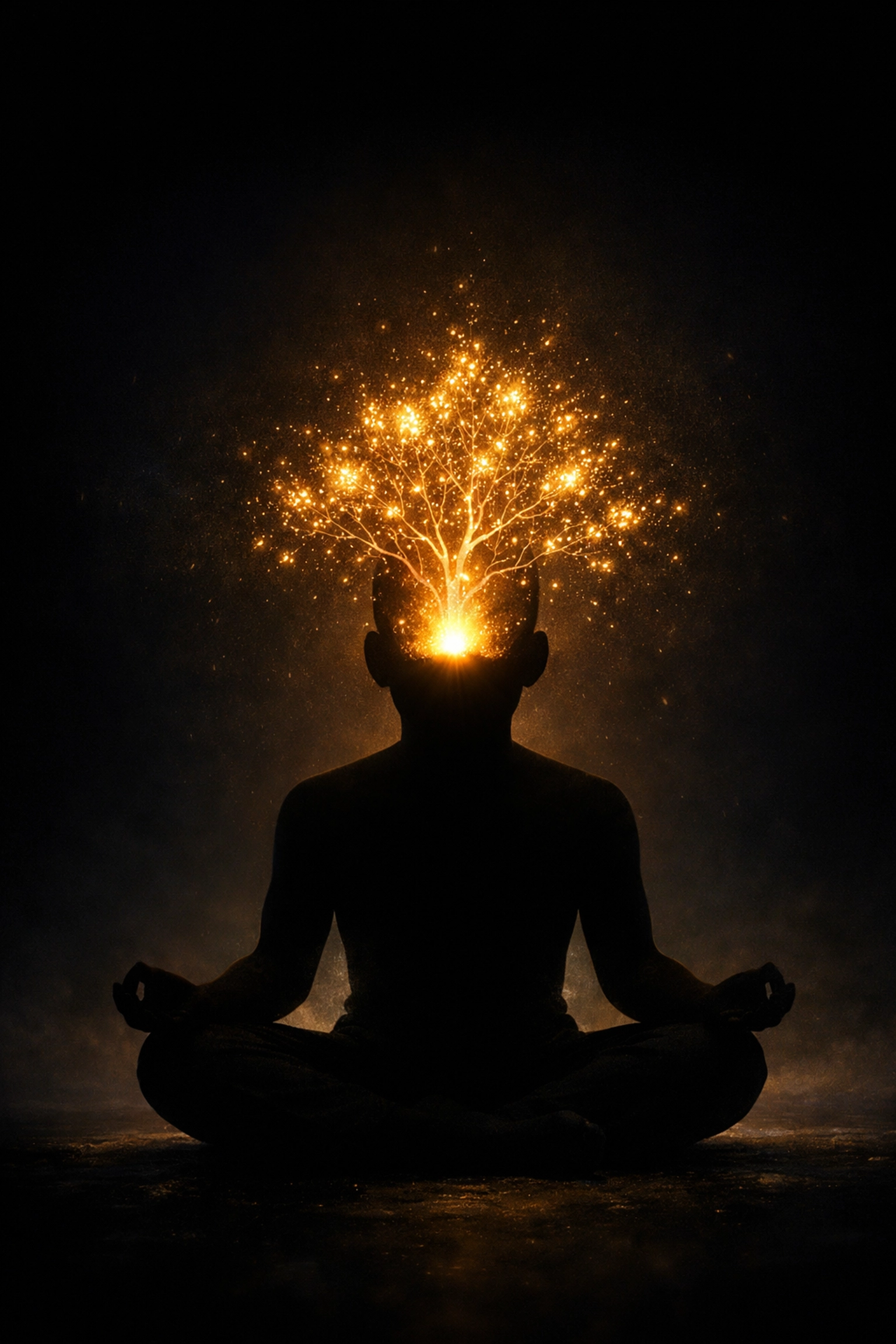
- The "Boredom" Advantage: Boredom is the precursor to creativity. Once the brain realizes it isn't getting a digital "hit," it will start generating its own internal stimulation: this is where your best ideas come from.
The Long-Term Benefits: What Happens Next?
Research into neuroplasticity suggests that consistent practice of low-stimulation intervals can lead to several measurable health benefits:
- Improved Sleep Architecture: By removing blue light and high-cortisol content (like news or social debates), your brain can transition into deep REM sleep more efficiently.
- Increased Impulse Control: You strengthen the prefrontal cortex: the "CEO" of the brain: allowing you to make better long-term decisions regarding diet, exercise, and finances.
- Enhanced Sensory Perception: Users frequently report that food tastes better, colors seem more vivid, and music sounds deeper after a 24-hour fast. This is the "upregulation" of your receptors in action.
2026 Context: Bio-Monitoring Your Reset
With the rise of 2026 wearable tech, we can now track the efficacy of a dopamine fast through Heart Rate Variability (HRV). A successful reset typically results in an increase in HRV, signaling a shift from the sympathetic (fight or flight) nervous system to the parasympathetic (rest and digest) system. If you use a wearable, watch your "stress scores" drop significantly during your fast hours.
Summary Checklist for a Successful Reset
- Declare a "Digital Sabbath": Pick one day a week where the phone stays in a drawer.
- Audit Your Notifications: If a human didn't send it, you shouldn't see it. Disable all AI-generated suggestions and app badges.
- Practice "Monotasking": Commit to doing one thing at a time for at least 60 minutes a day.
- Connect with the Physical: Focus on activities that involve tactile feedback: cooking, gardening, or physical exercise.
Author Bio
Malibongwe Gcwabaza is the CEO of blog and youtube and a leading voice in the 2026 longevity and bio-optimization space. With a focus on bridging the gap between clinical neuroscience and daily wellness, Malibongwe specializes in helping high-performers reclaim their cognitive sovereignty in an increasingly automated world. When not researching neuroplasticity, he can be found practicing "The Centenarian Decathlon" or exploring the latest in functional fitness.
About the Author