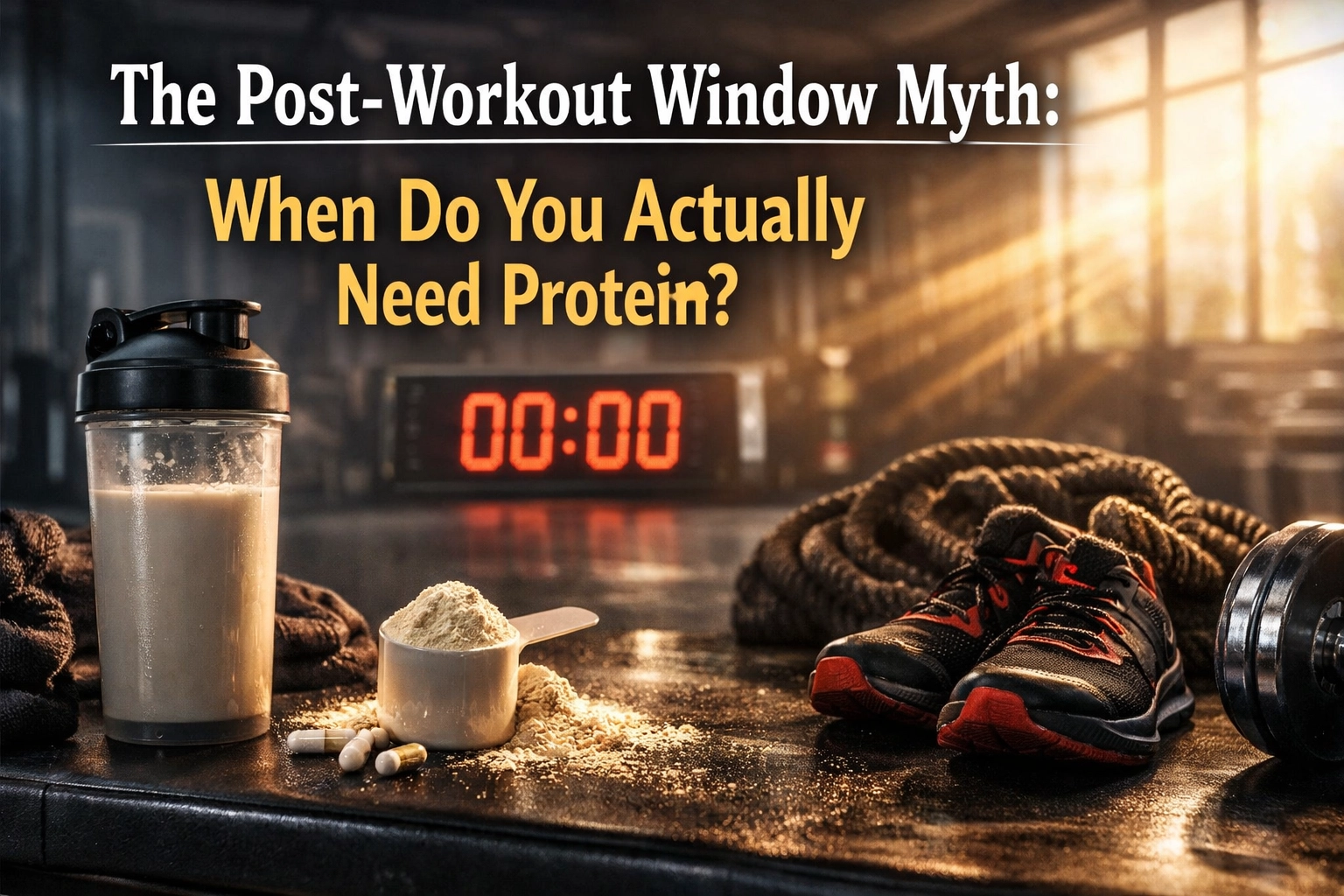
If you’ve spent more than five minutes in a commercial gym, you’ve seen it: the frantic dash to the locker room. Athletes, still dripping with sweat, fumbling with shaker bottles as if their muscles might evaporate if they don't consume whey protein within 30 minutes of their last set.
This is the "Anabolic Window": the long-held belief that there is a narrow, 30-to-60-minute timeframe post-exercise where the body is uniquely primed to absorb nutrients for muscle growth. For decades, this has been the "Golden Rule" of fitness.
But as we move into 2026, the science tells a much different, more nuanced story. The "window" isn't a tiny porthole; it’s a massive bay door that stays open far longer than we previously thought. If you’ve been stressing about your protein shake timing, it’s time to look at the data and simplify your life.
The Biology of Muscle Growth: MPS vs. MPB
To understand why the timing myth persists, we have to look at how muscles actually grow. It comes down to a constant cellular tug-of-war between two processes:
- Muscle Protein Synthesis (MPS): The process of building new muscle tissue.
- Muscle Protein Breakdown (MPB): The process of breaking down muscle tissue for energy or due to stress.
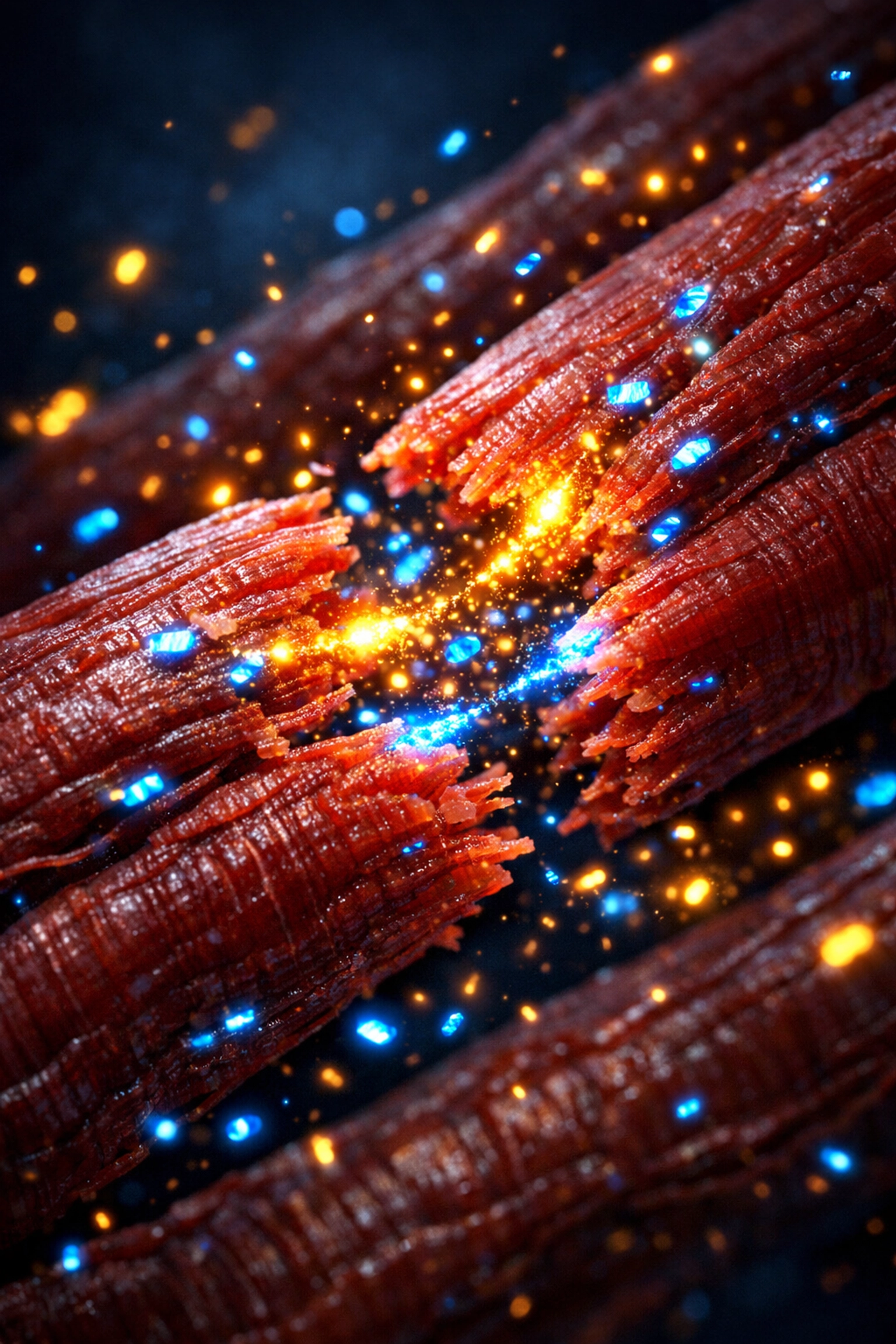
Hypertrophy (muscle growth) only happens when MPS exceeds MPB over a sustained period. Resistance training serves as the catalyst; it spikes MPS, but it also increases MPB. Without nutrient ingestion: specifically protein: the body remains in a "negative net protein balance."
The "Anabolic Window" theory suggested that because training sensitizes the muscle to nutrients, you had to flood the system immediately to flip the switch from breakdown to synthesis. While training does increase sensitivity, the duration of that sensitivity was vastly underestimated.
The 2026 Perspective: Why the "30-Minute Window" is a Myth
Recent meta-analyses and long-term longitudinal studies have effectively dismantled the urgency of the post-workout window. A landmark study by researchers Brad Schoenfeld and Alan Aragon found that when total daily protein intake is matched, the timing of that protein (immediately post-workout vs. several hours later) has no significant impact on muscle thickness or strength gains.
1. The Extended Sensitivity Period
Research now shows that the "anabolic window of opportunity" remains open for at least 24 to 48 hours after a strenuous resistance training session. Your muscles are essentially "hungry" for amino acids for two full days following a workout. While the peak of this sensitivity occurs in the first few hours, it doesn't drop off a cliff at the 31-minute mark.
2. The Pre-Workout Buffer
Most people don't train in a completely fasted state. If you ate a meal containing 30-40g of protein 1–2 hours before your workout, those amino acids are still circulating in your bloodstream while you train and long after you finish.
Digestion is a slow process. A complex meal can take 4–6 hours to fully process. Therefore, your "post-workout" protein is often already in your system before you even pick up a dumbbell.
When Timing Actually Matters (The Exceptions)
While the window is a myth for the average gym-goer, there are specific scenarios where timing becomes more critical.
Fasted Training
If you prefer training at 5:00 AM on an empty stomach, the post-workout meal becomes significantly more important. Since you haven't provided your body with amino acids pre-workout, and training increases muscle breakdown, you are in a deeply catabolic state. In this specific case, consuming protein as soon as possible (ideally within 60 minutes) is highly beneficial to halt breakdown and kickstart repair.
Two-A-Day Sessions
Elite athletes or "hybrid" athletes performing two high-intensity sessions in one day need to prioritize timing: not just for protein, but for glycogen (carbohydrate) replenishment. If you have only 6 hours between a heavy leg session and a track workout, immediate nutrient ingestion is vital for recovery speed.
The Elderly (Anabolic Resistance)
As we age, our bodies become less efficient at processing protein: a condition known as "anabolic resistance." For trainees over the age of 60, there is evidence that consuming protein in closer proximity to the workout can help overcome this resistance and better stimulate MPS.

Data-Driven Protein Requirements
The most important factor for muscle retention and growth isn't when you eat, but how much you eat in a 24-hour cycle.
| Goal | Protein Recommendation (Daily) | Key Focus |
|---|---|---|
| Fat Loss / Cutting | 1.0 – 1.2g per lb of bodyweight | High satiety & muscle preservation |
| Muscle Gain (Bulking) | 0.8 – 1.0g per lb of bodyweight | Surplus of energy + adequate repair |
| General Wellness | 0.6 – 0.8g per lb of bodyweight | Metabolic health & cellular repair |
| Elite Endurance | 0.7 – 0.9g per lb of bodyweight | Repairing oxidative stress & tissue |
Note: For individuals with high body fat percentages, these calculations should be based on "Goal Lean Mass" rather than total weight.
The "Leucine Threshold": The Secret to Effective Synthesis
If timing isn't the key, what is? The answer lies in Protein Quality and the Leucine Threshold.
Leucine is a branched-chain amino acid (BCAA) that acts as the primary "on switch" for the mTOR pathway, which signals the body to begin building muscle. To effectively trigger MPS, a meal needs to contain roughly 2.5 to 3 grams of Leucine.
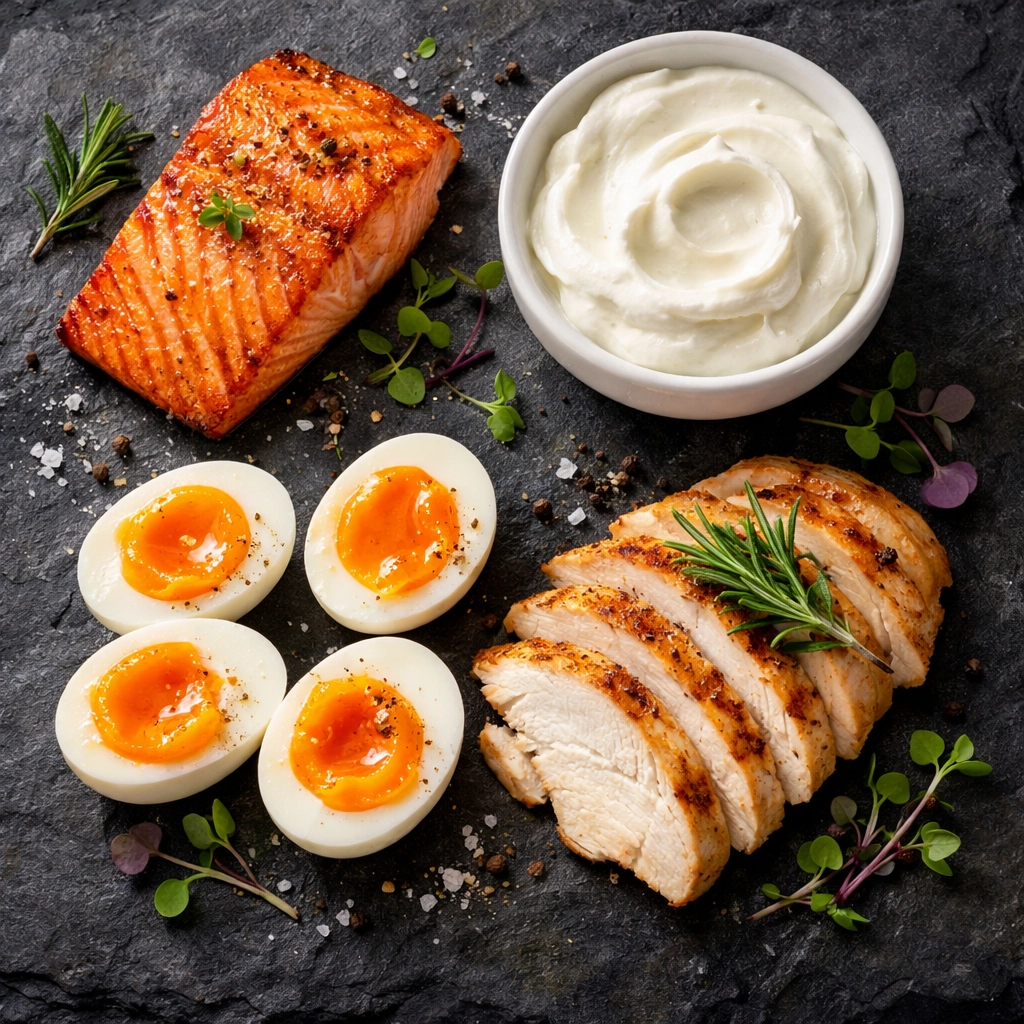
This usually equates to:
- 25-30g of Whey Protein
- 150g of Chicken Breast
- 4-5 Large Eggs
- 200g of Greek Yogurt
Instead of worrying about the clock, focus on hitting this "Leucine Threshold" 4 to 5 times per day. This creates "pulses" of protein synthesis that keep you in an anabolic state throughout the entire day.
Practical Implementation: Your 2026 Strategy
Forget the stress. Follow these three evidence-based steps to optimize your results without the "shaker bottle panic."
- Prioritize Total Protein: Hit your daily goal (roughly 1g per lb of lean mass). This is 90% of the battle.
- Meal Spacing over Timing: Aim for 3–5 protein-rich meals spread relatively evenly throughout the day. This ensures a steady stream of amino acids and keeps MPS elevated.
- The "Bookend" Approach: If you want to be optimal, ensure you have a protein-rich meal within 2 hours before your workout or within 2 hours after. This 4-hour "peri-workout" block is more than enough to maximize your gains.
Summary of the Evidence
| Myth | Science-Backed Reality (2026) |
|---|---|
| You must eat within 30 minutes. | The window is open for 24-48 hours. |
| Shakes are better than food post-workout. | Whole foods are equally effective for hypertrophy. |
| Protein is only for building muscle. | Post-workout protein also aids immune function and bone density. |
| More protein = More muscle. | There is a "ceiling" to how much MPS can be stimulated per meal (~40g). |
Final Thoughts
The "Post-Workout Window" was a convenient marketing tool for the supplement industry, creating a sense of urgency that didn't exist. While there is nothing wrong with having a shake immediately after your session: it’s a convenient way to hit your daily totals: it is certainly not a requirement for success.
Stop rushing your cool-down. Stop feeling guilty if you have to drive home before eating. In the grand scheme of your fitness journey, the consistency of your total daily intake and the intensity of your training will always outweigh the timing of your shaker bottle.
Author Bio: Malibongwe Gcwabaza
CEO of blog and youtube
Malibongwe Gcwabaza is the CEO of "blog and youtube," a leading digital hub dedicated to cutting-edge health, fitness, and longevity research. With a background in executive leadership and a passion for data-driven wellness, Malibongwe focuses on deconstructing complex fitness "bro-science" into actionable, evidence-based strategies for high-performers. When he isn't overseeing content strategy, he is an avid practitioner of hybrid athlete training, blending heavy strength work with endurance performance. His mission is to empower individuals to optimize their healthspan through clarity, simplicity, and scientific rigor.
About the Author